
Ruto Rolls Out Second Phase Of NYOTA Project With Sh3 Billion For 122,000 Youth Beneficiaries
News Updated: 10 July 2026 14:39 EAT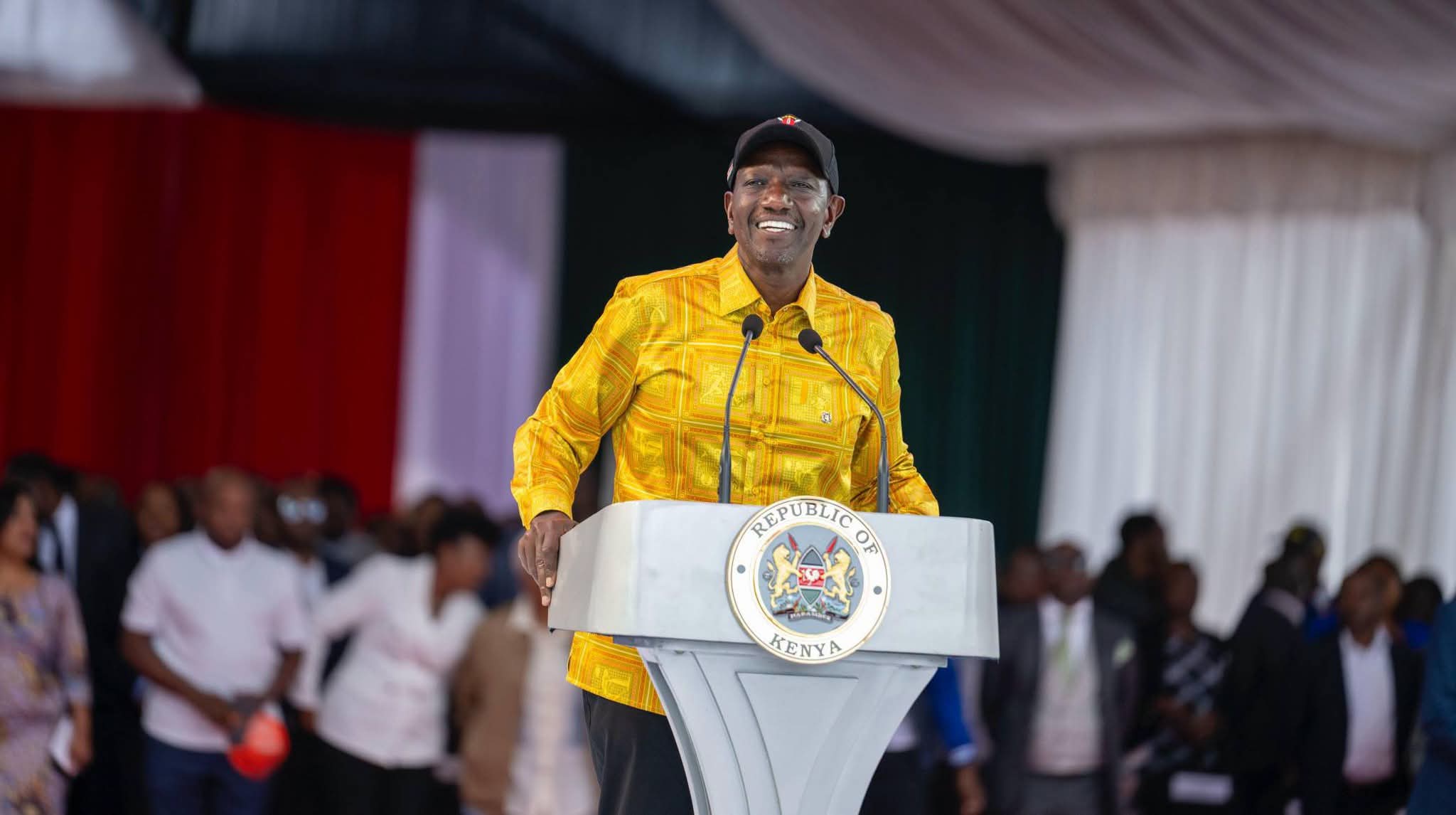
Photo Courtesy: President William Samoei Ruto interacts with the beneficiaries of NYOTA Tranche II at Ulinzi Sports Complex in Langata, Nairobi County.
President William Ruto has launched the second phase of the National Youth Opportunities Towards Advancement (NYOTA) programme, announcing the disbursement of more than Sh3 billion to support 122,000 young entrepreneurs across the country.
Speaking during the rollout event, Ruto said 88,934 youth who successfully invested their initial business support would receive a second tranche of Sh25,000, while 33,269 new beneficiaries would receive their first allocation under the programme.
The President said the latest funding brings the total support for successful beneficiaries to Sh50,000 each, describing the initiative as one of the largest coordinated government investments targeting young entrepreneurs.
Ruto said the programme was built on the belief that small beginnings can lead to major economic transformation, noting that thousands of young Kenyans had already demonstrated the impact of business support funds.
“Never despise small beginnings,” Ruto said, adding that the experiences of NYOTA beneficiaries had shown that opportunity combined with determination could create sustainable enterprises.
The President cited examples of beneficiaries who had expanded their businesses after receiving the initial Sh25,000 support. He highlighted Eric Ngugi from Tana River County, a young entrepreneur living with a disability who ventured into manufacturing affordable flush doors.
According to Ruto, Ngugi used the funds together with his savings to acquire equipment, producing 40 doors, receiving orders for another 27 and making Sh32,000 in profit while creating employment opportunities.
Ruto also highlighted Frida Karimi from Chuka, who used NYOTA support to repair her sewing machine, expand her tailoring business and increase her monthly profits to about Sh35,000.
In Kakamega County, the President said Sonya Amis expanded her kienyeji chicken enterprise by increasing her layers from 200 to 400, adding 300 chicks and creating three jobs through the support received.
He said other beneficiaries across the country had recorded progress, including livestock trader Ibrahim Wako from Isiolo, Eunice Katunge from Kitui who expanded her kiosk into a stocked shop, and Joseph Kerongo Nyagaka from Kisii who grew his mobile phone repair business.
Ruto said the stories from different counties demonstrated that young Kenyans were not seeking handouts but opportunities to build businesses and improve their livelihoods.
“Vijana wa Nyota hawatafuti handout, wanatafuta opportunity,” Ruto said, praising beneficiaries for proving that even small financial support could transform businesses when combined with commitment and hard work.
The President announced that the government would introduce measures to reduce barriers facing small businesses, including directing the Intergovernmental Budget and Economic Council to develop a two-year business permit waiver for NYOTA beneficiaries.
He also directed the Ministry of Cooperatives and MSME Development to establish a national NYOTA identification mechanism to enable beneficiaries to easily access government services, incentives and business opportunities.
Ruto further instructed government financing institutions, including the Youth Enterprise Development Fund, Women Enterprise Fund, Uwezo Fund and Kenya Industrial Estates, to create dedicated products that would allow NYOTA beneficiaries to access additional financing as their businesses grow.
Beyond business funding, the President announced additional support through technical and vocational training programmes, saying 90,000 youth would receive opportunities for on-the-job training and apprenticeship programmes.
He added that another 20,000 young Kenyans with existing skills but without formal certification would receive support to undertake examinations and obtain recognised certificates to improve their employment opportunities.
Ruto said the government was also pursuing wider economic programmes aimed at creating jobs through infrastructure projects, including housing, markets, digital jobs, energy projects and the planned East African crude oil refinery in Lamu.
The President said the establishment of the National Infrastructure Fund, which he stated had Sh350 billion, would support investments in transport, energy, water harvesting and irrigation projects.
He also linked the NYOTA programme with the government’s long-term economic vision, saying investments in youth enterprise, infrastructure and skills development would help transform unemployment challenges into opportunities.
Ruto concluded by urging young Kenyans to believe in their abilities and use available opportunities to build enterprises, saying the government would continue creating platforms for youth empowerment and economic growth.
Tags: Article Edit Editor's Pick Editors choice News Article NYOTA Signs Signs Media Signs Media Kenya Limited Signs Tv Signsmedia Signst Signstv SignsTV Signstvkenya Signsv Ssignstv William Ole Ntimama William Ruto William Samoei Ruto Bottom-Up Economic Transformation Agenda Bottom-Up Model News Anchor President William Ruto Tutam Two Term Williiam Ruto
Share this article

FELIX MAKONA
FACT FINDER AND DATA DRIVEN JOURNALIST. DATA MINING AT IT'S BEST. GET FACTS RANGING FROM MATTERS DISABILITY AND INCLUSION, POLITICS, ECONOMY, SPORTS AND GENERAL NEWS AROUND THE WORLD