

Israel, U.S. Strike Iran as Explosions Shake Tehran
News Updated: 28 February 2026 13:59 EAT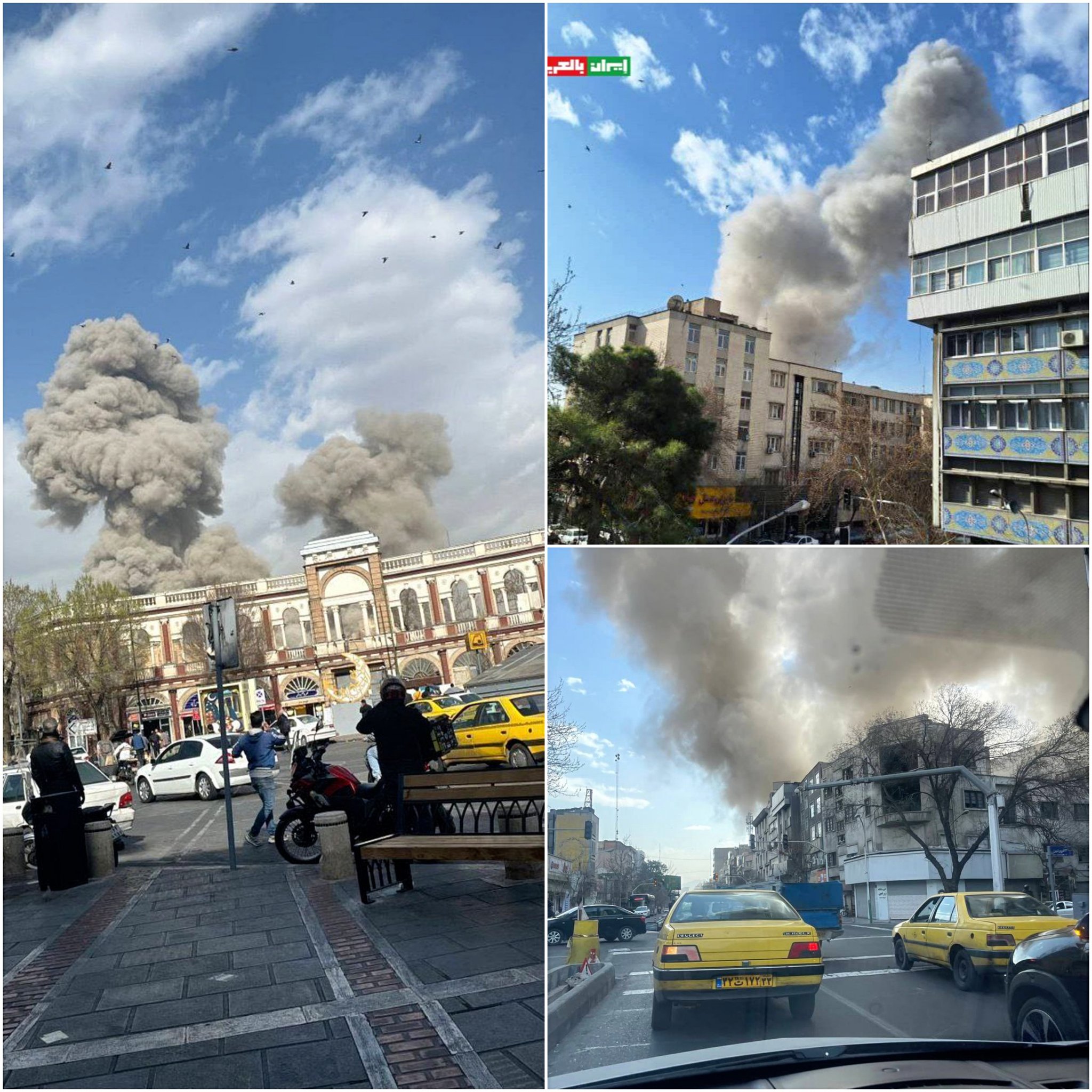
Iran has launched retaliatory drones and missiles at Israel as well as US bases in Qatar, Bahrain, Kuwait and the UAE following the deadly strike on the country on Saturday.
Israel and the United States launched coordinated military strikes on Iran early Saturday, hitting multiple locations including the capital, Tehran, in a dramatic escalation of tensions surrounding Tehran’s nuclear programme.
Israeli officials described the operation as a pre-emptive move aimed at neutralising what they termed imminent security threats linked to Iran’s nuclear and missile infrastructure. Washington confirmed it had joined the operation, calling it part of broader combat actions targeting Iranian military capabilities.
Explosions were reported across central Tehran, with plumes of smoke seen rising near key government and security installations. Residents described loud blasts shaking several districts as emergency services rushed to affected areas.
Iranian authorities moved swiftly to secure sensitive sites and relocate senior officials to undisclosed locations. National airspace was closed and communications disrupted in parts of the capital as security forces assessed the damage.
Israel also shut its airspace and placed its defence systems on high alert amid expectations of retaliation. Civil defence alerts were activated across major cities, and residents were advised to remain near shelters.
U.S. President Donald Trump said American forces were participating directly in the strikes, arguing that the action was intended to prevent further advancement of Iran’s nuclear and ballistic missile programmes.
Iran condemned the assault, describing it as an act of aggression and warning of a decisive response. Military units were reportedly mobilised, with officials signalling readiness to retaliate against Israeli and U.S. interests in the region.
The strikes come after months of strained diplomacy aimed at resolving disputes over Iran’s nuclear activities. Negotiations had stalled amid disagreements over enrichment limits, inspections, and missile development, leaving prospects for a negotiated settlement increasingly uncertain.
Regional governments reacted quickly, with some countries closing airspace and issuing travel advisories as fears mounted of a wider confrontation that could destabilise the Middle East.
Energy markets showed signs of volatility as concerns grew over potential disruptions to critical shipping routes, including the Strait of Hormuz, a vital artery for global oil supplies.
International leaders urged restraint and called for an immediate de-escalation to prevent further civilian harm and broader conflict.
As of Saturday evening, no independently verified casualty figures had been released. The full extent of the damage remained unclear, while both sides signalled readiness for further action.
The joint offensive marks one of the most significant direct confrontations between Israel, the United States and Iran in recent years, sharply undermining hopes for a diplomatic resolution to the long-running nuclear dispute and raising fears of a protracted regional crisis.
Tags: Editor's Pick Iran Iran Nuclear Deal Signs Media Kenya Limited Signsmedia Signstvkenya

Share this article

FELIX MAKONA
FACT FINDER AND DATA DRIVEN JOURNALIST. DATA MINING AT IT'S BEST. GET FACTS RANGING FROM MATTERS DISABILITY AND INCLUSION, POLITICS, ECONOMY, SPORTS AND GENERAL NEWS AROUND THE WORLD