

Governments Urged to Support PWD Caregivers and Adopt Rights-Based Disability Care
News Updated: 15 December 2025 23:02 EAT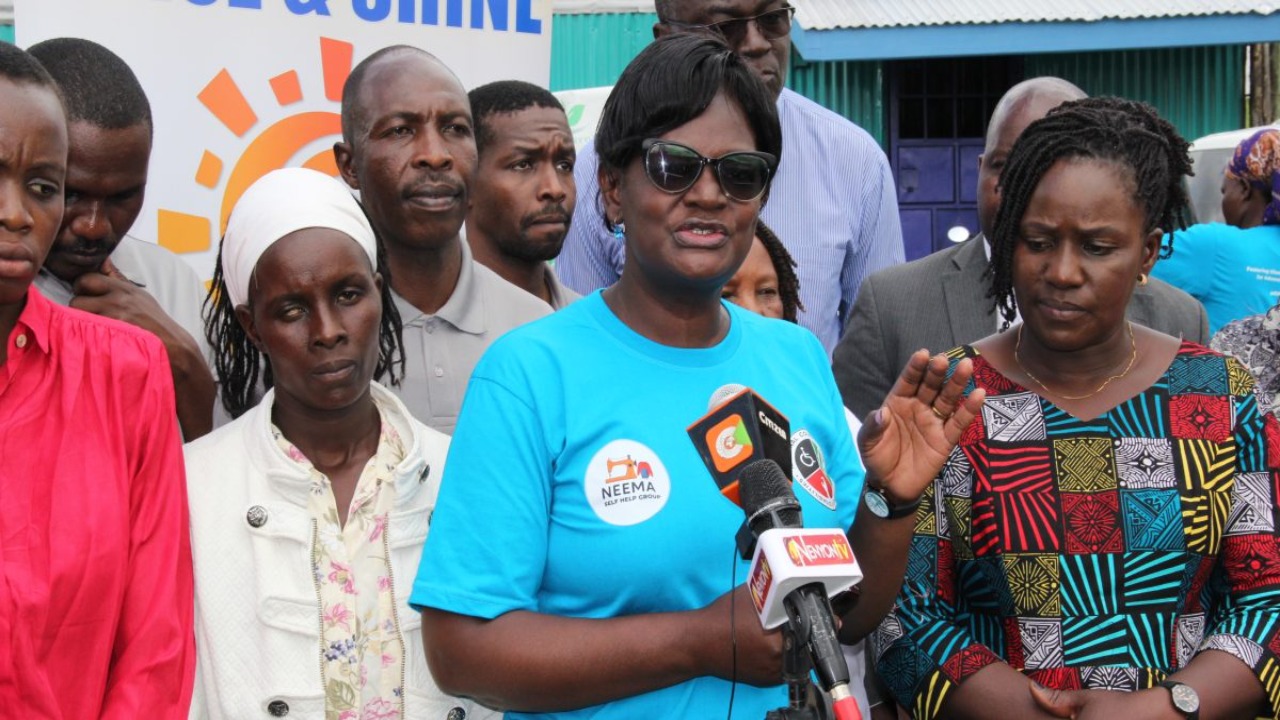
PHOTO COURTESY
Health professionals, faith leaders, and community organizations have issued a strong plea for a coordinated, medically-led, and rights-based approach to disability management, warning that persistent stigma, delayed intervention, and inadequate caregiver support are actively undermining the well-being of Persons with Disabilities (PWDs).
The call was the highlight of PWDs Day celebrations and an early Christmas event held at the Reformed Baptist Church along the Brooke–Kericho Road. The forum provided psychosocial support, medical sensitization, and community engagement for children with disabilities and their caregivers, with children enjoying recreational activities as part of holistic care.
Ministry of Health physiotherapist, Dr. Milka Wachuma, emphasized that disability must be treated as a public health issue requiring early diagnosis, professional assessment, and continuous rehabilitation, moving away from ad-hoc charitable responses. Dr. Wachuma noted that stigma remains high, causing many families to conceal their children rather than seeking medical help. She stressed that registration of PWDs is vital, as it allows the Ministry of Health to "plan, prioritize and respond, based on medical evidence," ensuring each person receives care specific to their condition, including medication, rehabilitation, and assistive equipment.
Dr. Wachuma strongly cautioned well-wishers against distributing assistive devices without professional medical input, warning that ill-fitting equipment can cause postural deformities, pressure sores, and increased dependency. She affirmed that correct, prescribed equipment improves mobility and enables PWDs to participate in education and the economy. Furthermore, she advocated for prevention, noting that many disabilities can be avoided through skilled birth attendance and full childhood immunization.
Caregivers shared the profound emotional, physical, and financial strains they face, often operating with minimal support. Rahab Karemi, a caregiver, explained that the responsibility is full-time, encompassing the high cost of medication, specialized diets, transport, and constant supervision.
Karemi also highlighted the psychological toll of social stigma and isolation, as some community members still link disability to shame or superstition. This isolation affects the mental health of caregivers and the emotional development of PWDs. Karemi urged families to register PWDs to access support and called upon schools to adopt inclusive education policies.
Tags: Editor's Pick Matters Disability Pwds



Share this article

Edith stacy
I specialize in developing compelling stories and leading teams to produce high-quality, impactful journalism.