

Court Declares Ruto’s Advisors Unlawful
News Updated: 22 January 2026 17:31 EAT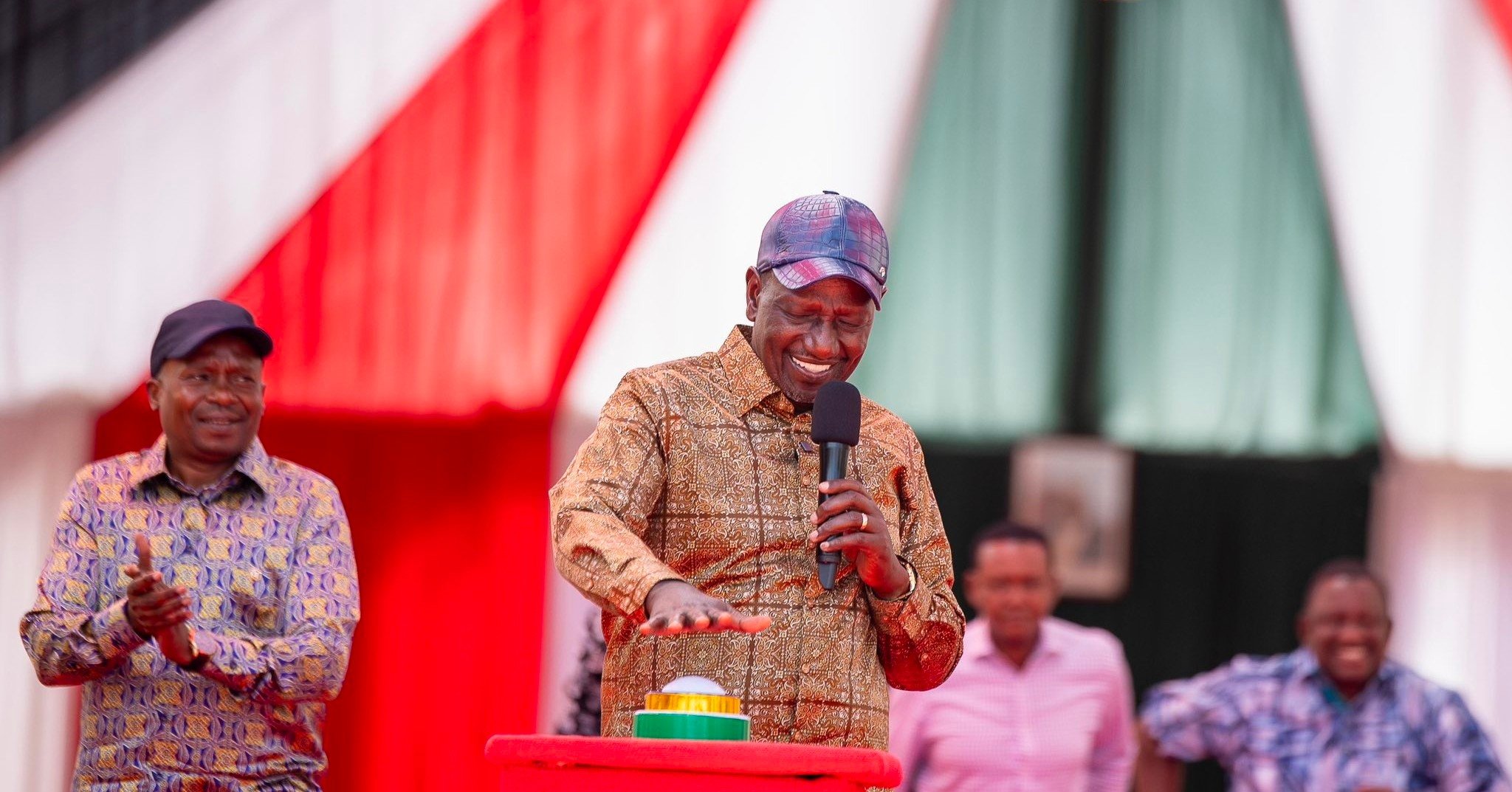
He president William Samoei Ruto
The High Court has ruled that President William Ruto violated the Constitution by appointing 21 presidential advisers to offices created outside the government structure. Justice Bahati Mwamuye declared the appointments null and void and ordered immediate action to halt their remuneration.
The judgment was delivered following a petition filed by governance watchdog Katiba Institute, which argued that the advisory positions bypassed the constitutional oversight of the Public Service Commission (PSC) and the Salaries and Remuneration Commission (SRC). The petitioners contended that the appointments led to unlawful expansion of the executive and potential waste of public funds.
Justice Mwamuye emphasised that the President cannot create or fill public offices without following constitutional procedures. “The process used to appoint these advisers failed to comply with the Constitution and relevant statutes,” the judge noted, highlighting the role of the PSC in vetting and approving public service appointments.
The court ordered the Public Service Commission to halt all payments — including salaries, allowances, and other benefits — to the 21 advisers with immediate effect. This injunction effectively freezes any compensation for the appointees until further notice.
In addition, the court directed the PSC to audit all offices established under the Executive Office of the President since August 2022. The audit will determine which offices were created in violation of constitutional or statutory provisions.
The PSC is also required to abolish offices found to have been unlawfully created and report the progress to the High Court within 120 days. This measure aims to ensure compliance with constitutional and public service regulations.
Several of the advisers affected by the ruling, including economist David Ndii, responded by stating they could continue offering advice informally, despite the legal setback. Critics of the appointments argue that the court’s decision reinforces checks and balances in the Kenyan executive system.
Analysts say the ruling sends a strong message about the limits of presidential power and the need to respect institutional oversight. “The Constitution provides clear procedures for creating and filling public offices, and this judgment reinforces accountability,” said a governance expert.
The Katiba Institute hailed the decision as a victory for constitutionalism, urging the government to comply fully with the court’s directives. “This ruling safeguards public resources and reinforces the rule of law,” said Executive Director Nora Mbagathi.
The government has yet to issue an official response to the ruling. Observers say the decision could have wide-ranging implications for the structure of the Executive Office and other advisory positions created outside the formal government framework.
Tags: Signstv Signstvkenya Editor's Pick High Court President William Ruto William Samoei Ruto Government Of Kenya
Share this article

FELIX MAKONA
FACT FINDER AND DATA DRIVEN JOURNALIST. DATA MINING AT IT'S BEST. GET FACTS RANGING FROM MATTERS DISABILITY AND INCLUSION, POLITICS, ECONOMY, SPORTS AND GENERAL NEWS AROUND THE WORLD