

Wheelchair And Workouts: Rio Ferdinand Shares Struggle With Post-Football Injuries
Sports Updated: 22 February 2026 20:26 EAT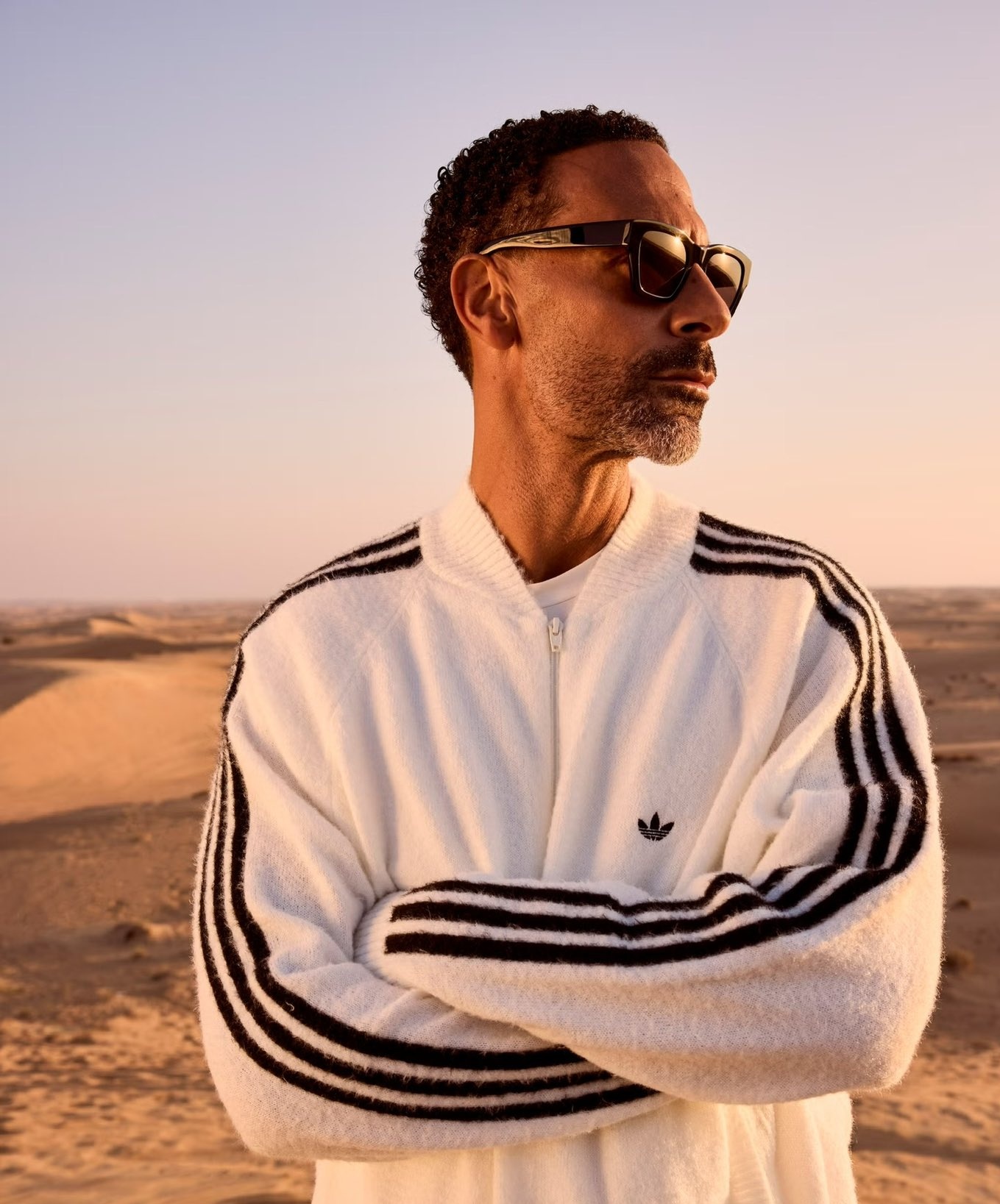
Former Manchester United star Rio Ferdinand
Rio Ferdinand’s life after professional football hasn’t been just punditry and podcasts — it’s also been marked by a very personal struggle with his physical health that he has only recently spoken about candidly. The former English defender, who won six Premier League titles and a Champions League during a celebrated 20‑year career, revealed that the toll of elite sport has followed him into retirement.
Ferdinand explained that he has lived with chronic back problems for many years, a legacy of the intense demands and repeated treatments he endured while playing. Reflecting on that period, he said, “I’ve had a bad back for a long time… I was on tablets and injections for six years to play games. That’s affected me.”
These injuries haven’t just been an inconvenience — they can become so severe that they completely incapacitate him. He described how, during sudden flare‑ups, he sometimes cannot walk properly and needs urgent care: “I get some bad moments of back pain where I have to be in a hospital for a couple of days or in a wheelchair for a couple of days… It’s mad, but it just comes out of nowhere.”
Crucially, Ferdinand made clear that this use of a wheelchair isn’t permanent — it’s a temporary necessity during acute pain episodes, not a lifelong disability. The wheelchair is a tool to cope with moments when movement becomes extremely difficult, not a constant fixture of his daily life.
Since retiring in 2015, he’s shifted his approach to managing his body, admitting that for the first time he’s worked regularly with a physiotherapist and personal trainer to better look after his physical condition. In his words, this represents a move from reacting to injury toward trying to prevent it: “There’s a holistic approach to what I’m doing now and hopefully that’s going to put me in good stead. Rather than fixing when it’s broken, you actually prevent [injuries].”
Ferdinand now lives in Dubai with his family, where this proactive health regime is part of everyday life. He’s been open about how understanding his body better now — at age 47 — feels different from his playing days, when the priority was often just to get back on the pitch.
Despite these ongoing challenges, he continues to stay active — partly because he wants to set an example of work ethic and healthy living for his children. As he put it, his commitment isn’t just about physical fitness but also about mental well‑being and routine: he feels a need to work and be active, both for himself and those around him.
Ferdinand’s honesty about his struggles has resonated because it shows how even world‑class athletes can face significant physical consequences long after their careers end, reminding fans that behind the fame are bodies shaped by years of acute physical stress.
Tags: Article Editor's Pick English Premier League Epl Manchester United Signs Media Kenya Limited Signsmedia Signstv Signstvkenya Sports Journalism

Share this article

FELIX MAKONA
FACT FINDER AND DATA DRIVEN JOURNALIST. DATA MINING AT IT'S BEST. GET FACTS RANGING FROM MATTERS DISABILITY AND INCLUSION, POLITICS, ECONOMY, SPORTS AND GENERAL NEWS AROUND THE WORLD