

Qatar Suspends LNG Production As Iran Strikes Gulf Energy Infrastructure; Prices Jump And Regional Tensions Escalate
News Updated: 03 March 2026 10:20 EAT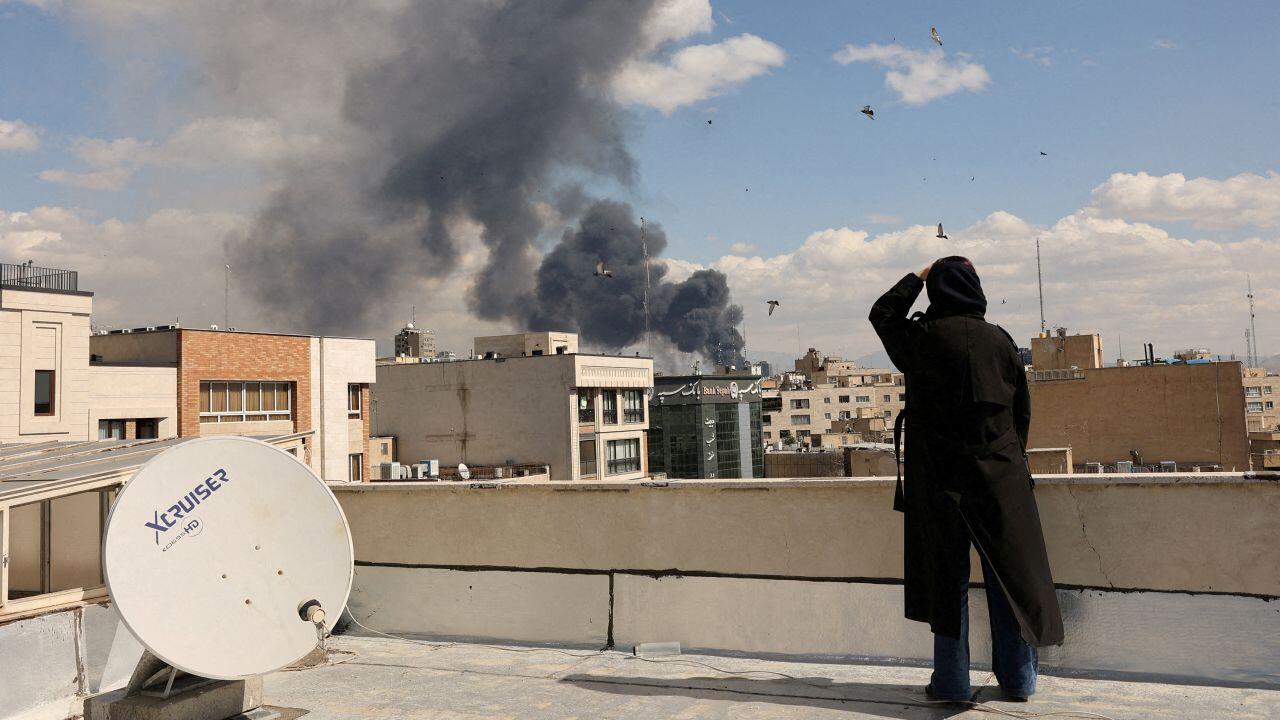
Some of the bombed sites in Qatar
Qatar has suspended liquefied natural gas (LNG) production after Iranian drone strikes hit key energy facilities in the Gulf region, disrupting global energy markets and triggering strong reactions from Middle Eastern governments.
State-owned QatarEnergy halted LNG output at its Ras Laffan Industrial City and Mesaieed facilities following the attacks, citing security concerns and ongoing damage assessments. The affected sites rank among the most critical LNG processing hubs worldwide.
The shutdown impacts roughly 20 percent of globally traded LNG supply. Qatar is the world’s second-largest LNG exporter after the United States, and its cargoes are central to energy security in both Europe and Asia.
Energy markets reacted immediately. European natural gas futures surged by more than 45 percent in early trading as traders priced in a sudden and significant reduction in supply.
Analysts warned that most Qatari LNG exports pass through the Strait of Hormuz, a strategic chokepoint vulnerable to escalating hostilities. Any prolonged disruption to tanker traffic could further tighten global gas availability.
Oil markets also climbed on fears that regional instability would constrain crude flows. Brent futures rose sharply as investors assessed the potential for broader supply interruptions across the Gulf.
Iran’s wider military campaign has reportedly affected additional energy infrastructure in the region, prompting precautionary shutdowns and heightened security at major oil and gas installations.
In Saudi Arabia, operations at the Ras Tanura refinery were halted following a reported drone strike, amplifying concerns about coordinated attacks on energy assets.
Governments within the Gulf Cooperation Council condemned the strikes and signaled that continued targeting of civilian energy infrastructure could prompt collective security measures.
Major LNG-importing nations are now evaluating contingency plans. Some Asian buyers indicated that existing stockpiles may cushion immediate supply shocks, but prolonged outages would strain reserves.
Industry analysts emphasized that global spare LNG capacity remains limited, meaning even short-term production losses in Qatar could produce sustained volatility and upward price pressure.
As tensions deepen, policymakers and energy companies worldwide are bracing for further market instability, with the duration of Qatar’s production halt likely to determine the scale of the global energy impact.
Tags: Article Editor's Pick Signs Signs Media Kenya Limited Signsmedia Signstvkenya



Share this article

FELIX MAKONA
FACT FINDER AND DATA DRIVEN JOURNALIST. DATA MINING AT IT'S BEST. GET FACTS RANGING FROM MATTERS DISABILITY AND INCLUSION, POLITICS, ECONOMY, SPORTS AND GENERAL NEWS AROUND THE WORLD