

Ndindi Nyoro Pushes Parliament To Intervene On Rising Fuel Prices
News Updated: 29 May 2026 18:51 EAT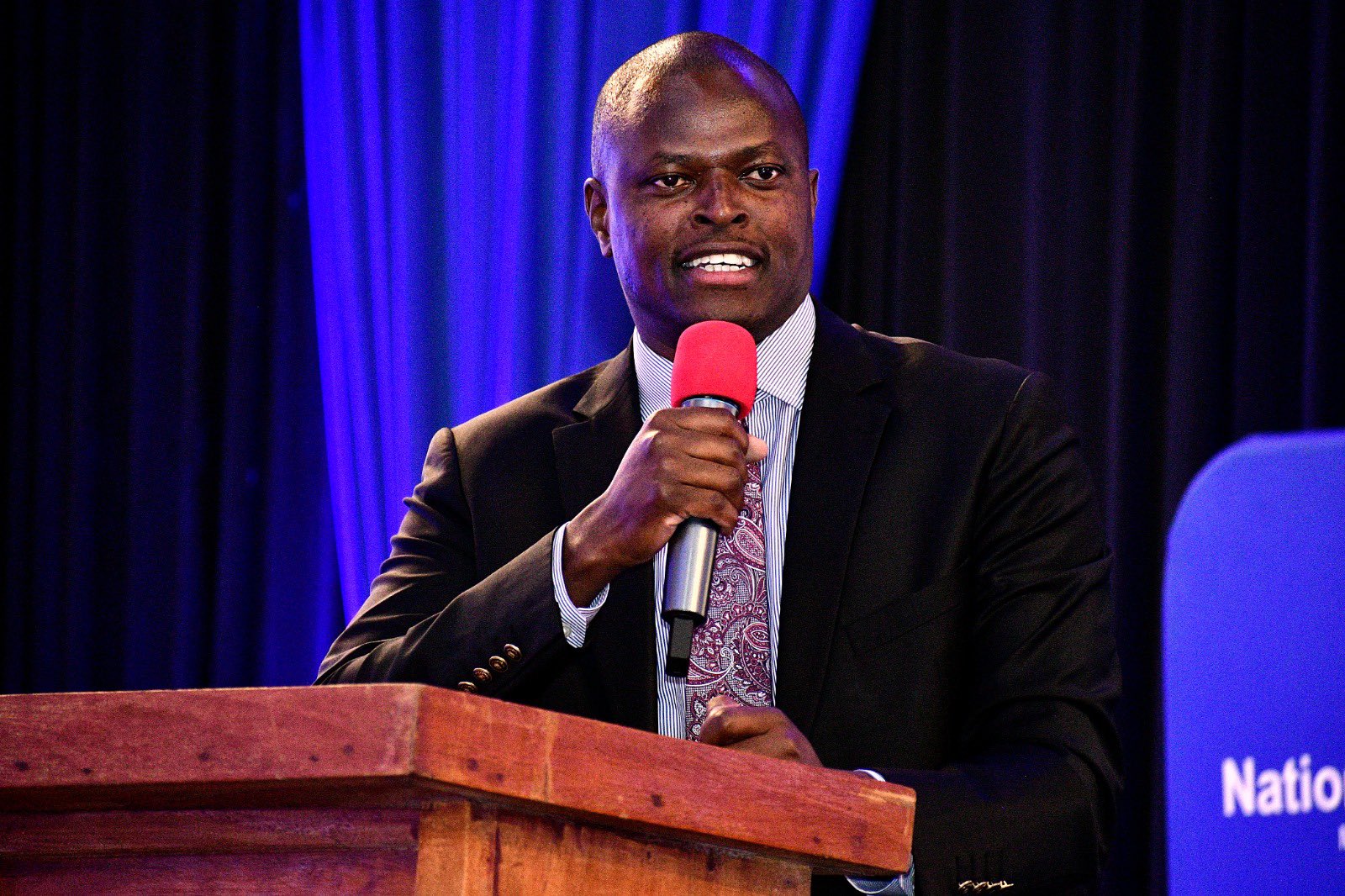
Kiharu MP Hon. Ndindi Nyoro, an economist, entrepreneur, and one of Kenya’s leading voices on economic and fiscal policy, at the 4th BD Investor Education Conference 2026.
Kiharu MP Ndindi Nyoro today mounted an aggressive defense of his proposals to lower fuel prices, warning Parliament that failure to intervene would expose Kenyans to worsening inflation, higher transport costs and sustained economic pressure across the country.
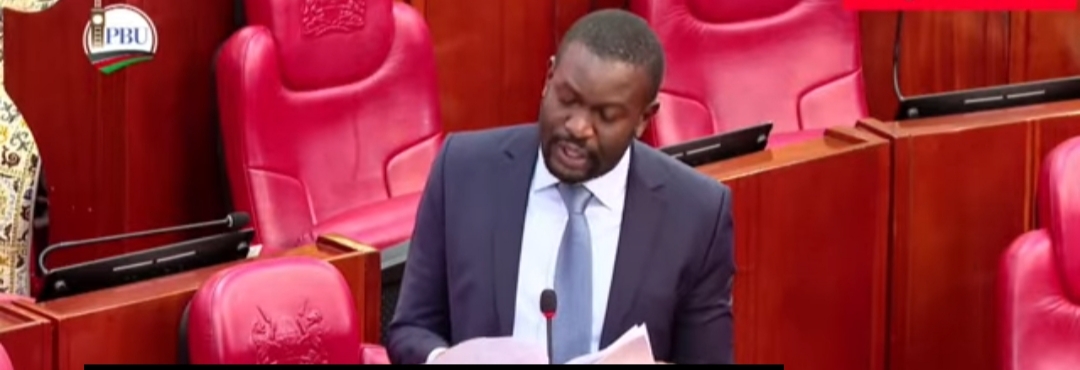
Appearing before the National Assembly committee handling taxation and finance matters, Nyoro argued that the current spike in global oil prices was temporary and should not force Kenya into making long-term economic decisions that would continue hurting citizens even after global markets stabilize.
“Chairman, I wrote to parliament around mid of this month and precisely it was about the issue of the fuel prices. I thought after what happened in terms of EPRA Gazette that us as members of parliament there is something we could have done or we could do and therefore I wrote to the speaker and I wrote to the clerk. By that time I was writing to the speaker to recall us from recess but that has been overtaken by events because we are now in session. I also wrote to the clerk with specific clauses which I was looking forward into aiding in way of lowering the fuel prices.”
Nyoro said the parliamentary bureaucracy advised him to channel the proposals through the ongoing Finance Bill and taxation review process instead of pursuing a private member’s bill, arguing that the route would be faster and more effective in responding to the fuel crisis.
The MP maintained that Kenya had sufficient room within its tax and levy structure to significantly reduce pump prices, saying taxes and levies now form a major portion of fuel costs compared to actual landing prices.
“The current oil prices as they are in Kenya, super for example, levies and taxes account for a lot. The people that deal with in the oil business supply chain, they have profit margin of around 17 shillings. The other small fees for transportation and others. So in a country like ours there we have a 74 shillings opportunity plus a 17 shillings opportunity to do something at the pump price. Therefore I want to dissuade all of us when we say an oil producing country is a price taker. I agree in terms of landing cost but there is a lot we can do in terms of our taxes and levies which account for a lot.”
Nyoro warned lawmakers that inflation figures were likely to surge beyond 7.5 percent if no intervention measures were introduced, arguing that fuel prices were already triggering sharp increases in public transport fares and commodity prices nationwide.
“If we let things flow the way they are flowing without any major intervention and without proposing any major interventions, clearly we'll be having inflation figures coming out over the weekend for this month and for sure they are likely to be over 7.5% year on year. If we look at other things that are responsive to oil prices increment namely for example fares, I was with one Kenyan yesterday and they were telling me that previously the fares they used to pay from where they live to the place of work is 80 shillings. But out of what is happening in terms of pricing that has increased now to around 120 shillings.”
The Kiharu legislator proposed a four-point intervention plan targeting fuel marketers, taxation, levies and subsidies in a package he said could dramatically reduce the cost of petrol and diesel within six months.
According to Nyoro, the proposals include compelling oil importers and dealers to lower their profit margins by Sh4 per litre, temporarily removing VAT on fuel products, reducing the Road Maintenance Levy Fund charges and injecting additional subsidies through the Petroleum Development Levy stabilization fund.
“That is the basis of my proposal that to lower the fuel prices now temporarily, actually my workings are for the next six months, we do four things. One, we compel the government to lower the margins for the people involved in the oil business including importers by four shillings. Second is to invoke a change in the VAT of fuel products from the current 8% we tax exempt for the next six months and that will give Kenyans reprieve by around 17 shillings and 15 shillings for diesel and super petrol respectively.”
“The other thing is that we reduce the fuel levy what we usually call RMLF fuel road maintenance levy. There is a levy we introduced in the year 2024. We can do something about that by revoking it because the situation has changed. So that will save across the board around seven shillings. Lastly is that we go to the PDL and fuel stabilization fund and we fetch some 3.5 billion shillings and we give additional subsidies for diesel.”
Nyoro estimated the intervention package would cost the government roughly Sh48 billion through subsidies and tax adjustments but argued that stabilizing the economy and lowering inflation justified the temporary revenue sacrifice.
He also insisted that his proposals were not unprecedented, saying Kenya had previously operated under similar VAT and levy structures before the recent changes introduced in 2024 and 2025.
“As we check even in our VAT act, you realize that my proposal to a large extent some of the things I'm proposing are not outliers in history and comparisons. There is a time before 2024 we were at the level of RMLF that I'm proposing you go back to. Previously in our country we have been at the base I'm talking about in terms of VAT. So we can actually benchmark within ourselves as Kenya that we have been there before. What we are asking for is not an outlier even when we compare various situations in history.”
Nyoro further defended Parliament’s responsibility to intervene during economic shocks, saying lawmakers were elected specifically to amend laws whenever changing national conditions required urgent action.
“The reason why we are elected and we meet in perpetuity is because the economy also has intelligence just as the country does. Situations change and the more the reason we are elected as members of parliament is for a situation like this that when we realize there is a situation that needs us to change laws then we invoke that responsibility and that is what I'm tapping into.”
During the hearing, committee chairperson Kimani Kuria challenged parts of Nyoro’s proposals, particularly the reduction of the Road Maintenance Levy Fund and the proposal to exempt fuel from VAT.
Kuria warned that lowering the levy would reduce funds allocated to counties for road repairs and rural infrastructure projects, citing billions distributed annually through the RMLF program.
“This is the money that goes to repair our rural roads across the country. For the budget of 24/25 alone there was 3.68 billion shillings that went across the 47 different counties in the country to repair the roads so that the people are able to take their produce from the farm to the market. This money is one of the funds that are equitably distributed across the country. So which would mean essentially that if we reduce RMLF the truth is consequently we'll have to reduce the money that goes to repair our roads.”
Kuria also disputed Nyoro’s VAT proposal, arguing that exempting fuel products could actually increase prices because oil importers would no longer be able to claim input VAT and would transfer the extra costs to consumers.
“If the current VAT on fuel is 8%, so if we take VAT on fuel from 8% standard rate to exempt that will actually increase the price of oil. Why am I saying that? It means that importers or aggregators or whoever is involved in the fuel business will go and claim input VAT. But if we make fuel exempt that would mean they will not be able to claim their input VAT and that will mean that they'll have to transfer the cost of their input to the consumers.”
Nyoro immediately pushed back against the committee chairperson’s interpretation, insisting that moving from a taxable regime to exempt status would still lower prices and accusing critics of presenting only partial information regarding road funding.
“The current VAT regime in terms of fuel pricing is that they are vatable. We move from vatable to exempt to zero. Anything vatable is definitely more expensive than exempt and anything exempt is definitely more expensive than zero. Chair, through this committee we processed a reduction of tax from 16% to 8% last month. Does it mean that this committee actually wanted the fuel prices to increase?”
He also argued that reducing the Road Maintenance Levy would not necessarily cripple infrastructure financing because government-funded allocations could be rearranged to compensate for any reductions.
“My proposal is not taking money away from the roads. It is actually rearranging. I already have on the expenditure side proposed cuts over 100 billion shillings with some of them moving from the stream of road maintenance into GK funded still adding up into roads. Remember, I’m not scrapping RMLF. I’m only reducing by seven shillings going to what was there in the year 2024.”
Nyoro concluded by appealing to MPs to support the proposals, saying Kenyans across the country had directly urged him to push Parliament into action as fuel prices continue straining households and businesses.
“I commend Kenyans for the many proposals they sent me on WhatsApp and messages and I request my colleagues to also join that clarion call by Kenyans that we do something about lowering the fuel prices. If we do that and we pass it in parliament the following day super petrol prices will be 187 shillings in Kenya and diesel will be around 189 shillings.”
Tags: Edit Editor's Pick Editors choice Ndindi Nyoro Signs Signs Media Signs Media Kenya Limited Signs Tv Signsmedia Signstv Signstvkenya Article Member Of Parliament News Article Signst Signsv


Share this article

FELIX MAKONA
FACT FINDER AND DATA DRIVEN JOURNALIST. DATA MINING AT IT'S BEST. GET FACTS RANGING FROM MATTERS DISABILITY AND INCLUSION, POLITICS, ECONOMY, SPORTS AND GENERAL NEWS AROUND THE WORLD