
National Prayer Breakfast Cost Taxpayers Sh26.3 Million, Parliament Says
News Updated: 24 July 2026 20:48 EAT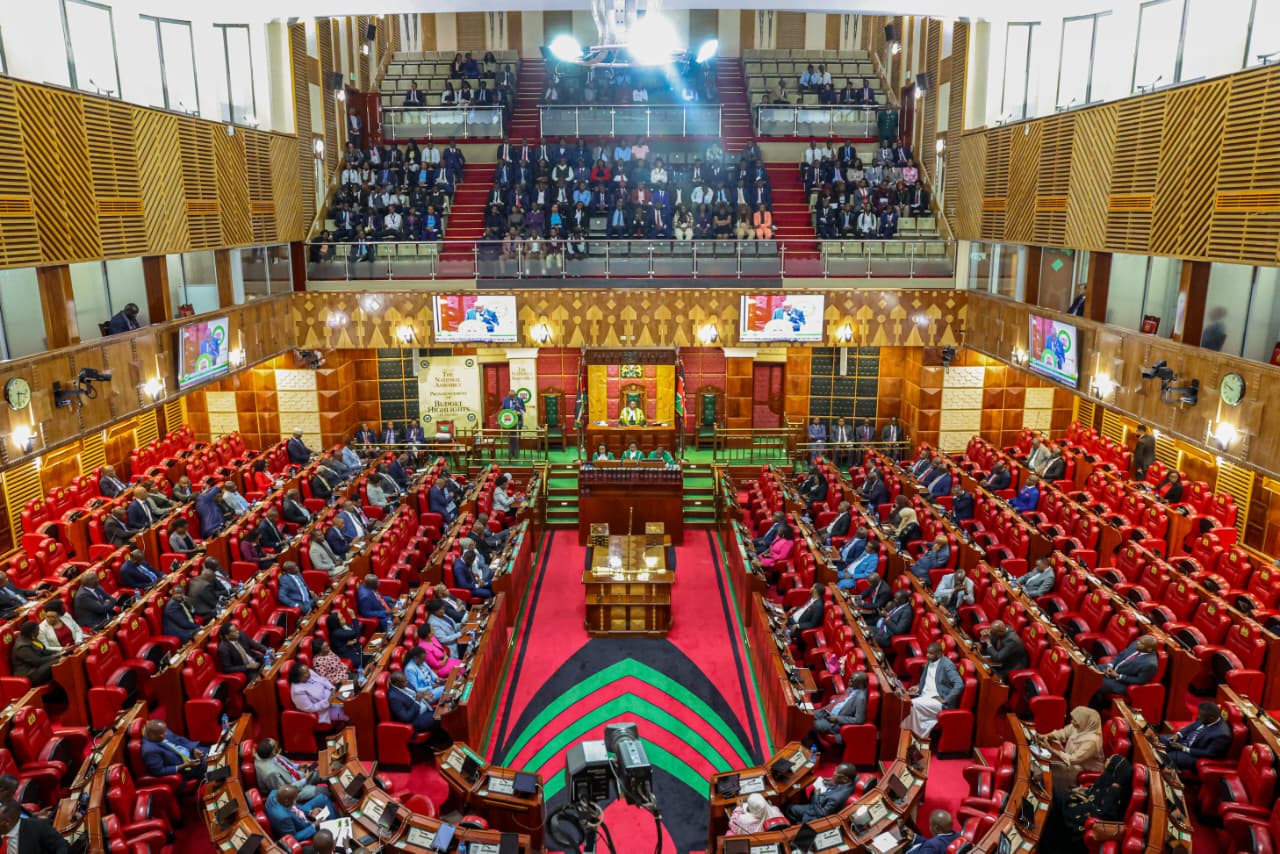
Photo courtesy
The 2025 National Prayer Breakfast cost taxpayers KSh26.3 million, with the Parliamentary Service Commission (PSC) meeting part of the bill through its approved budget, National Assembly Clerk Samuel Nyegenye has disclosed. The revelation follows a court-ordered release of information on the financing of the annual event after a prolonged legal battle over access to public records.
According to Nyegenye, the event was partly funded using the Parliamentary Service Commission's budget, which had been approved by Parliament as part of the institution's annual expenditure. The National Prayer Breakfast is organized each year by Parliament and brings together leaders from across government, religious organizations, the diplomatic corps and other sectors.
The disclosure stems from a petition filed by Lempaa Suyianka, who sought details on the event's funding, planning and expenditure under Article 35 of the Constitution and the Access to Information Act. He argued that Parliament had failed to provide clear information despite repeated requests.
In its initial response, Parliament referred the petitioner to budget estimates and reports from the Auditor-General, maintaining that the information was publicly available. However, Suyianka argued that the documents did not specifically disclose how much had been spent on the National Prayer Breakfast.
The High Court later found that Parliament's response did not satisfy the constitutional right to access information. Justice Gregory Mutai ruled that public institutions are required to provide information in a clear and understandable manner rather than directing citizens to broad financial documents.
The court ordered the National Assembly, the Senate and the Parliamentary Service Commission to furnish the requested records within 30 days. It held that access to information is a constitutional right that enables citizens to hold public institutions accountable for the use of public resources.
During the proceedings, Nyegenye confirmed that the 2025 National Prayer Breakfast cost KSh26.3 million and that part of the expenditure was met through the Parliamentary Service Commission's approved budget. The disclosure provided the first official breakdown confirming the cost of the event.
The Parliamentary Service Commission maintained that the National Prayer Breakfast is an official parliamentary function held annually as part of its institutional activities. It argued that the expenditure was lawful because it fell within Parliament's approved budget.
The High Court declined to declare the expenditure unconstitutional, noting that the petition had not directly challenged the legality of funding the National Prayer Breakfast using public money. Instead, the case focused on whether Parliament had fulfilled its obligation to provide information requested by the public.
Justice Mutai observed that the constitutional duty to disclose information cannot be discharged by referring citizens to complex financial reports that require expert interpretation. He emphasized that public institutions must provide direct and accessible responses when information is requested.
The annual National Prayer Breakfast is one of Kenya's longest-running state events, bringing together the President, Members of Parliament, judges, diplomats, religious leaders and invited guests for prayers and reflection on national leadership and governance.
Parliament has consistently defended the event as an inclusive national gathering that promotes unity, ethical leadership and dialogue among public officials. The proceedings are also broadcast live, allowing members of the public to follow the event.
The court also rejected claims that the event discriminated against members of the public, finding no evidence that citizens had been unlawfully excluded from participating or accessing its proceedings.
The release of the KSh26.3 million expenditure has reignited debate over the use of public funds to finance national ceremonial events, with transparency advocates calling for greater accountability and more detailed disclosure of government spending.
The ruling is expected to strengthen enforcement of Kenya's Access to Information Act by reaffirming that public institutions must respond fully and transparently to requests for information on the expenditure of public funds.
Tags: Signs Media Kenya Limited Editor's Pick Editors choice National Prayer National Prayer Breakfast National Prayer Day New Life Prayer Center Signs Signsmedia Signstv Signstvkenya
Share this article

FELIX MAKONA
FACT FINDER AND DATA DRIVEN JOURNALIST. DATA MINING AT IT'S BEST. GET FACTS RANGING FROM MATTERS DISABILITY AND INCLUSION, POLITICS, ECONOMY, SPORTS AND GENERAL NEWS AROUND THE WORLD