
Mutua’s “Amputation” Post Prompts Call for Greater Disability Literacy And Awareness
Matters Disability Updated: 29 September 2025 14:13 EAT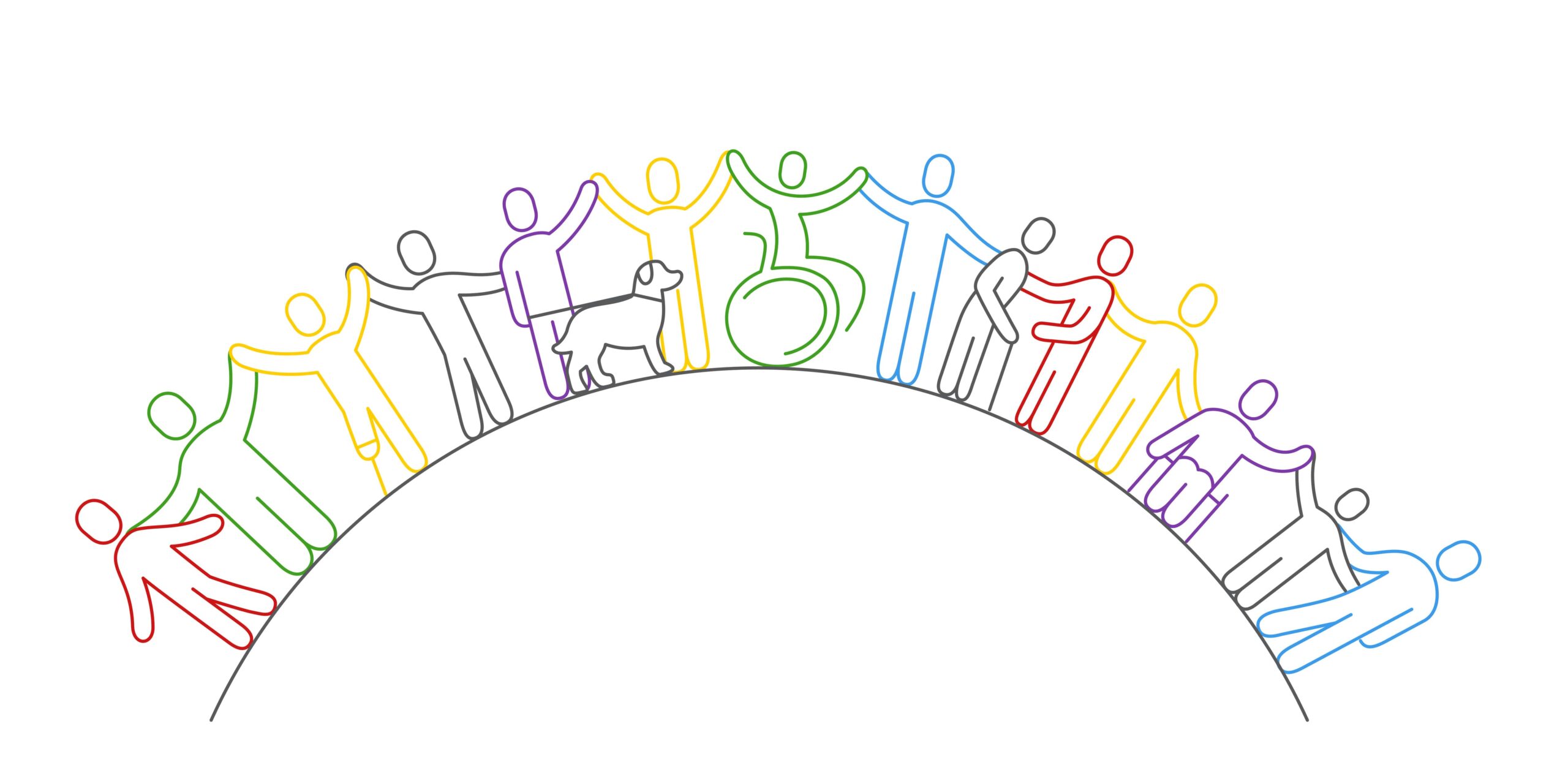
The recent social media post by Abel Mutua (an actor, screenwriter, content creator, and storyteller), in which he shared an edited photo joking about having an amputation just to afford the cost of an iPhone 17, has provoked sharp criticism.
The joke, which was meant to be a funny way to criticize how expensive Apple phones are, sparked debate online. While some viewed it as a harmless attempt at satire, others found the content controversial and insensitive, leading to a negative reaction.
However, when you look at the joke from the perspective of disability, it's more than just a bad joke. Instead, it shows a serious lack of understanding about disability and is a clear example of ableism online.
Disability literacy is the foundational knowledge of respectful ways to refer to and interact with Persons with disabilities.
It is essential because it helps combat ableism, which is discrimination that devalues and oppresses PWDs.
Ableism often occurs not through deliberate meanness, but through omission, inattention, or, in this case, by using disability as a thoughtless punchline.
As the Association for the Physically Disabled of Kenya (APDK) asserted, "Disability is not a joke, nor should it be used as a metaphor."
Mutua’s post was ableist because it trivialized the lived experiences of persons who have undergone amputation, using their reality as a tool for exaggeration about a consumer trend.
By equating a profound physical loss with a mere financial sacrifice, the post reinforced harmful stereotypes, perpetuating the idea that disability is a source of ridicule.
While the post was eventually deleted, the lack of any subsequent apology or public acknowledgment from Mutua is where the real missed opportunity lies. This silence suggests a failure to grasp the depth of the harm.
Disability literacy is more than just basic etiquette; it is the understanding that disability is a matter of human rights, dignity, and inclusion, requiring recognition of the societal barriers (like ableism) that restrict Persons with disabilities.
For influencers like Abel Mutua, who have immense power over public opinion, literacy demands accountability, recognizing that their words carry greater weight and can either challenge stigma or, as in this case, perpetuate ableism.
A simple deletion is insufficient when a mistake causes real pain. An apology is not just contrition; it is an act of acknowledging the harm and committing to better behavior.
Committing to inclusive storytelling where disability is represented with dignity, not as a metaphor for sacrifice.
Acknowledging the mistake would have been a powerful public demonstration of learning, setting a positive example for millions of followers.
The failure to do so undermines the greater effort towards achieving disability inclusion and allows a moment of ableist ignorance to stand unchallenged in society.
Tags: Abel Mutua Apdk Digital Inclusion Disabilty Rights NCPWD Editor's Pick
Share this article

Selestine Nyongesa
Experienced and versatile writer, dedicated to using my exceptional writing and editing skills to inform and advocate. My work focuses on educating and entertaining readers on a range of topics, with a particular expertise in matters of disability.