

Karubandika To Kamanyola: The Timeless Reign Of Orchestra Maquis Original
Entertainment Updated: 23 February 2026 21:43 EAT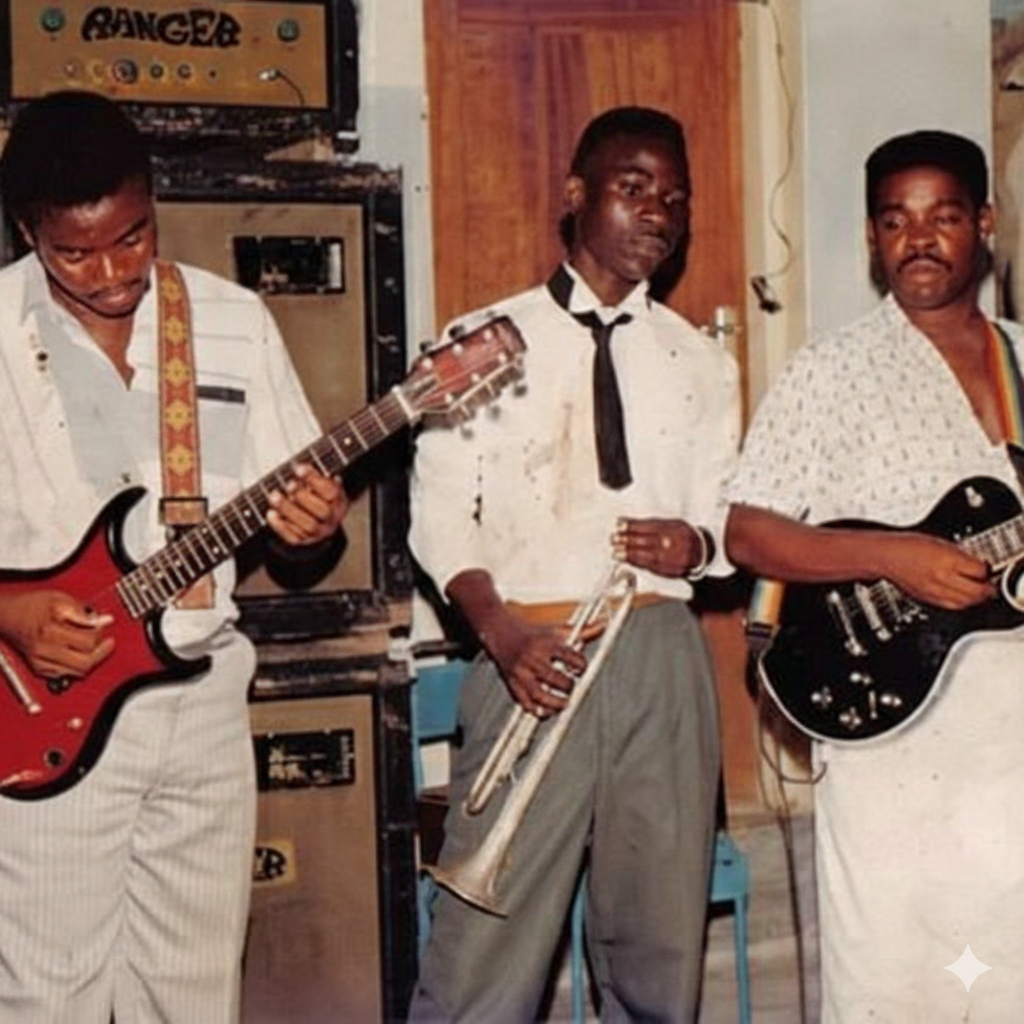
Some members of the Orchestra Marquis Rumba band
Orchestra Maquis Original was born out of movement, rhythm and ambition at the dawn of the 1970s. In 1970, in the bustling mining city of Lubumbashi in what was then Zaire, a group of determined musicians came together with a shared dream of making dance music that would travel beyond borders.
The early sound of the band was rooted in Congolese rumba and soukous, genres that were sweeping across Central Africa at the time. Their guitars sang in layered harmony, and their horn lines carried a celebratory urgency that defined the era.
Two years later, fate redirected their journey. While traveling through East Africa for performances, the musicians found themselves drawn to Dar es Salaam, Tanzania — a city whose nightlife and appetite for live music were rapidly expanding.
In 1972, they settled in Tanzania and rebranded as Orchestra Maquis Original. The relocation marked the beginning of a new chapter, one that would see them evolve into a cornerstone of Tanzanian muziki wa dansi.
At the helm during those formative years was saxophonist and band leader Chinyama Chianza. His steady leadership provided direction as the group adjusted to a new audience, language and musical environment.
Under Chianza’s guidance, the band quickly mastered the art of captivating live audiences. Their performances were not simply concerts; they were immersive dance experiences that often stretched late into the night.
Dar es Salaam’s dance halls became their proving ground. With every performance, they tightened their sound, refined their harmonies and strengthened their bond with fans who returned week after week.
When Chianza passed away in 1985, the band faced uncertainty. Yet rather than fade, they regrouped under new leadership, with guitarist Nguza Mbangu stepping forward to steer the ensemble.
Mbangu’s guitar work injected fresh energy into the group. His sharp riffs and confident solos became defining features of the Orchestra Maquis sound during the mid-1980s.
As years passed, new voices and instrumentalists joined the lineup. Musicians such as Mbuya Makonga, Thsimanga Assosa, Ilunga Mbanza and Dekula “Vumbi” Kahanga added layers of creativity that kept the band dynamic.
One of the band’s unique contributions to East African music was its emphasis on “mtindo” — a signature dance style attached to a particular musical phase. Each new mtindo came with its own rhythm, tempo and identity.
Among the most celebrated of these styles were Kamanyola Bila Jasho, Sanifu, Ogelea Piga Mbizi and Zembwela. These were not merely names; they were invitations for audiences to move in specific, joyful ways.
Songs such as “Karubandika” became instant favorites. Its melody and groove captured the essence of the band’s spirit and remains a beloved classic decades later.
Other tracks, including “Mpenzi Luta” and “Mabruki,” showcased intricate guitar interplay and smooth vocal arrangements. Each release reinforced their reputation as masters of dance orchestration.
Unlike many contemporary acts focused on album releases, Orchestra Maquis Original thrived primarily on live performances. Their strength lay in the energy exchanged between stage and dance floor.
Throughout the 1970s and 1980s, they toured widely across Tanzania and neighboring countries. Their music echoed through social halls in Kenya and Uganda, broadening their regional influence.
Even as musical tastes shifted over time, the band demonstrated resilience. They adapted their arrangements while preserving the core rumba foundation that defined their identity.
Their longevity became one of their greatest achievements. While many dansi bands dissolved under financial or internal pressures, Orchestra Maquis Original endured.
Music scholars often point to the group as a bridge between Congolese rumba traditions and Tanzanian dance innovation. They localized an imported sound, giving it a distinct East African character.
Generations of musicians have cited them as inspiration. The layered guitars and disciplined horn sections they perfected became hallmarks for subsequent dansi orchestras.
Today, their name carries the weight of history. Even as members changed over decades, the brand of Orchestra Maquis Original remained synonymous with quality dance music.
More than fifty years after their formation, their rhythms still spark movement. Their journey from Lubumbashi to Dar es Salaam tells a story of migration, adaptation and artistic endurance that continues to resonate across East Africa.
Tags: Article Dr Congo DRC CONGO Edit Entertainment Kenyan Artists Signs Media Kenya Limited Signsmedia Signstv Signstvkenya Tanzania Editor's Pick



Share this article

FELIX MAKONA
FACT FINDER AND DATA DRIVEN JOURNALIST. DATA MINING AT IT'S BEST. GET FACTS RANGING FROM MATTERS DISABILITY AND INCLUSION, POLITICS, ECONOMY, SPORTS AND GENERAL NEWS AROUND THE WORLD