

Afrisa International: Decades of Rumba, Rhythm, and Resonance
Entertainment Updated: 16 February 2026 00:09 EAT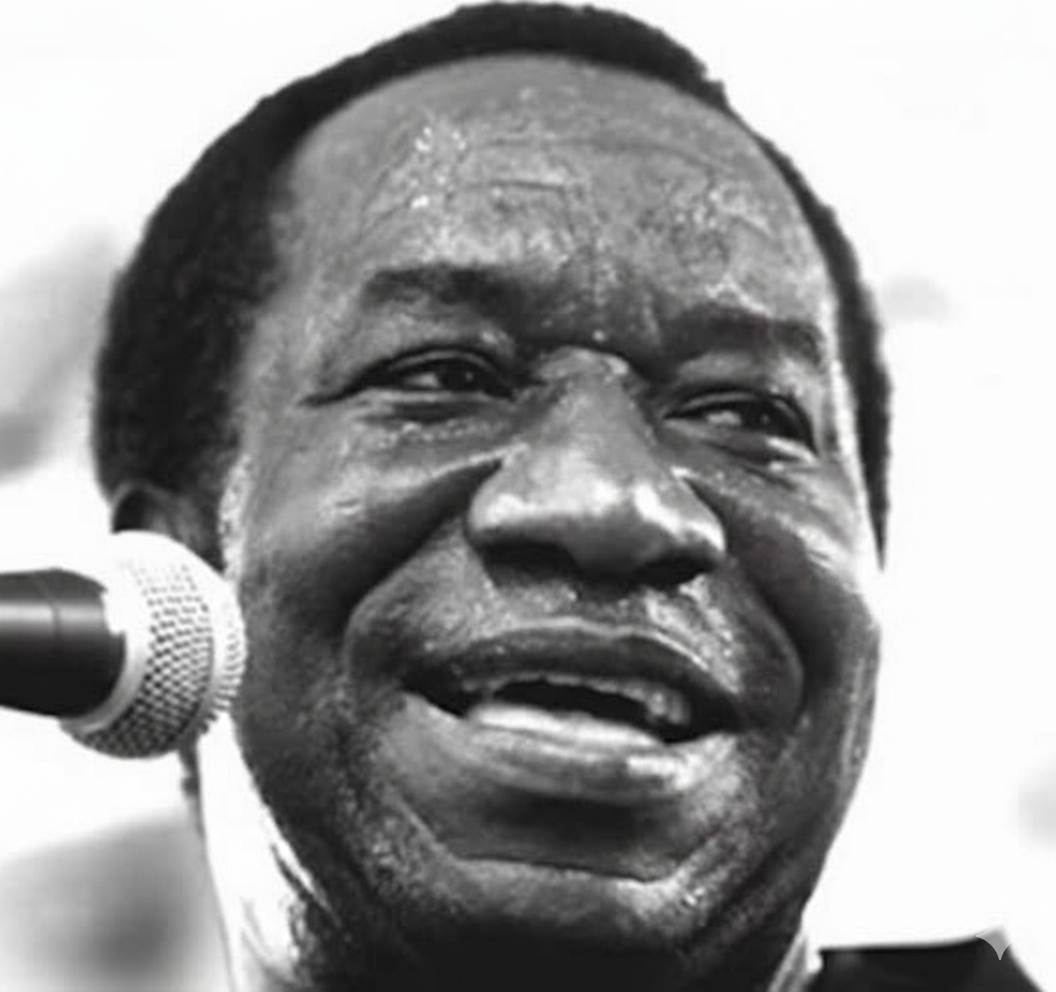
The late Pascal‑Emmanuel Sinamoyi Tabu popularly known as Tabuley was the lead vocalist at the Le Afrisa International band
l’Orchestre Afrisa International was a Congolese rumba and soukous band founded in 1970 by singer‑songwriter Tabu Ley Rochereau. The name “Afrisa” combined “Africa” with ISA, referencing the International Service Artistique label that backed the band’s recordings. Tabu Ley, already prominent from his work with African Jazz and African Fiesta, led Afrisa to become one of Zaire’s most influential musical ensembles.
The band’s sound blended Cuban rumba rhythms with Congolese musical structures, featuring intricate guitar lines, vibrant brass sections, and layered vocals. Early members included guitarists Dino Vangu and Michelino Mavatiku Visi, saxophonist Modero Mekanisi, and drummer Ringo Moya, who helped establish the band’s distinctive orchestral style.
Afrisa International quickly rose to prominence with hits like Kaful Mayay, Aon‑Aon, and Mose‑Konzo, which showcased their mastery of danceable, melodic rumba. By the 1980s, the addition of vocalist Mbilia Bel revitalized the band’s appeal, resulting in acclaimed duets such as Eswi Yo Wapi and Mpeve Ya Longo. Her powerful soprano, combined with Tabu Ley’s commanding voice, became central to the band’s signature sound.
The partnership between Tabu Ley and Mbilia Bel extended beyond music; the two married and had a daughter, Melody Tabu. In the mid‑1980s, Tabu Ley introduced another vocalist, Faya Tess, who added a powerful and contrasting vocal style alongside Mbilia Bel. During this period, Afrisa International became known for dynamic live performances and extensive touring across Africa and internationally.
In 1984 the band undertook a seventeen‑stop tour across North America, an ambitious effort that brought its music to new global audiences. Afrisa’s music combined intricate guitar arrangements, layered vocal harmonies, and syncopated percussion, contributing to its reputation as an influential orchestral soukous ensemble.
Despite its success, the band faced challenges in the late 1980s due to Congo’s economic decline, which affected musical production and performance opportunities. Tabu Ley went into exile in France, where he continued to record and perform with Afrisa International from abroad. In the same period, Afrisa recorded Babeti Soukous at Real World Studios in England; this album was part of the early catalogue of Peter Gabriel’s world music label and showcased the band’s broader stylistic reach.
The band’s instrumentation remained rich, with sustained use of brass, layered guitars, and vocal ensembles that appealed to dancers and listeners alike. While Mbilia Bel left Afrisa in 1987 to pursue a solo career, many musicians who performed with the band, such as Sam Mangwana and Lokassa ya Mbongo, went on to become prominent artists themselves.
In the early 1990s, Afrisa spent much of its time based in Paris due to conditions in Zaire, continuing to tour and record overseas. During this period, the band released albums such as Muzina and Africa Worldwide while in the United States. Although Afrisa International’s popularity declined in some markets in the late 1990s, its legacy remained strongly tied to Congolese popular music and rumba history.
After Tabu Ley’s death in 2013, surviving members including saxophonist Modero Mekanisi continued to carry the band’s musical tradition forward. In 2017, Afrisa International released the album Melanie, featuring new recordings of rare and classic songs recreated by original members. Melanie featured musicians who had performed with the band for decades, such as Modero Mekanisi, singers Wawali Bonane, Dodo Munoko, Habiba Batantu, Djeffard Lukombo, and guitarists Dino Vangu and Huit Kilos Nseka.
The album celebrated Afrisa’s signature combination of rich vocals, syncopated rhythms, and melodic guitar work that defined its classic sound. Through its decades of recordings and performances, Afrisa International played a major role in popularizing Congolese rumba and soukous across the African continent and beyond.
The band’s extensive catalogue of recordings remains influential among collectors and world-music audiences interested in African musical heritage. Afrisa International’s legacy endures through its recordings, its influence on subsequent musicians, and the ongoing performances and reinterpretations of its music.
This narrative captures the full arc of Afrisa International’s history, from its founding, key members, albums, and hit songs, to its international tours, enduring influence, and cultural impact across decades.
Tags: Article Artists Entertainment Signs Media Kenya Limited Signstvkenya



Share this article

FELIX MAKONA
FACT FINDER AND DATA DRIVEN JOURNALIST. DATA MINING AT IT'S BEST. GET FACTS RANGING FROM MATTERS DISABILITY AND INCLUSION, POLITICS, ECONOMY, SPORTS AND GENERAL NEWS AROUND THE WORLD