

Inside the Rise of TPOK Jazz, Africa’s Legendary Orchestra
Entertainment Updated: 13 February 2026 21:35 EAT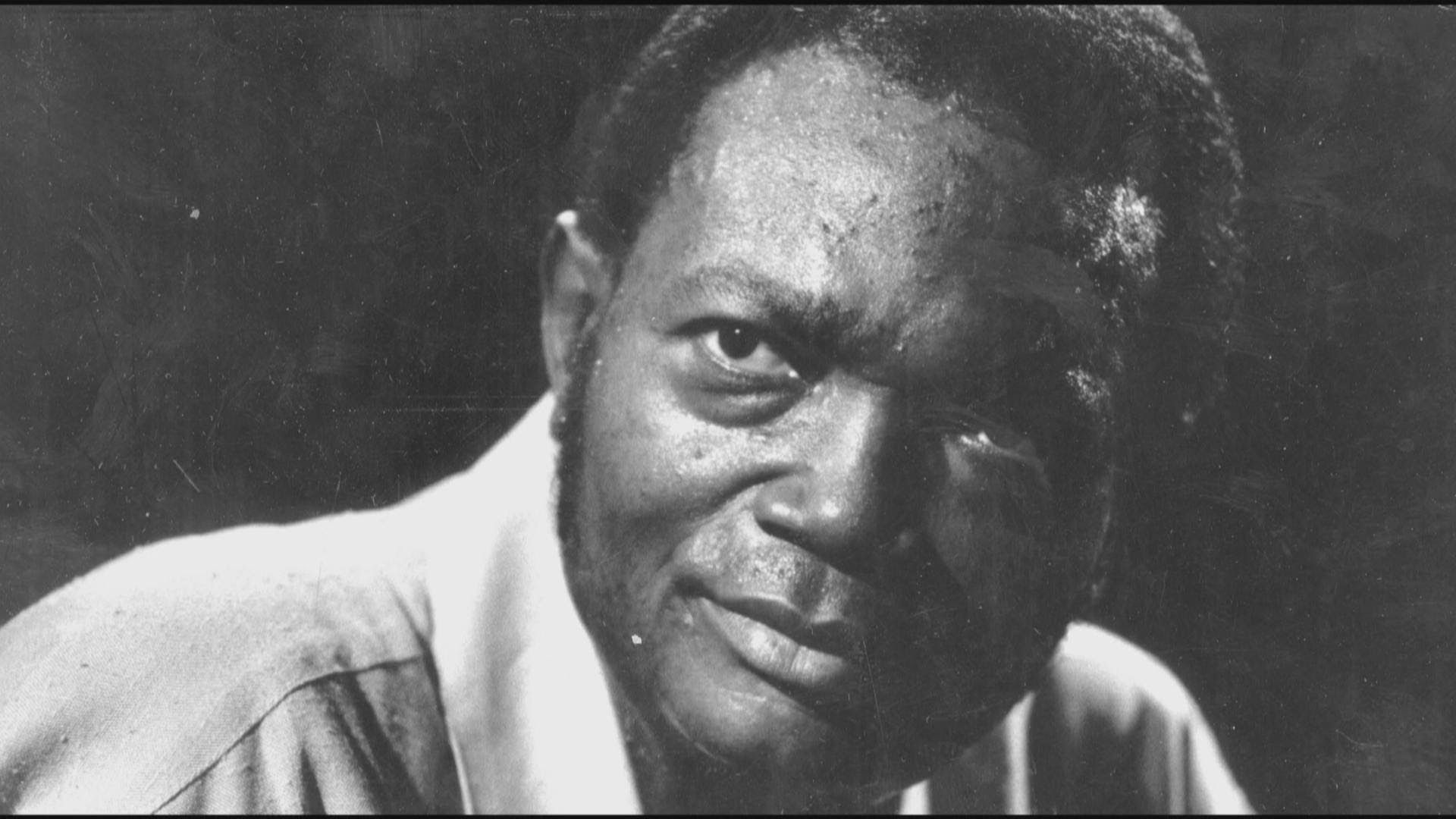
Franco Luambo Luanzo Makiadi was the founder of Tout Puissant Orchestre Kinshasa (TPOK JAZZ) rooted in Congo Kinshasa
Tout Puissant Orchestre Kinshasa, popularly known as TPOK Jazz, stands as one of the most influential ensembles in African music history. The name translates from French as “All-Powerful Kinshasa Orchestra,” reflecting both artistic ambition and dominance within the Congolese rumba movement. Over several decades, the group shaped the sonic identity of Central Africa and influenced generations of musicians across the continent.
The band was founded in 1956 in what was then Léopoldville, now Kinshasa in the Democratic Republic of Congo. It emerged during a period when Congolese rumba was crystallizing into a distinct style rooted in Cuban son influences blended with African rhythms. TPOK Jazz quickly distinguished itself through intricate guitar work and layered horn arrangements.
At the heart of the orchestra was Franco Luambo Makiadi, widely regarded as one of Africa’s greatest guitarists. Franco co-founded the group and became its undisputed leader. His innovative picking technique and commanding stage presence defined the band’s signature sound.
The name “Tout Puissant” signaled confidence at a time when competition among Kinshasa bands was fierce. It was not merely a title but a declaration of supremacy in the thriving rumba scene. The orchestra soon became synonymous with musical authority and cultural commentary.
In its early years, TPOK Jazz competed directly with African Jazz, led by Joseph Kabasele. The rivalry between the two orchestras fueled innovation and pushed Congolese music to new creative heights. Each band sought to outdo the other in lyrical depth and instrumental virtuosity.
As the 1960s unfolded, TPOK Jazz expanded its membership and refined its style. The band became known for extended instrumental sections, particularly the “sebene,” a high-energy guitar-driven dance passage that would become a staple of Congolese rumba. This structural element helped define the genre’s evolution.
Franco’s leadership style was firm and strategic. He recruited top-tier musicians and nurtured emerging talent within the orchestra. The group operated as both a musical collective and a training ground for future stars.
One of the key figures who passed through TPOK Jazz was Sam Mangwana. His smooth vocals contributed to some of the band’s most celebrated recordings before he launched a successful solo career. Such departures were common as members pursued independent paths.
Another notable member was Mose Fan Fan, whose melodic guitar style left a lasting mark. His tenure illustrated the band’s ability to accommodate diverse musical personalities while maintaining a coherent identity.
Over time, TPOK Jazz produced an extensive discography that ran into hundreds of songs. Among their most recognized works is the album “Mario,” a socially charged release that examined themes of relationships and power dynamics. The title track became a continental hit.
The song “Mario” is particularly remembered for its narrative about a younger man financially dependent on an older woman. Its storytelling approach showcased Franco’s skill in blending satire, social commentary and danceable rhythm. The track remains a cultural reference point.
Another landmark composition is “Attention Na SIDA,” which addressed the AIDS crisis in Africa. At a time when stigma was widespread, the band used its platform to promote awareness. This demonstrated the orchestra’s role beyond entertainment.
The album “Candidat Na Biso Mobutu” reflected the political realities of its era. It signaled the complex relationship between musicians and state power during Mobutu Sese Seko’s rule. The band navigated political expectations while maintaining artistic relevance.
Throughout the 1970s and 1980s, TPOK Jazz dominated airwaves across Francophone Africa. Their music resonated in countries such as Kenya, Tanzania, Cameroon and Ivory Coast. The orchestra became a continental institution.
In East Africa, Lingala songs by TPOK Jazz became staples at weddings and social gatherings. The band’s influence contributed significantly to the popularity of Congolese rumba in Nairobi and beyond. Their records were widely distributed across the region.
The group’s achievements include pioneering modern Congolese rumba and elevating the sebene structure into a defining genre element. They also professionalized band management practices in the region. Franco’s business acumen ensured financial sustainability.
TPOK Jazz toured extensively, performing in Europe and North America. These international engagements introduced global audiences to Congolese rhythms. Their concerts were known for their length and improvisational depth.
The orchestra experienced internal tensions and lineup changes over the years. Rivalries with emerging bands such as Zaiko Langa Langa intensified during the 1970s. Younger musicians challenged the older generation’s dominance.
Despite competition, TPOK Jazz adapted by incorporating fresher sounds and younger talent. The band’s resilience ensured its continued relevance. Franco remained the central figure guiding transitions.
The lyrical content of TPOK Jazz songs often explored love, betrayal, morality and social conduct. Their storytelling tradition drew from Congolese oral heritage. Songs were structured almost like mini-dramas.
Instrumentally, the orchestra relied heavily on interlocking guitars, bass lines and brass sections. The rhythm section created hypnotic grooves that encouraged extended dancing. This musical architecture became a template for soukous.
The band also influenced fashion and performance culture. Franco’s distinctive style, often featuring a cigar and tailored suits, projected authority. Stage presentation became an integral part of their brand.
In terms of awards and recognition, TPOK Jazz is widely credited as one of Africa’s most important bands of the 20th century. Though formal award systems were limited in early decades, their commercial success and longevity speak to their impact. Their recordings remain widely circulated.
Franco’s death in 1989 marked a turning point for the orchestra. His passing effectively signaled the end of an era. Without his leadership, the band gradually ceased operations.
The legacy of TPOK Jazz endures through countless musicians inspired by their sound. Modern Congolese artists continue to sample and reinterpret their compositions. The orchestra’s catalog remains foundational.
Their rivalry with African Jazz in the early years and later with Zaiko Langa Langa underscored the competitive dynamism of Congolese music. Each wave of competition stimulated stylistic evolution. TPOK Jazz consistently responded with innovation.
The meaning behind their repertoire often extended beyond romance. Songs addressed migration, economic struggle and societal change. This broadened their appeal across different demographics.
Albums were frequently released as extended singles rather than conventional LP formats. The Congolese recording industry favored long-play tracks that filled vinyl sides. This allowed for elaborate instrumental passages.
The orchestra’s management structure was hierarchical, with Franco exercising decisive authority. He oversaw composition, arrangement and financial matters. This centralized control maintained cohesion.
Despite internal conflicts, many former members have acknowledged the band’s formative influence on their careers. TPOK Jazz functioned as an academy for Congolese musicianship. Its alumni network spans decades.
In Kenya and other parts of East Africa, their music helped shape local benga and rumba hybrids. Cross-cultural exchange enriched regional styles. The Lingala language became widely recognized through their songs.
TPOK Jazz remains a benchmark against which other African orchestras are measured. Their blend of musical sophistication and mass appeal set a high standard. Few ensembles matched their sustained dominance.
The story of TPOK Jazz is ultimately one of ambition, rivalry, resilience and cultural leadership. From its founding in 1956 to its lasting legacy after 1989, the orchestra defined an era. Its meaning lies not only in its name but in its enduring imprint on African music history.
Tags: Entertainment Signs Media Kenya Limited Signs Tv Signsmedia Signstvkenya



Share this article

FELIX MAKONA
FACT FINDER AND DATA DRIVEN JOURNALIST. DATA MINING AT IT'S BEST. GET FACTS RANGING FROM MATTERS DISABILITY AND INCLUSION, POLITICS, ECONOMY, SPORTS AND GENERAL NEWS AROUND THE WORLD