

Israel Claims Killing of Iran’s Security Chief in Tehran Airstrike
News Updated: 17 March 2026 16:44 EAT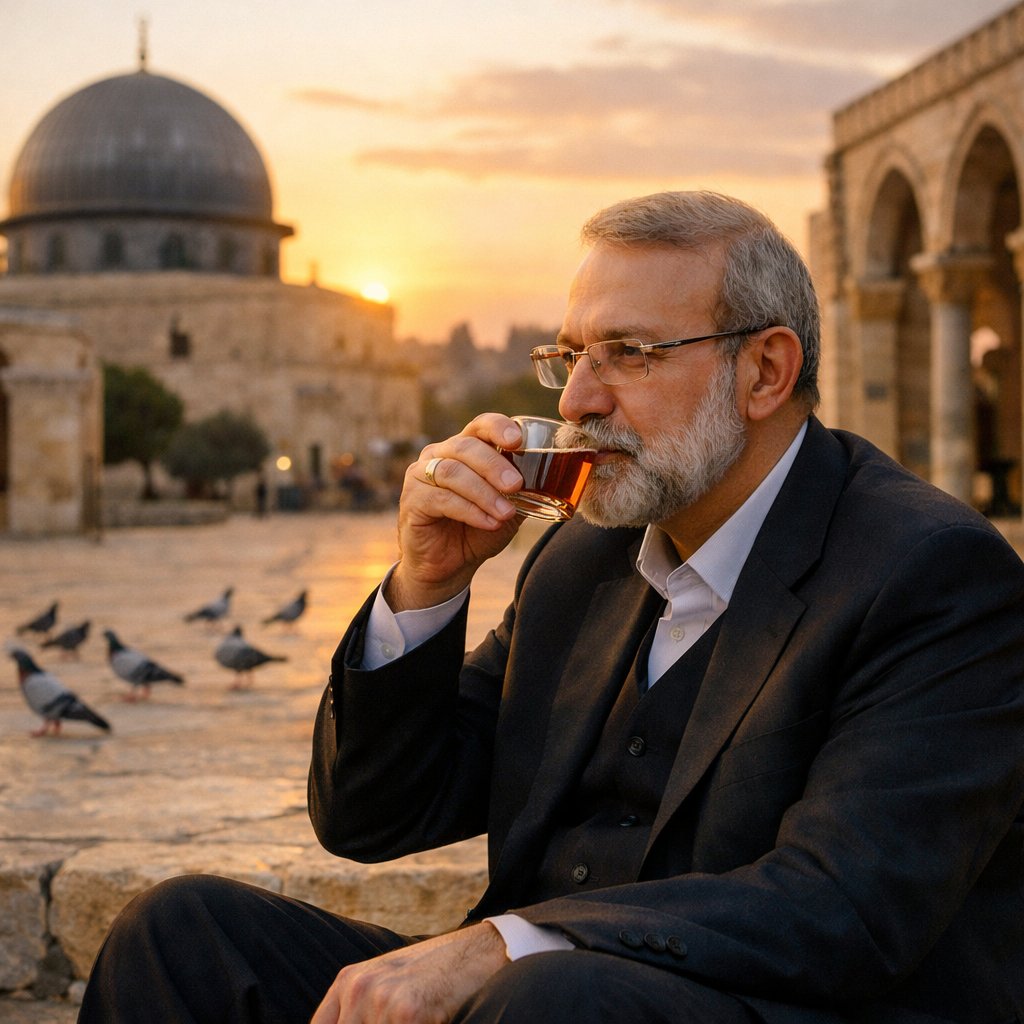
Ali Larijani, the de facto leader of the Iranian regime
Israel’s Defence Minister Israel Katz announced on Tuesday that the Israeli military has killed Ali Larijani, the Secretary of Iran’s Supreme National Security Council, in an overnight airstrike targeting senior Iranian leadership near Tehran.
According to Israel, the highly coordinated strikes also eliminated Gen. Gholamreza Soleimani, commander of Iran’s Basij paramilitary force and other senior Basij figures. If confirmed, Larijani’s death would mark the most senior Iranian official reported killed since the death of Supreme Leader Ali Khamenei earlier in the ongoing war.
Katz said that the airstrikes struck key sites linked to Iran’s national security apparatus and leadership command structures, dealing a significant blow to Tehran’s strategic leadership.
However, the Iranian government has not publicly confirmed Larijani’s death or the fate of the other officials targeted, and Tehran’s official media remain silent on the claims. This lack of independent confirmation has left uncertainty over the outcome of the strikes.
Israeli sources say the operation occurred overnight and was designed to undermine Iran’s decision‑making capacity and disrupt sustained military coordination with allied forces opposed to Israel’s campaign.
Larijani was widely regarded as a central figure in Iran’s leadership, playing a key role in coordinating the country’s foreign and security policies and acting as a senior strategist during the escalating conflict.
The claim of Larijani’s killing comes amid a broader and intensifying conflict between Israel, the United States and Iran that has already seen significant casualties, with the war now in its third week and more than 2,000 lives lost.
Regional tensions have escalated sharply, with reports of missile and drone attacks launched by Iran on Israeli targets and neighboring Gulf states in retaliation for earlier strikes, further destabilizing security across the Middle East.
The ongoing hostilities have also disrupted maritime traffic through the Strait of Hormuz, a critical global oil passage, prompting fears of sustained supply interruptions and rising energy prices worldwide.
International reactions have so far been guarded, with global leaders calling for de‑escalation while also expressing concern about the mounting humanitarian toll in the region.
Some analysts say that if Larijani’s death is confirmed, it could have major implications for Iran’s internal political landscape, as he was seen as one of the most powerful figures remaining after Khamenei’s killing early in the conflict.
Social media reports reflect confusion and debate, with some posts noting unverified messages purportedly from Larijani appearing after the announcement, adding to uncertainty over his fate.
The Israeli military says it will provide further updates as information becomes available, and global news agencies are closely monitoring responses from Tehran and international capitals.
Iran’s leadership — including the new Supreme Leader — has not yet issued an official statement on the latest strikes, leaving a critical information gap about the status of the country’s top security officials.
International diplomacy efforts continue amid mounting pressure from world powers to halt further escalation, with efforts to reopen dialogue and address wider regional instability ongoing even as military operations intensify.
Tags: Edit Editor's Pick Iran Iran Nuclear Deal Signs Media Kenya Limited Signsmedia Signstv Signstvkenya Usa World War Three

Share this article

FELIX MAKONA
FACT FINDER AND DATA DRIVEN JOURNALIST. DATA MINING AT IT'S BEST. GET FACTS RANGING FROM MATTERS DISABILITY AND INCLUSION, POLITICS, ECONOMY, SPORTS AND GENERAL NEWS AROUND THE WORLD