

Iran Crisis Escalates as Civilians Form Human Chains and UN Warns of ‘Gravest Crime’
News Updated: 08 April 2026 00:46 EAT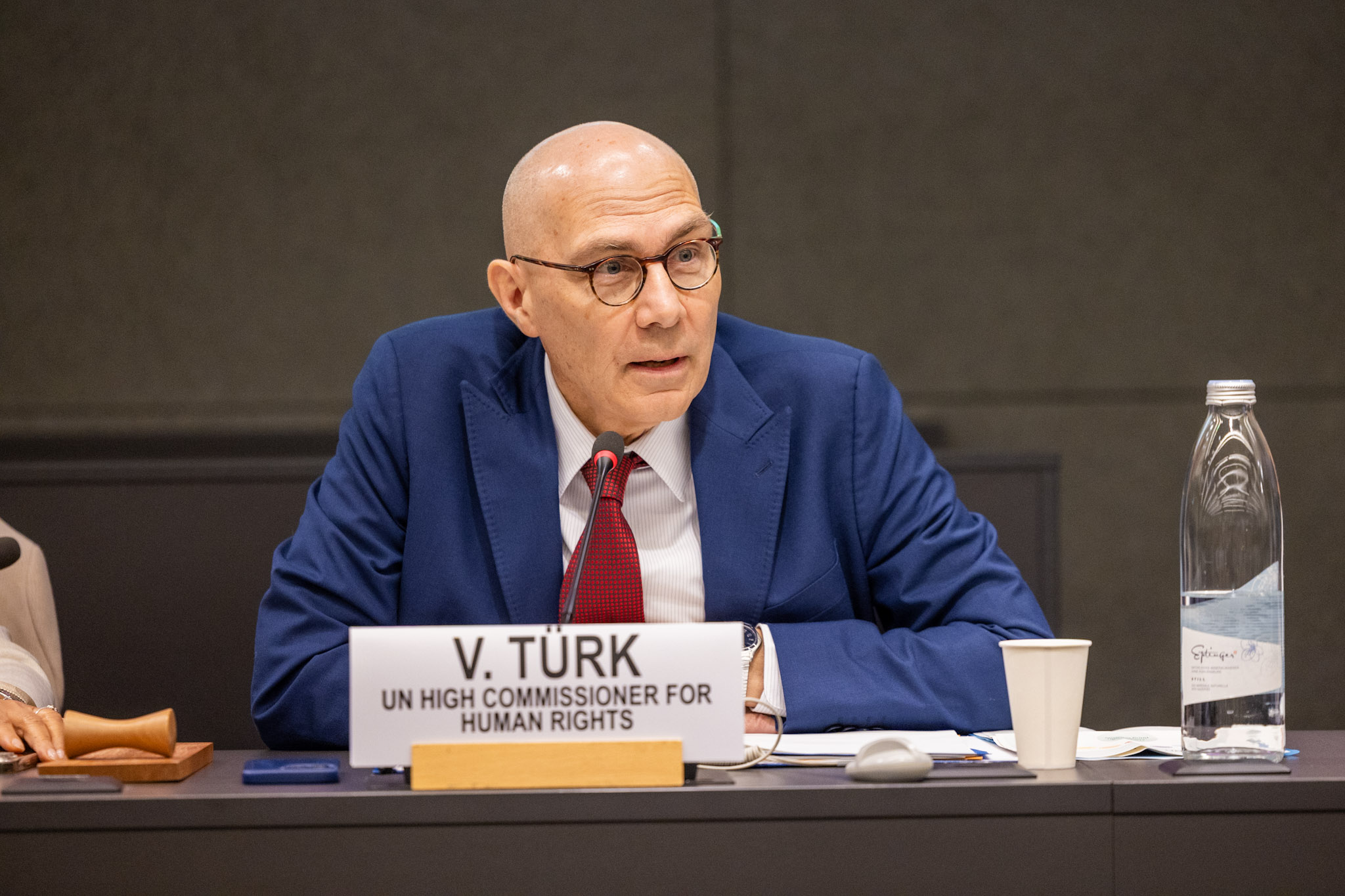
United Nations Human Rights chief Volker Turk
Tensions in the Iran war have intensified sharply after Donald Trump issued a stark warning that “a whole civilization will die” if Tehran fails to comply with U.S. demands. The statement, tied to the strategic Strait of Hormuz dispute, has triggered widespread alarm across the international community.
The U.S. president’s ultimatum reportedly included threats targeting key Iranian infrastructure such as power plants, bridges, and energy facilities. Analysts say the language marks a significant escalation, raising fears of a broader and more destructive phase of the conflict.
In response, Iranian authorities have mobilized civilians in a dramatic show of resistance, urging citizens to form human chains around critical infrastructure. The move is being presented as both symbolic defiance and a deterrent against potential strikes.
Scenes shared by state media show massive crowds gathered around power stations and key installations, with participants waving flags and chanting patriotic slogans. The mobilization appears to cut across various segments of society, including students, workers, and professionals.
Officials in Tehran claim that more than 14 million people have joined or pledged support for the nationwide effort. While the figure remains difficult to independently verify, it underscores the scale of the government’s messaging and internal mobilization.
The tactic of forming human chains is not entirely new in Iran, but its current scale is unprecedented. Observers warn that placing civilians near potential military targets significantly increases the risk of casualties in the event of an attack.
Meanwhile, reports indicate that U.S. and allied strikes on Iranian targets have continued, hitting a range of sites including transport networks and energy infrastructure. The attacks have contributed to growing humanitarian concerns, particularly over damage to essential services.
The escalation has drawn sharp criticism from international legal experts, who caution that targeting civilian infrastructure could violate international humanitarian law. Concerns are mounting over the proportionality and legality of such actions.
At the center of global condemnation is Volker Türk, who warned that threats to annihilate an entire population or civilization could amount to one of the gravest crimes under international law. His remarks have amplified calls for restraint.
Human rights advocates have stressed that both rhetoric and actions must adhere to established legal frameworks, emphasizing that collective punishment and deliberate harm to civilians are strictly prohibited under global conventions.
Political reactions have also emerged within the United States, where several lawmakers have voiced concern over the implications of the president’s statements. Critics argue that such rhetoric risks deepening the conflict and undermining diplomatic efforts.
International attempts to mediate the crisis have so far struggled to gain traction. Regional powers and neutral states have made efforts to de-escalate tensions, but no major breakthrough has been achieved.
The Strait of Hormuz remains a central flashpoint, given its critical role in global oil shipments. Any disruption to the waterway carries significant economic consequences, adding urgency to the unfolding crisis.
As the situation continues to evolve, the combination of heightened rhetoric, civilian mobilization, and ongoing military operations has created a volatile and unpredictable environment. Observers warn that without swift diplomatic intervention, the conflict could spiral into a wider regional crisis with devastating consequences.
Tags: Article Donald Trump News Article Signs Media Kenya Limited Signsmedia Signstv Signstvkenya Trump Trump Donald United States Israel VS Iran war Usa Edit Editor's Pick Editors choice Iran Iran Nuclear Deal Ministry of Energy And Petroleum The Strait of Hormuz

Share this article

FELIX MAKONA
FACT FINDER AND DATA DRIVEN JOURNALIST. DATA MINING AT IT'S BEST. GET FACTS RANGING FROM MATTERS DISABILITY AND INCLUSION, POLITICS, ECONOMY, SPORTS AND GENERAL NEWS AROUND THE WORLD