

High Court rejects compensation claims for 1998 US Embassy bombing victims
News Updated: 28 January 2026 12:28 EAT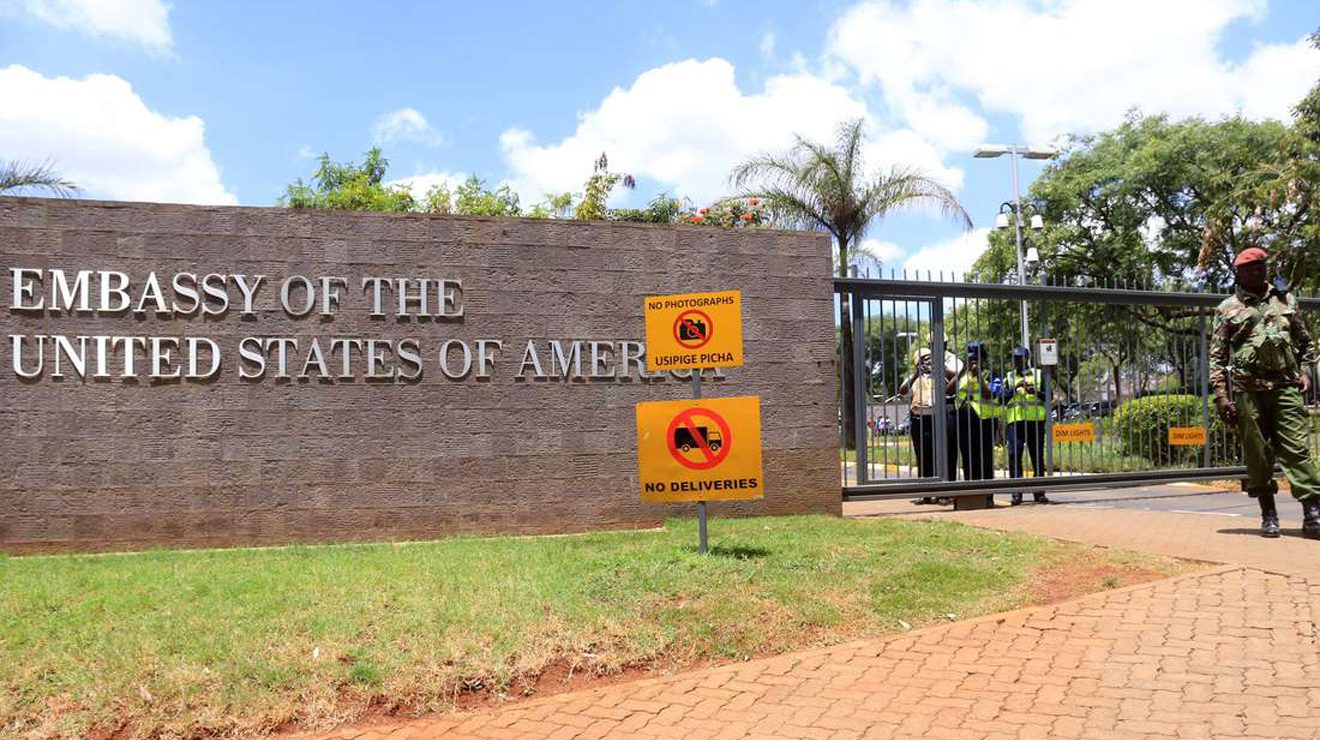
US Embassy entrance in Nairobi Kenya
Victims and survivors of the 1998 US Embassy bombing in Nairobi appeared at the Milimani Constitutional Court on Wednesday as they awaited a verdict in their long-running compensation case. The petition sought damages and the establishment of a commission of inquiry into the August 7, 1998, terrorist attack, which killed more than 200 people and left thousands injured.
The petitioners, including survivors and families of victims, argued that the Kenyan government had prior intelligence indicating a potential attack but failed to act adequately to prevent the tragedy. They claimed the State’s inaction violated their constitutional rights to life and security.
Lawyers representing the applicants emphasized that decades had passed without formal recognition or compensation for the losses suffered, noting that some American victims had received payouts while Kenyan victims remained uncompensated.
The case, first filed in 2021, underwent multiple hearings over the years. The High Court repeatedly postponed judgment, citing the need to review voluminous evidence and complex legal arguments presented by both parties.
On Wednesday, the court delivered its ruling, dismissing the petition and holding that the applicants failed to establish State liability. The judge noted that there was insufficient evidence that the government had specific, actionable knowledge of the attack.
The court found that most of the documents submitted by petitioners were general reports or media articles, lacking direct authorship verification or primary evidence, which weakened their credibility. The State argued successfully that there was no breach of duty, as authorities had acted reasonably given the information available at the time.
The ruling underscores the difficulty victims face in seeking accountability from the government in terrorism-related cases. Survivors expressed disappointment but acknowledged the court’s decision while considering possible next steps.
Legal experts say the judgment highlights gaps in Kenya’s framework for compensating victims of major terror incidents. They note that proving State negligence decades after an attack is often a significant legal hurdle.
Despite the dismissal, advocacy groups continue to push for legislative and policy measures to ensure victims of terrorism receive timely support and recognition, citing humanitarian and moral obligations.
The High Court’s decision is likely to shape future petitions involving state liability and compensation claims for large-scale attacks, setting a high evidentiary threshold for claimants.
Families and survivors have long called for a formal inquiry into the 1998 bombing to understand the circumstances leading up to the attack and assess whether preventive measures could have saved lives. The court’s dismissal leaves this request unresolved.
As the petition closes, attention now turns to alternative avenues for victims, including international legal channels and parliamentary advocacy, as they seek justice and redress more than two decades after the deadly attack.
Tags: Editor's Pick Signs Media Kenya Limited Signstvkenya Titus Ekiru Government Of Kenya High Court United Nations 1998 Bomblast 1998 Embassy Bombings Signsmedia


Share this article

FELIX MAKONA
FACT FINDER AND DATA DRIVEN JOURNALIST. DATA MINING AT IT'S BEST. GET FACTS RANGING FROM MATTERS DISABILITY AND INCLUSION, POLITICS, ECONOMY, SPORTS AND GENERAL NEWS AROUND THE WORLD