

Counties to Receive Sh428bn in New FY2026/27 Revenue Agreement
News Updated: 09 June 2026 23:52 EAT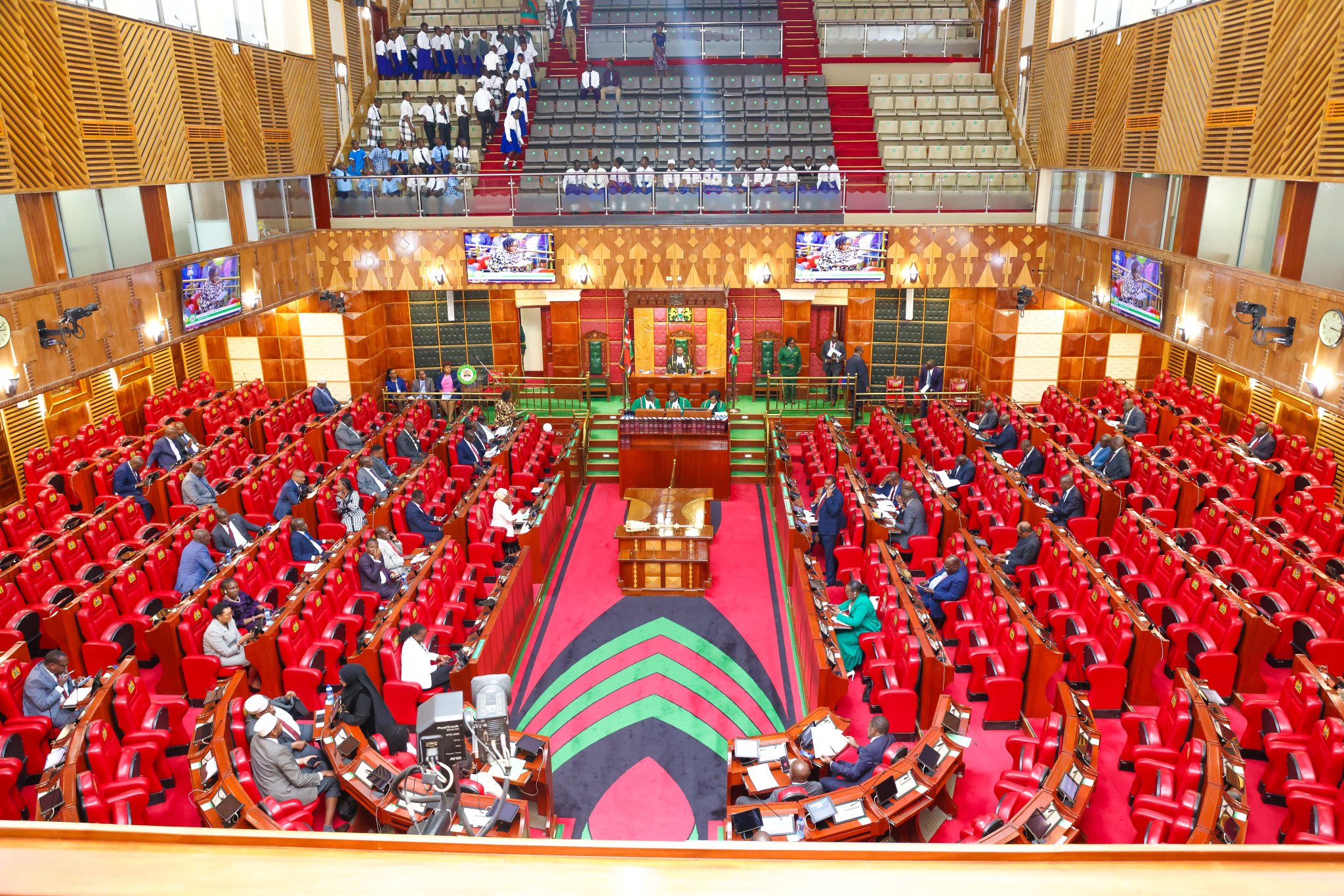
The National Assembly in session
Parliament has reached a key agreement on the Division of Revenue Bill for the 2026/27 financial year, setting the equitable share for Kenya’s 47 counties at Sh428 billion. The deal follows extended mediation between the National Assembly and the Senate, ending weeks of negotiation over how nationally raised revenue will be divided between the two levels of government. The agreement marks a compromise between competing proposals, with both Houses seeking to balance county needs against national fiscal pressures.
The agreed figure represents an increase from the Sh415 billion allocated to counties in the current 2025/26 financial year. Lawmakers say the rise reflects gradual growth in available shareable revenue, even as the government continues to manage heavy expenditure demands and debt obligations at the national level.
Earlier proposals from key institutions had set the stage for intense bargaining. The Commission on Revenue Allocation had recommended a higher allocation of about Sh458.94 billion to counties, arguing that devolved units require stronger funding to meet rising service delivery costs, wage bills, and inflation pressures. However, the final settlement landed below that recommendation after negotiations in Parliament.
According to parliamentary budget documents, the total shareable revenue for the 2026/27 financial year is projected at about Sh2.9 trillion. Under the agreed framework, the national government will retain the larger portion, while counties receive the Sh428 billion equitable share alongside conditional allocations through other statutory funds.
The negotiations were anchored in the constitutional requirement that Parliament must determine how revenue raised nationally is divided annually between the two levels of government. The process is guided by the Division of Revenue framework, which must be completed before the start of each financial year to ensure uninterrupted funding flows.
During mediation, Senators pushed for a higher allocation, arguing that counties remain underfunded relative to their expanding responsibilities in health, agriculture, infrastructure, and local development. They maintained that stronger county financing is essential for deepening devolution and improving service delivery at grassroots level.
Members of the National Assembly, on the other hand, expressed concern over fiscal sustainability, highlighting the country’s constrained revenue base and rising national expenditure. They also raised questions about absorption capacity in some counties, where development spending has occasionally lagged behind allocations.
The compromise figure of Sh428 billion emerged after both sides made concessions during mediation talks. The Senate is reported to have adjusted downward from its earlier position, while the National Assembly also moved upward slightly from its initial stance, paving the way for consensus.
County governments are expected to use the allocation to fund both recurrent and development expenditures, including health services, early childhood education support, infrastructure projects, and agricultural programs. The equitable share remains the single largest source of funding for devolved units.
The agreement now moves into the final legislative approval stages before inclusion in the national budget framework for the 2026/27 financial year. Once enacted, it will guide disbursements to counties starting July 1, ensuring continuity in devolved service delivery.
The latest settlement continues a long-standing pattern in Kenya’s budgeting process, where CRA recommendations are often adjusted during parliamentary negotiation. While counties have consistently received incremental increases over the years, the final allocations typically reflect a balance between devolution priorities and national fiscal constraints.
Analysts note that the outcome underscores the ongoing tension in public finance management between expanding county autonomy and maintaining macroeconomic stability. The rising cost of public debt and recurrent expenditure continues to shape how much can be allocated to devolved governments each year.
Despite the compromise, county leaders are expected to push for more predictable and increased funding in future cycles, arguing that stable financing is critical for long-term planning and development at the local level. The agreement, however, provides immediate certainty ahead of the new financial year.
With the Sh428 billion allocation now settled, attention is expected to shift to implementation, disbursement timelines, and how effectively counties will absorb and utilise the funds across the 47 devolved units.
Tags: 13Th Parliament Finance Bill Financial Basket Member Of Parliament Ministry Of Finance Parliament Signs Signs Media Kenya Limited Signsmedia Signstv Signstvkenya The senate The senate committee The senate debates Edit Editor's Pick Editors choice

Share this article

FELIX MAKONA
FACT FINDER AND DATA DRIVEN JOURNALIST. DATA MINING AT IT'S BEST. GET FACTS RANGING FROM MATTERS DISABILITY AND INCLUSION, POLITICS, ECONOMY, SPORTS AND GENERAL NEWS AROUND THE WORLD