
World AIDS Day and the Urgency of Inclusion for Women with Disabilities
Health Updated: 01 December 2025 21:54 EAT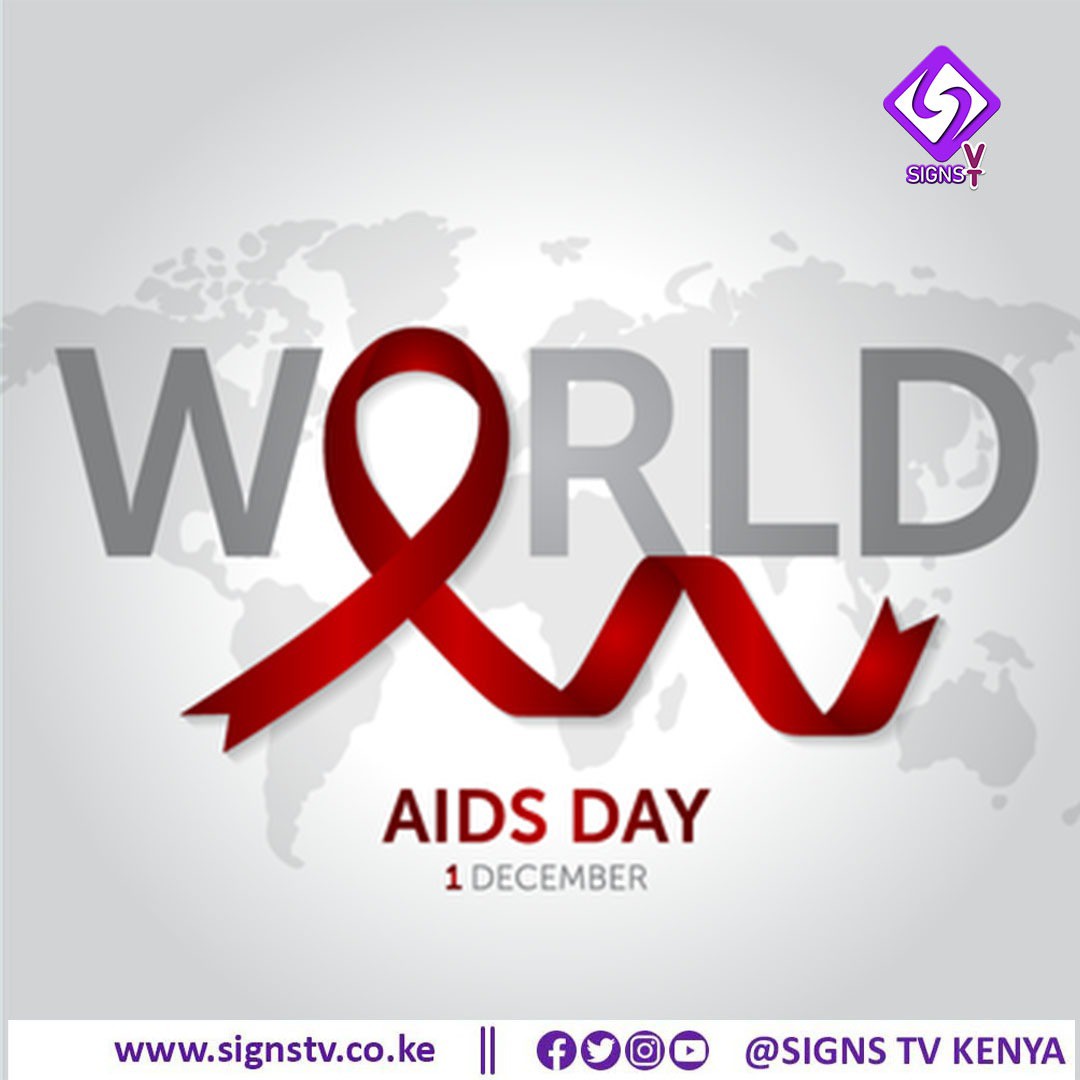
This year, on World AIDS Day 2025, the global community is mobilizing under the urgent theme "Overcoming disruption, transforming the AIDS response."
This recognition comes right in the middle of the 16 Days of Activism Against Gender-Based Violence (GBV), demanding a critical look at the ongoing challenges to health equity.
While great progress has been made against HIV, the effort is now facing major challenges; essential services are being disrupted, and many people are becoming more vulnerable to the virus.
It is at this critical moment that we must highlight the harsh realities faced by women and girls with disabilities who are survivors of GBV, a population for whom these two global crises tragically intersect.
Their vulnerability to HIV is not just a health crisis; it is a devastating consequence of compounded discrimination and systemic neglect.
The time for targeted, inclusive action is now, recognizing that achieving health equity is impossible without centering the needs of those most at risk.
The intersection of gender, disability, and violence creates a significantly elevated risk for acquiring HIV.
Data from the United Nations confirms this alarming truth: women and girls with disabilities face a 50% higher risk of acquiring HIV compared to their non-disabled peers.
This increased vulnerability is not inherent to the disability itself but is intensified by a matrix of systemic barriers.
Essential services, from healthcare facilities and police stations to support shelters, often suffer from inaccessible infrastructure (lacking ramps or accessible restrooms) and communication deficits (no sign language interpretation or easy-read materials).
Furthermore, harmful stigma and discrimination contribute to their exclusion from vital sexual and reproductive health education, while simultaneously making them targets for perpetrators who exploit their dependency or perceived inability to report the abuse.
These factors combine to prevent survivors from disclosing abuse, accessing timely information about HIV prevention, or receiving proper counseling and testing, solidifying a cycle of vulnerability.
Achieving justice and health equity demands a complete shift in our approach. We must move beyond fragmented services and adopt integrated, disability-inclusive interventions as a non-negotiable, lifesaving necessity.
This holistic framework must seamlessly combine four critical pillars. First, it requires fully accessible gender-based violence support, including safe spaces, legal aid, and counseling that prioritize physical accessibility, clear communication, and informed consent.
Second, it mandates high-quality psychosocial care with trauma-informed counseling that addresses both the trauma of violence and the double discrimination faced by women with disabilities.
Third, it is essential to guarantee Sexual and Reproductive Health and Rights (SRHR) by ensuring non-judgmental access to comprehensive education and allowing individuals to make autonomous decisions about their bodies.
Finally, there must be a complete integration of HIV Prevention, Testing, and Treatment services within all primary care and GBV response frameworks, ensuring that testing facilities are accessible and all treatment information is provided in formats the person can easily understand.
The fundamental principles guiding every intervention must be accessibility, dignity, and choice. This requires a rights-based approach that fully aligns with international conventions, such as the UN Convention on the Rights of Persons with Disabilities.
Accessibility must be understood broadly, extending beyond physical ramps to include communication, information, and the elimination of negative attitudes.
Dignity means challenging harmful stereotypes and ensuring that all women and girls are treated as experts on their own lives, capable of making their own decisions, embodying the principle of "Nothing about us without us."
Finally, choice requires empowering survivors to select the services and support they need without coercion or paternalistic interference.
As we commemorate World AIDS Day, let us commit to dismantling the structural barriers and harmful attitudes that perpetuate this injustice.
By championing integrated and inclusive responses, we can protect the rights and health of women and girls with disabilities and take a decisive step toward ending the AIDS epidemic for everyone.
Tags: World Aids Day Hiv/Aids NCPWD #Pwds Matters Disability Editor's Pick


Share this article

Selestine Nyongesa
Experienced and versatile writer, dedicated to using my exceptional writing and editing skills to inform and advocate. My work focuses on educating and entertaining readers on a range of topics, with a particular expertise in matters of disability.