

Tanzania’s Constitutional Crisis and Electoral Chaos
Politics Updated: 03 November 2025 15:23 EAT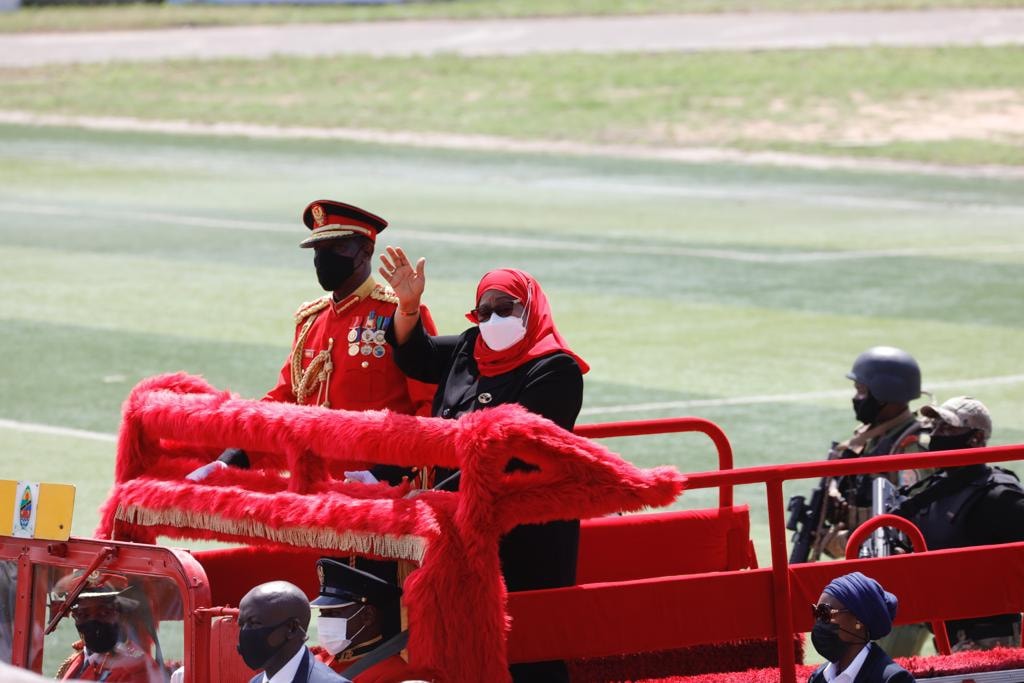
PHOTO COURTESY
Tanzania celebrated 60 years as a single nation, born from the union of Tanganyika and Zanzibar.
However, recent general elections, which resulted in the re-election of President Samia Suluhu Hassan, brutally exposed a hidden truth: the Union is strained, with deep-seated friction erupting into chaos every time the country goes to the polls.
The union was born out of a strategic agreement between Tanganyika’s leader, Julius Nyerere, and Zanzibar's new head of government, Abeid Karume, following the island's revolution against the constitutional monarchy established only months earlier.
While the merger provided stability, the terms of the Union, formalized around just 11 areas like defense, foreign relations, and citizenship, have never fully satisfied the Zanzibari appetite for autonomy or the mainland's sense of its own separate identity.
The islands of Zanzibar have historically acted as the flashpoint for electoral unrest because the elections there are viewed as a contest for genuine sovereignty.
Zanzibar has its own President and semi-autonomous government, and any perceived external interference is seen as an attack on its distinct political identity.
The period between 2011 and 2013, when Zanzibari nationalism peaked with widespread calls for secession, underscored the deep dissatisfaction with the balance of power, specifically the mainland’s perceived overreach into Zanzibar’s economic and political affairs.
Consequently, when national security forces, controlled by the Union Government, are deployed during elections, Zanzibaris often interpret it as the mainland suppressing their democratic rights, leading to severe clashes and accusations of repression that tragically mar the electoral landscape.
Compounding this strain is the political backlash that occurs when the President of the entire United Republic of Tanzania is a Zanzibari, as is the case with President Samia Suluhu Hassan. This situation instantly heightens mainland anxieties about the power dynamics within the Union.
The opposition’s loud calls to "bring back the government of Tanganyika" reflect a deep resentment, the feeling that a leader from the smaller, semi-autonomous partner is governing the larger entity, the mainland.
This political weaponization of identity is evident in the attacks on the President's key decisions, such as the eviction of the Maasai people from Ngorongoro and the controversial agreement with Dubai-based DP World for the Dar es Salaam port.
By accusing the Zanzibari President of "auctioning mainland land," the opposition exploits historical prejudices and fragility, making the union structure, rather than just the policy itself, the central target of their political campaign.
Ultimately, the persistent election-related chaos reveals a constitution that has simply not kept pace with contemporary realities.
Tags: Samia Suluhu Tanzania Abeid Karume, Julius Nyerere Editor's Pick

Share this article

Selestine Nyongesa
Experienced and versatile writer, dedicated to using my exceptional writing and editing skills to inform and advocate. My work focuses on educating and entertaining readers on a range of topics, with a particular expertise in matters of disability.