

Nairobi Association for the Deaf Chair Highlights Gaps and Successes in Kenya's Political and Social Landscape
Matters Disability Updated: 03 July 2026 22:28 EAT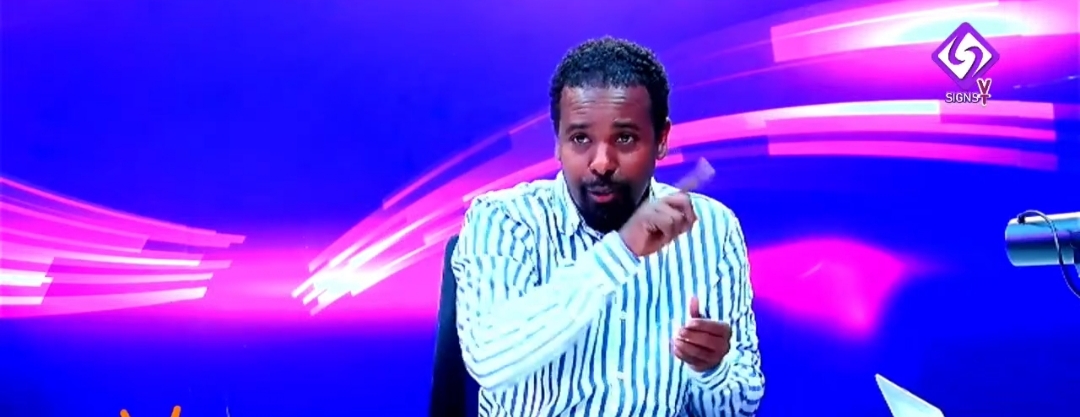
Photo courtesy:
In a comprehensive television broadcast on SignsTV's Breakfast Show, hosted by Bill Clinton, advocates converged to dissect the delicate intersection of disability inclusion and national politics. The discourse centered heavily on the recent passage of the Kenyan Sign Language (KSL) Bill by parliament, a legislative milestone intended to open doors and create institutional opportunities for deaf individuals across the republic. However, underlying the celebration of legislative progress was a poignant reminder of the historical lack of political goodwill and real intention from the state.
Appearing as the lead guest, Mr. Abdi Abdille—the chairperson of the Nairobi Association for the Deaf and an executive member of the United Democratic Alliance (UDA) Disability Congress—laid out the stark differences between policy formulation and practical implementation. Echoing the universal rallying cry of the movement, "nothing for us without us," Abil emphasized that while legal structures look promising on paper, government institutions and like-minded stakeholders have frequently treated disability inclusion as an afterthought rather than a core directive.
Addressing the role of political parties, Abil praised the UDA for implementing a foundational disability charter that directly facilitates political participation. He pointed out that while rival political outfits such as the Wiper Democratic Movement and the Development and Reforms Party (DCP) levy hefty nomination fees ranging between KSh 150,000 and KSh 200,000, UDA completely waives these costs for persons with disabilities (PWDs). This financial waiver, he argued, provides a realistic pathway for PWDs to exercise their constitutional right to vie for competitive seats such as Governor, Member of Parliament, and Senator.
Despite progressive party regulations, physical campaigns present immense logistical and safety hurdles for disabled politicians. Abil called out the recurring lack of accessible podiums and ramps at political rallies, which prevents physically challenged speakers from addressing crowds safely. Furthermore, he noted that political rallies rarely accommodate deaf citizens, emphasizing the urgent need for all major political parties to recruit qualified sign language interpreters to break communication barriers during the national campaign season.
Looking forward to future electoral processes, the Nairobi Association for the Deaf is targeting a minimum of 80% nomination representation for deaf individuals across county assemblies. Abil stated that counties must systematically guarantee that at least one person with a disability is nominated to sit within their local legislative arms. This demands a more proactive stance from the National Council of Persons with Disabilities (NCPWD) and the Independent Electoral and Boundaries Commission (IEBC) to carefully audit party lists and verify that selected nominees possess genuine credentials to represent the community.
Reflecting on the historical struggle for representation, Abil recalled a pivotal meeting held four years ago with the former parliamentary majority leader. That early engagement bore fruit when the administration appointed Kenya’s first deaf commissioner, Washington Opo. While that appointment laid the groundwork for policy understanding, the community insists that subsequent regimes have moved at a varied pace when it comes to fully realizing those agreed-upon frameworks.
On the socioeconomic front, Abil offered a surprisingly favorable assessment of President William Ruto’s administration regarding local infrastructural developments. Describing the president as a fast-moving "driver," Abil observed that newly constructed, clean, and modern roads within Nairobi County have significantly enhanced mobility for wheelchair users. These infrastructural improvements formed the basis for his support of the contested Finance Bill, as he noted that a nation must tax its citizens to successfully build hospitals and accessible public roads.
However, the reality of economic integration remains highly complex for the country's disabled workforce. Abil highlighted that the law mandates a 5% employment quota for PWDs across all sectors, yet mainstream job advertisements continue to lack inclusivity. Despite these systemic barriers, some progress has been logged through the Public Service Commission under Commissioner Hassan, resulting in 28 deaf individuals securing formal employment within the national government over the past year.
Kenya's deaf community has simultaneously proven its excellence internationally, particularly in the arena of sports. During last year's Deaf Olympics held in Japan, a Kenyan delegation of over 23 deaf athletes successfully clinched an array of gold, silver, and bronze medals. This sporting feat was met with substantial state rewards, where top medalists received cash awards ranging from KSh 2 million to KSh 10 million based on their respective categories, proving that sports remains a highly viable sector for empowerment.
Beyond public sports, localized institutional benefits are beginning to ease the financial burdens of everyday deaf professionals. Under existing frameworks, a deaf individual earning a base salary of KSh 40,000 can access a KSh 20,000 tax exemption specifically designated to help cover the costs of hiring personal sign language interpreters. Additionally, tax waivers on imported specialized vehicles and targeted employment allocations within Kenyatta National Hospital and national affordable housing units are gradually being utilized.
The conversation turned solemn as Abil addressed the recent wave of national street demonstrations and the safety of vulnerable citizens. While affirming that peaceful protest is a constitutional right for every Kenyan, he heavily condemned instances where rogue elements exploit protests to cause chaos. He explained that deaf or physically impaired individuals face heightened danger during chaotic disruptions, as they often cannot hear incoming threats or escape stampedes quickly.
A specific case of police brutality in Nakuru, where a disabled citizen was reportedly manhandled during a demonstration, prompted the NCPWD to author an official protest letter to the police service. Abil strongly reminded law enforcement officers that individuals with severe physical challenges, such as spinal cord injuries, are extremely fragile and must be handled with utmost care and human dignity. "We must follow the law and serve all people equally," Abil declared, warning that a lack of police caution could lead to fatal outcomes for innocent citizens.
In his concluding remarks, Abil pointed out a shifting demographic trend where effective local welfare policies have successfully minimized the number of Kenyan PWDs begging on urban streets. Regrettably, this vacuum has been filled by a sudden influx of disabled individuals arriving from neighboring countries like Uganda and Tanzania to beg along Nairobi's prominent thoroughfares, such as Kenyatta Street. He urged regional authorities to collaborate on human rights frameworks to address this cross-border migration humanely.
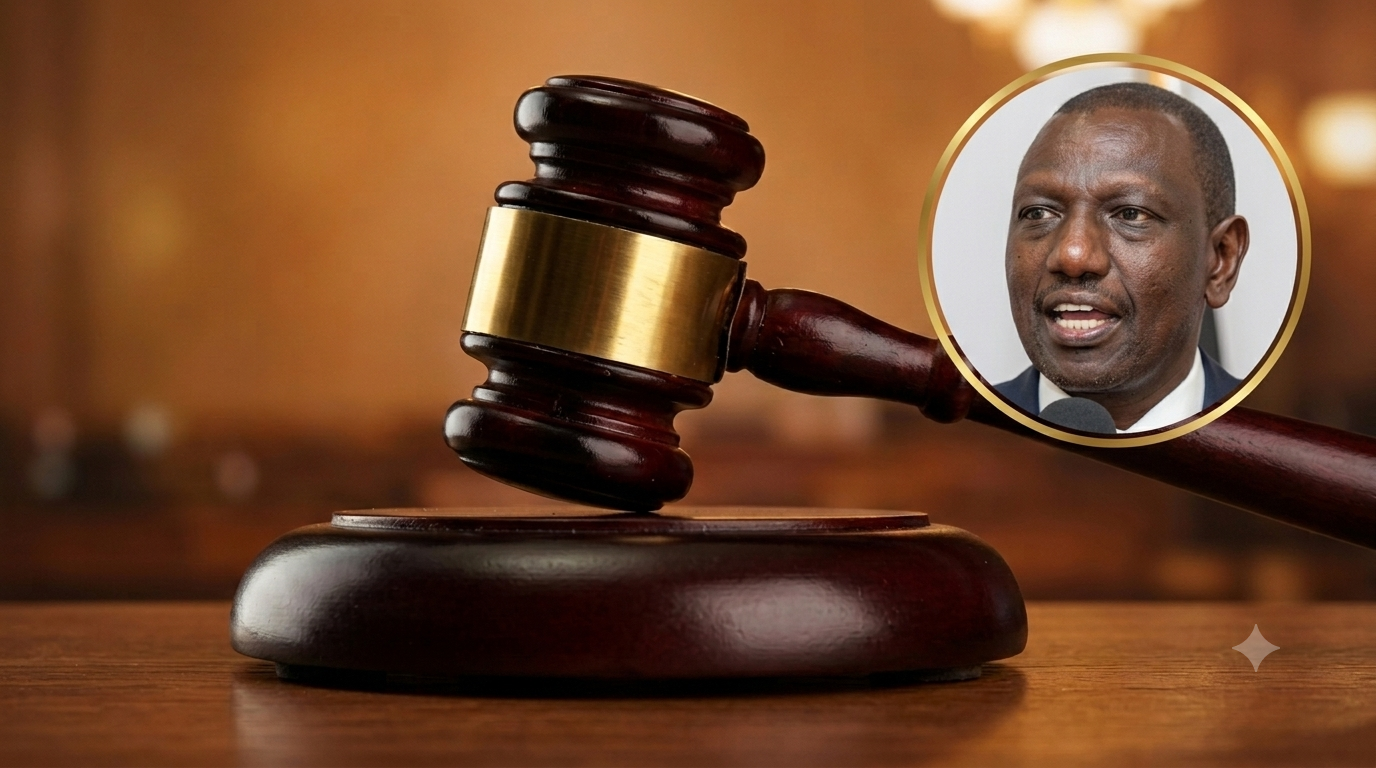
Ultimately, the Nairobi Association for the Deaf chairperson issued a strong appeal to President William Ruto to officially sign the completed disability charter and fully enforce the Kenyan Sign Language Bill. By integrating basic sign language instructions across all Kenyan schools, the nation can effectively bridge the social gap. The ultimate goal, as articulated by the leadership, is an inclusive society where English, Kiswahili, and Kenyan Sign Language stand together as the three co-official languages of the republic without any excuses.
Tags: Disability Disability Act Disability Inclusion Edit Editor's Pick Editors choice Matters Disaility National Council Of Persons With Disability ODM-UDA Pact Political Science Pwds Political Inclusion Ruto Meets Persons With Disabilities Signs Signs Media Signs Media Kenya Limited Signs Tv Signsmedia Signstv Signstvkenya Signsv Ssignstv Uda UDA UDA grassroot nominations Uda Party
Share this article
FELIX MAKONA
FACT FINDER AND DATA DRIVEN JOURNALIST. DATA MINING AT IT'S BEST. GET FACTS RANGING FROM MATTERS DISABILITY AND INCLUSION, POLITICS, ECONOMY, SPORTS AND GENERAL NEWS AROUND THE WORLD