

Jimi Wanjigi Revives Presidential Ambitions With Stark Warning On Kenya's Debt Crisis
News Updated: 01 June 2026 22:25 EAT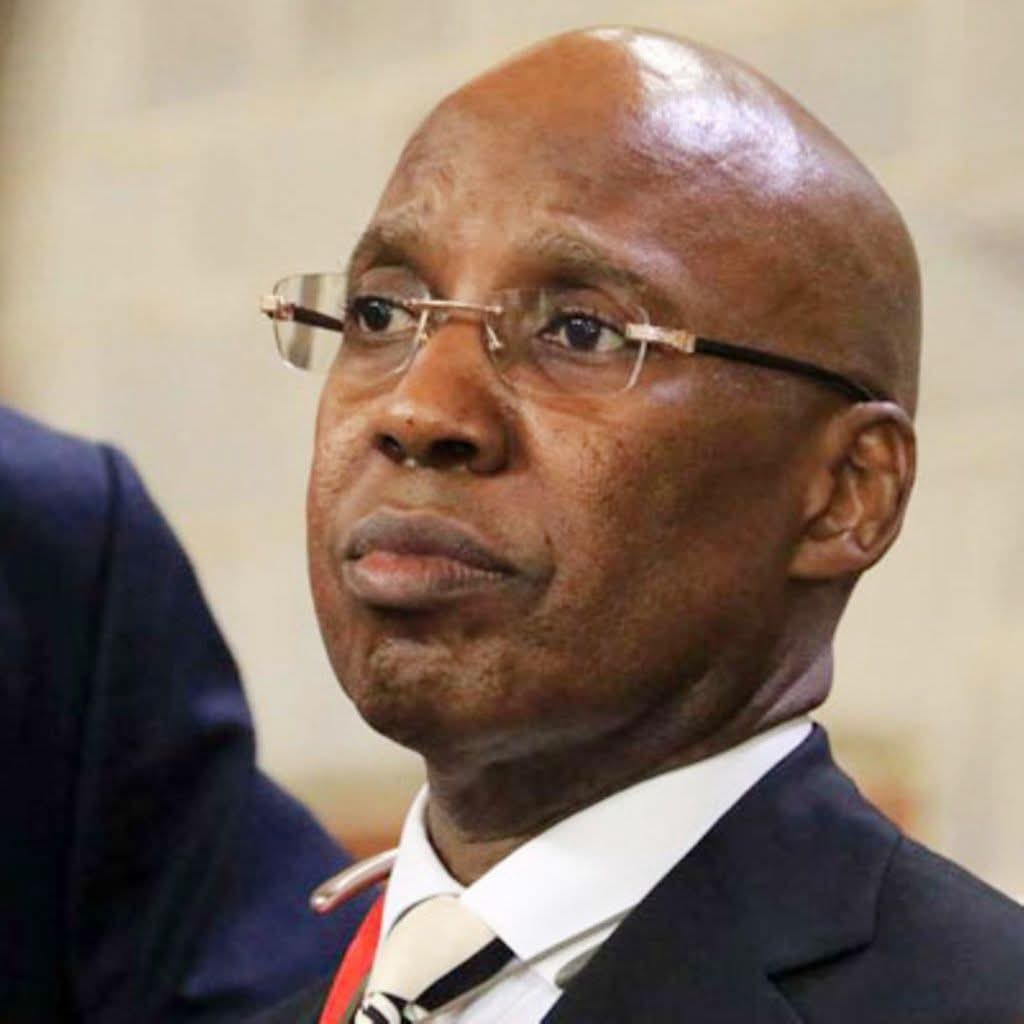
Safina Party Leader Jimmy Wanjigi
Businessman and presidential hopeful Jimi Wanjigi has resurfaced in Mombasa with a renewed push for the presidency, using a public address to present his vision for what he termed Kenya's "economic freedom." Speaking to supporters, Wanjigi argued that the country's economic challenges stem from a long-standing debt problem that has left citizens struggling despite the apparent circulation of money in the economy.
Addressing the crowd, Wanjigi framed the country's economic situation as a paradox in which money exists but remains inaccessible to ordinary citizens.
"Watu wanajua kina nimeulizwa tena ni kwa nini nataka kuwa rais? Unanisikia mkiona vipi au mnaona nini? Na shida yenu ni nini? Mnasema mnataka nini, pesa? Hii Kenya nani ako na pesa mnaweza kujua kwa nini hamna pesa saa hii? Hebu tell the people why they do not have the money at the moment. That we're in an economy that kuna pesa lakini hatuna pesa. Mmeshika hiyo swali? Ummeshika hiyo swali?"
Wanjigi said many Kenyans feel trapped in an economy where income is earned but quickly disappears through taxes, debt repayments and the rising cost of living. He maintained that the issue goes beyond any single administration and has developed over decades through policy choices that increased the country's dependence on borrowing.
The businessman argued that the root of the problem can be traced through successive governments, saying Kenya's debt burden did not begin with the current administration but has been building steadily over time.
"Nchi hii tuko na shida kubwa sana ya hela. Kweli ama si kweli? Na hiyo shida ya hela haikuanzia wakati tu wa huyu mjamaa anaitwa Kasongo. Yeye anasalia kiti anamake sure huo ugonjwa unaenda. Lakini tulianzia mahali, na hiyo mahali ndio tunasema tupo na dawa yake ya kuimaliza. Na tukiimaliza ndio tutapata huu uhuru wa uchumi. Mshike vizuri kwa sababu mkishika hii utajua uhuru wenu uko wapi."
Explaining his argument, Wanjigi told supporters that governments rely primarily on tax revenue and borrowing to finance their operations. He emphasized that understanding the relationship between taxes and debt was essential to understanding the country's economic difficulties.
"Serikali iko na mahali mbili ambayo inapata hela: ushuru ni moja, deni ni ingine. This is a very serious issue ambayo inatuhusu sisi wote. Serikali inapata pesa kwa njia mbili. Moja ni ushuru ambao tunawapatia kila siku. Si imekuwa kali? Haya, ingine ni deni. Kingine ni deni."
Wanjigi proceeded to compare debt levels inherited by different administrations, beginning with former President Daniel arap Moi and later President Mwai Kibaki. He argued that debt relative to government revenue was significantly lower during earlier periods than it is today.
"Wakati wa Moi si mnakumbuka Moi alikuwa rais, na alitoka tulikuwa tunalipa tu na pesa ya ushuru kwa hesabu. Ukishika ushuru na deni, hiyo ni kama three times ile pesa ambayo tunatoa kwa ushuru, kweli ama si kweli? Mara tatu. Wakati Kibaki alikuwa anaondoka alikuwa anapatia Uhuru Kenyatta... Kibaki akapunguza ikawa two times. Si tulikuwa tunaona hela wakati huo."
According to Wanjigi, the debt burden accelerated under subsequent administrations. He claimed that by the time President William Ruto took office, public debt had grown substantially relative to government revenue and continues to expand.
"Wakati Uhuru alimpatia huyu mjamaa... ushuru ulikuwa umefika trilioni, ni mingi lakini deni ambayo aliwachia huyu mtu ilikuwa kubwa zaidi. Saa hii ushuru umefika trilioni, ametunyanyasa kabisa, lakini deni imefika trilioni. Inaitwa five times. Mnashika vizuri hiyo hesabu imeingia? Haya, hiyo ni hesabu moja."
The presidential hopeful likened Kenya's fiscal situation to the everyday experiences of citizens who rely on digital loans and short-term borrowing to survive. He argued that many Kenyans are increasingly using debt to finance basic necessities rather than productive investments.
"Ni kama Fuliza yenu. Si ukipata hela kidogo wanakata ukiwa na loan? Kwanza niambie hapa kama kuna mtu ambaye hana loan na si loan ya biashara, loan ya kukula nani hana loan hapa? Nani hana deni hapa? Mkono juu. Sasa hiyo ndio uso wa serikali. Leta nimuonyeshe namna gani, msikize tena, tena msikize tena."
Wanjigi said the growing debt burden has reduced the government's ability to fund public services such as healthcare, education, electricity and infrastructure. He argued that as more revenue is directed toward debt servicing, less remains available for development programs that directly benefit citizens.
"Wakati wa Kibaki, Kibaki alirudisha chini ikawa shilingi kidogo ya ushuru inaenda kwa deni. Sasa si kulikuwa na hela ya kupatia sisi afya nzuri, barabara, stima, kila kitu? Hata free education ilikuwa. Wakati wa Uhuru ilianza kupanda tena, na ya ushuru wetu ambayo tunawapatia serikali ilikuwa inaenda kulipa madeni."
Looking ahead, Wanjigi painted a grim picture of the future if borrowing trends continue unchecked. He warned that an increasing share of tax revenue could eventually be consumed by debt obligations, leaving little room for government spending.
"Sasa tukizungumza hapa, kwa shilingi ya ushuru ambao tunapatia Kasongo, shilingi nyingi inaenda kwa madeni. Hana hela. Ile hela unaona anatembea nayo na anaringa nayo na anakuja kutudanganya nyinyi, anakopa kila siku bilioni tano ili akule hiyo maisha ambayo unaona. Bilioni tano wakati inakuja, pesa yote ya ushuru itakuwa inaenda kwa hiyo madeni."
Despite his criticism of the current administration, Wanjigi cautioned that removing one leader would not automatically solve Kenya's economic challenges. He said the debt problem is structural and requires a long-term strategy focused on fiscal discipline, debt management and economic reforms.
"Na ni sisi wote ambao tunaishea. Ndio twasema tusiwe tunakuja kweli ati tunawadanganya ati maisha ni mazuri. Yatakuwa mazuri hata ikitoa huyu kesho? Hiyo hali ya uchumi itakuwa na ikiwa huku tu inakuja hapa kaunti, inakuja kwa nyumba yako. Hiyo ni uso wa serikali kwa sababu serikali."
The remarks form part of Wanjigi's broader campaign to position himself as an alternative voice ahead of the 2027 General Election, with economic reform, debt reduction and what he calls "economic freedom" emerging as central pillars of his political message.
Tags: Political Parties Political Partys Politics Sign Language Signs Media Kenya Limited Signsmedia

Share this article

FELIX MAKONA
FACT FINDER AND DATA DRIVEN JOURNALIST. DATA MINING AT IT'S BEST. GET FACTS RANGING FROM MATTERS DISABILITY AND INCLUSION, POLITICS, ECONOMY, SPORTS AND GENERAL NEWS AROUND THE WORLD