

Israel‑Lebanon Conflict Drives Mass Displacement and Homelessness
News Updated: 06 March 2026 22:58 EAT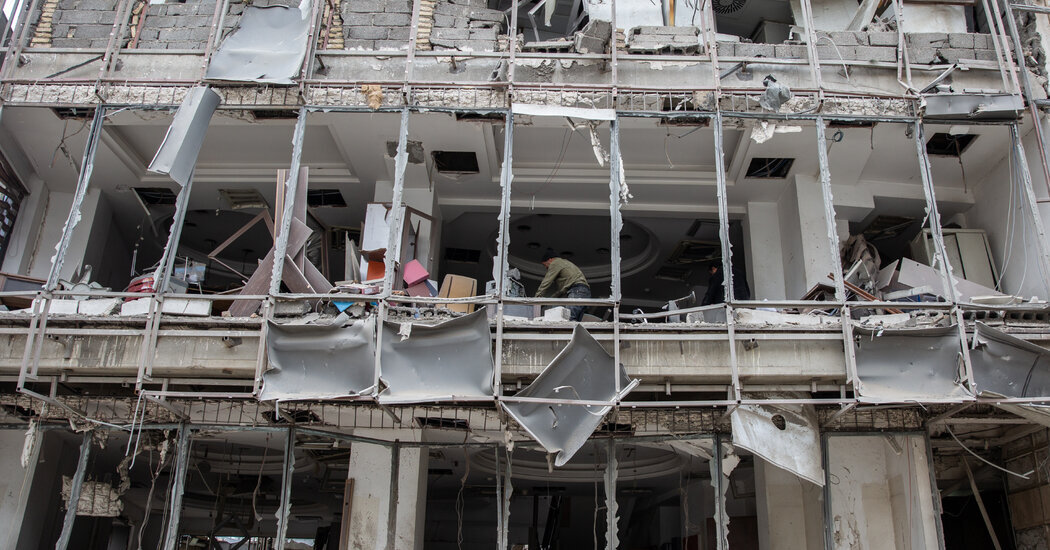
Israel’s attack on Hezbollah has led to mass displacements in Lebanon, worsening the humanitarian crisis.
Heavy Israeli airstrikes and evacuation orders have forced hundreds of thousands of Lebanese civilians from their homes, creating a rapidly worsening humanitarian crisis. Residential neighbourhoods in southern Lebanon, Beirut’s southern suburbs, and the Bekaa Valley have borne the brunt of bombardment and displacement.
Israeli military orders for mass evacuation have covered large swathes of territory, prompting chaotic scenes as families fled with few belongings. Emergency shelters in schools, community centres, and public buildings are filled to capacity, and many displaced people are now sleeping in cars or makeshift camps.
The Norwegian Refugee Council estimates that at least 300,000 people have already fled their homes within just a few days of intensified attacks, with the total number of displaced likely to rise sharply. Many displaced individuals remain outside official shelter sites, relying on relatives or friends for refuge.
A senior U.N. humanitarian official said that around 100,000 Lebanese have taken refuge in collective shelters, with available space quickly reaching its limit as displacement orders expand further. Panic and confusion over where to find safe haven continue to drive population movements.
Lebanese authorities report that ongoing Israeli strikes have killed more than 100 people and wounded hundreds, with residential buildings and key infrastructure severely damaged or destroyed. The bombardment has compounded existing vulnerabilities in a country already grappling with economic instability.
The displacement crisis has not been confined to Lebanon’s borders. Syrian agencies say tens of thousands of Syrians living in Lebanon have crossed back into Syria to escape the violence, adding to cross‑border movement that strains regional humanitarian resources.
Humanitarian organisations on the ground, including medical relief agencies, are scaling up emergency efforts to provide bedding, clean water, hygiene supplies, and medical support to newly displaced families. However, aid delivery is challenged by damaged infrastructure and ongoing hostilities.
Rights groups have raised concerns about the legality of the evacuation orders, saying they resemble forced displacement under international humanitarian law, which prohibits the transfer of civilian populations in armed conflict except under narrow, protective circumstances.
International calls for de‑escalation are growing as regional tensions widen, with neighbouring states urging restraint and seeking diplomatic avenues to limit further civilian suffering. Aid appeals have been launched, but funding currently falls far short of needs as displaced populations continue to swell.
Reconstruction prospects are uncertain, with whole communities now lacking safe access to their homes due to destruction or ongoing military activity. The displacement is shaping up to be one of the most severe humanitarian episodes in Lebanon in recent years, with long‑term impacts expected on housing, healthcare, and social stability.
Economic strains in Lebanon, already deep from years of crisis, are compounded by the influx of internally displaced people, placing added pressure on food supplies, water systems, and basic services in host regions. Humanitarian agencies highlight an urgent need for international support to prevent further deterioration.
Officials warn that unless hostilities ease and safe corridors are secured, displacement figures could rise well beyond current estimates, potentially affecting a significant portion of the Lebanese population. The movement of civilians northward is likely to continue amid failed attempts to find immediate respite from conflict.
The crisis underscores the fragility of civilian life in conflict zones, where repeated waves of violence have uprooted families multiple times, complicating efforts to return and rebuild. Recent waves of displacement echo patterns seen in previous flare‑ups, but at an accelerated and more geographically widespread scale.
Lebanese aid officials have called for urgent humanitarian corridors and clear information for civilians still trapped in conflict zones, emphasising that timely assistance could avert further loss of life and suffering.
The United Nations and partner organisations are pressing for immediate ceasefire talks, even as hostilities continue to hamper negotiations. Diplomatic efforts aim to curb civilian displacement and ensure greater protection for non‑combatants.
As the conflict unfolds, the scale of displacement and homelessness in Lebanon has emerged as a defining humanitarian challenge — one that will demand sustained international attention and resources if fundamental needs are to be met.
Tags: Donald Trump Iran Iran Nuclear Deal Signs Media Kenya Limited Signsmedia Signstv Signstvkenya Trump Trump Donald Usa



Share this article

FELIX MAKONA
FACT FINDER AND DATA DRIVEN JOURNALIST. DATA MINING AT IT'S BEST. GET FACTS RANGING FROM MATTERS DISABILITY AND INCLUSION, POLITICS, ECONOMY, SPORTS AND GENERAL NEWS AROUND THE WORLD