
Iran Withdraws From 2026 World Cup After Supreme Leader Killed
Sports Updated: 11 March 2026 21:20 EAT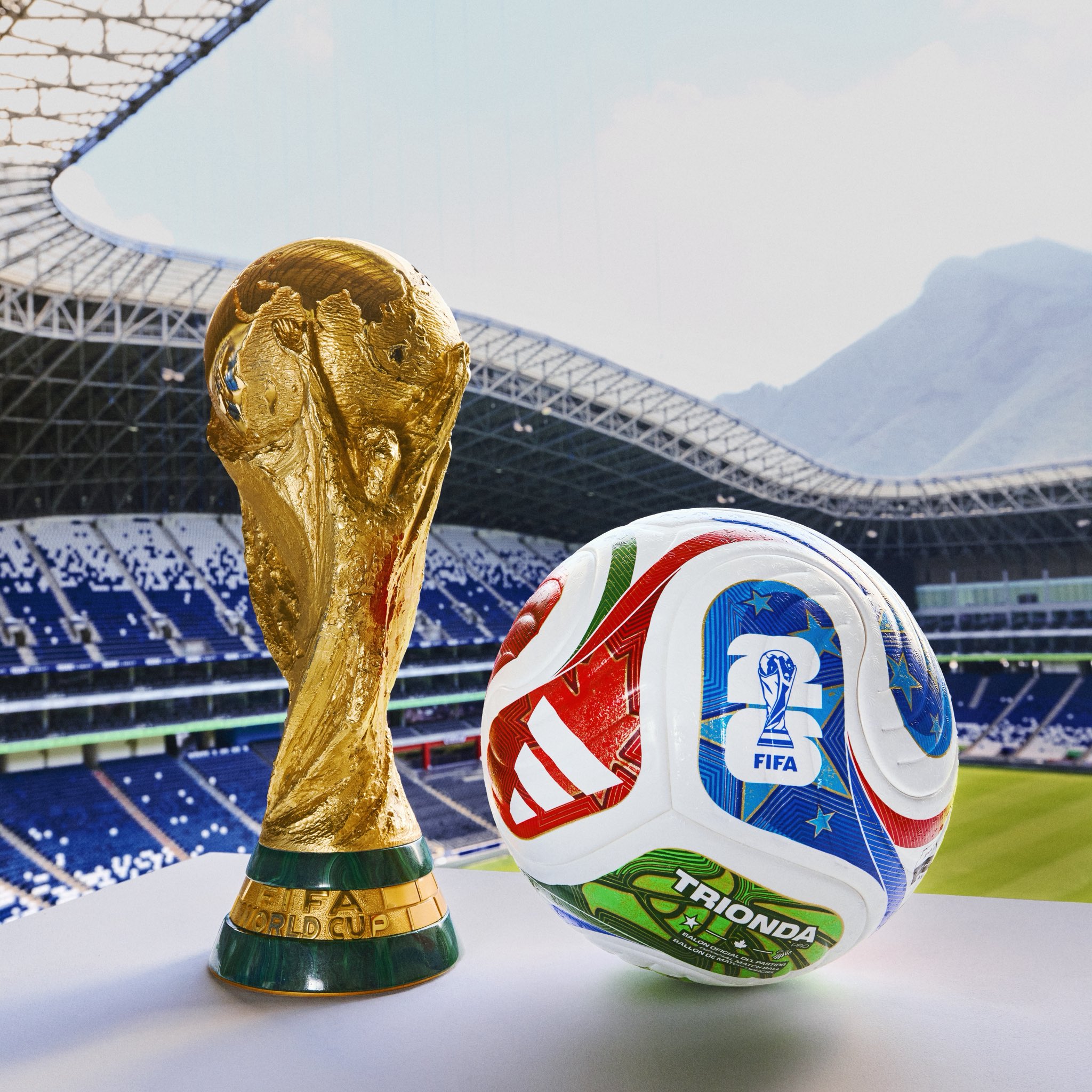
Iran has officially declared it will not participate in the 2026 FIFA World Cup following the killing of its Supreme Leader Ayatollah Ali Khamenei in recent airstrikes by the United States and Israel. Sports Minister Ahmad Donyamali announced the decision on state television, citing national safety concerns and the ongoing conflict in the region.
Donyamali described the attacks as an assassination and said that, under the current conditions, Iran cannot send its team abroad. He emphasized that the security situation is unsafe for Iranian athletes and staff, asserting that “under no circumstances” can Iran play in the tournament.
The 2026 World Cup, scheduled to run from June 11 to July 19, will be jointly hosted by the United States, Mexico, and Canada. Iran had already qualified for the tournament and was drawn into Group G alongside Belgium, Egypt, and New Zealand. All of Iran’s group-stage matches were set to take place in U.S. cities, including Los Angeles and Seattle.
Iran’s absence from a recent FIFA planning summit in Atlanta had fueled speculation about whether the team would attend. Officials reported that the recent strikes have resulted in significant civilian casualties, intensifying fears for the safety of athletes and staff traveling abroad.
FIFA President Gianni Infantino had previously stated that Iran would be welcome to participate, noting assurances from the U.S. administration. Despite these reassurances, the Iranian sports minister remained firm, citing ongoing threats to the nation’s security.
Under FIFA regulations, a qualified team that withdraws less than 30 days before the first match faces a minimum fine, and additional disciplinary actions could include expulsion from future competitions or replacement by another qualified team.
Iran had also selected Tucson, Arizona, as its base camp for tournament preparations, a plan now thrown into uncertainty. The decision to withdraw is expected to have major implications for scheduling, logistics, and the competitive landscape of Group G.
Officials in Tehran say the withdrawal is a matter of national security and principle, not politics, but it comes amid escalating tensions following military strikes in the region.
While FIFA has not yet issued a formal response to Iran’s announcement, discussions are expected soon regarding the potential replacement of the Iranian team and adjustments to the tournament schedule.
The 2026 World Cup marks the first edition to be hosted across three countries, and Iran’s withdrawal highlights the challenges global sporting events face amid geopolitical crises.
Team officials, coaches, and players have yet to issue public statements, leaving questions about the impact on Iran’s national squad and future international engagements.
The situation adds a new layer of uncertainty to the tournament, with Group G now facing potential reshuffling. Fans and organizers alike are watching developments closely, as FIFA prepares contingency plans.
Iran’s withdrawal decision follows weeks of heightened tension, following military operations that have affected both civilian populations and state leadership. The move underscores how global conflicts can directly influence international sports.
Analysts suggest that Iran’s decision could set a precedent for other nations in regions experiencing conflict, signaling the complex interplay between sports diplomacy and national security.
As preparations for the 2026 World Cup continue, officials from FIFA and host countries are expected to meet urgently to address the implications of Iran’s withdrawal and ensure that the tournament proceeds smoothly.
Tags: Signs Media Kenya Limited Signsmedia Signstvkenya Edit Editor's Pick Fifa 2026 World Cup Fifa World Cup Qatar Iran Sports Journalism World Cup World Cup 2026

Share this article
FELIX MAKONA
FACT FINDER AND DATA DRIVEN JOURNALIST. DATA MINING AT IT'S BEST. GET FACTS RANGING FROM MATTERS DISABILITY AND INCLUSION, POLITICS, ECONOMY, SPORTS AND GENERAL NEWS AROUND THE WORLD