

Hormuz Reopening Raises Hope for Lower Fuel Costs, But Kenya May Wait Longer for Relief
News Updated: 15 June 2026 20:21 EAT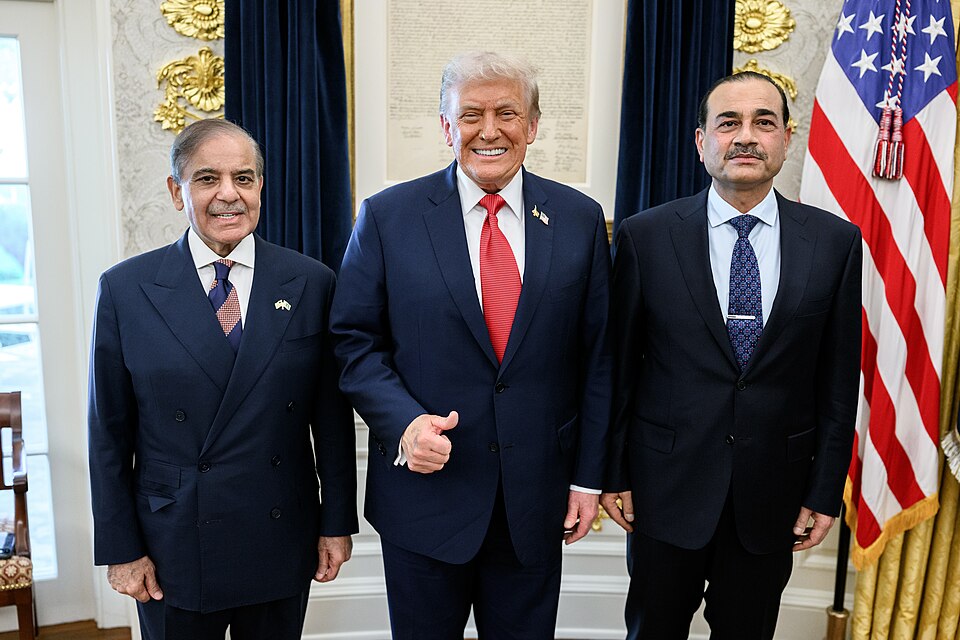
Photo Courtesy
President Donald Trump has announced that the United States and Iran have reached an agreement aimed at ending months of conflict and reopening the Strait of Hormuz, one of the world’s most critical oil shipping routes. The agreement is expected to be formally signed in Switzerland later this week.
The announcement immediately drew global attention because the Strait of Hormuz carries a substantial share of internationally traded crude oil. Disruptions during the conflict had contributed to sharp increases in oil prices and concerns over energy security.
Following the announcement, international oil markets reacted quickly. Benchmark crude prices declined as traders anticipated reduced geopolitical tensions and the possibility of oil supplies moving more freely through the region.
Trump stated that the Strait would become fully open again, allowing commercial shipping operations to normalize and easing pressure on international energy markets after months of uncertainty.
However, analysts say reopening the waterway does not automatically mean oil exports return to full capacity overnight. Shipping companies, insurers and logistics operators still need confirmation that conditions remain stable and safe.
The recent Middle East conflict had triggered volatility across global markets, pushing up transport costs and increasing concern among fuel-importing countries about future supply shortages.
For Kenya, developments in Hormuz are closely watched because the country imports petroleum products and remains exposed to fluctuations in international oil markets and shipping costs.
The recent rise in Kenyan fuel prices has increased pressure on transport operators, businesses and households, leading many consumers to question whether relief could arrive quickly.
Energy experts note that falling crude prices do not immediately translate into lower pump prices in Kenya. Imported fuel often reaches local markets weeks after purchase agreements are completed.
Kenya’s fuel pricing system considers several factors including international purchase costs, freight charges, taxes, exchange rates and stabilization measures before retail prices are reviewed.
As a result, even if global oil prices continue to fall, immediate reductions at fuel stations this weekend remain uncertain unless broader market conditions improve and remain stable.
Market observers say the more important signal will be whether oil prices remain lower over several days and whether shipping activity through Hormuz resumes without further disruptions.
For now, the agreement has improved confidence in global energy markets and raised expectations of lower import costs in the future, but Kenyan motorists may need to wait for upcoming fuel review cycles before any noticeable relief reaches the pump.
Tags: Signs Media Kenya Limited Signsmedia Signstvkenya Ceasefire Expire Donald Trump Editors choice Iran Iran Nuclear Deal Iran Signs United States Israel VS Iran war


Share this article

FELIX MAKONA
FACT FINDER AND DATA DRIVEN JOURNALIST. DATA MINING AT IT'S BEST. GET FACTS RANGING FROM MATTERS DISABILITY AND INCLUSION, POLITICS, ECONOMY, SPORTS AND GENERAL NEWS AROUND THE WORLD