

High Court Dismisses Rastafarian Bid To Legalise Bhang For Religious Use
Lifestyle Updated: 15 July 2026 17:10 EAT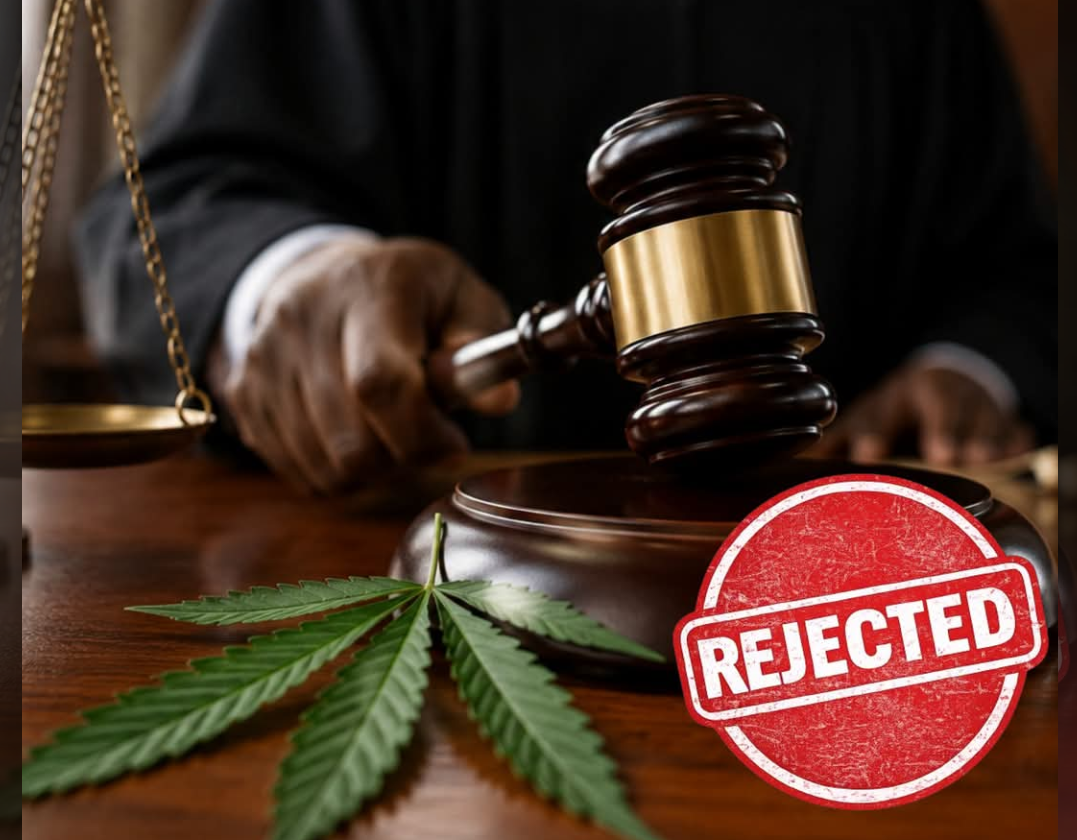
Photo courtesy
The High Court has dismissed a petition seeking to allow members of the Rastafarian community to use cannabis, commonly known as bhang, for religious purposes, ruling that the petitioners failed to prove that Kenya’s drug laws violate their constitutional rights.
Justice Bahati Mwamuye rejected the petition, stating that the applicants did not provide sufficient evidence to demonstrate that cannabis use was an essential religious practice protected under the Constitution or that the existing laws unfairly infringed on their freedom of worship.
The petition had been filed by members of the Rastafarian community who argued that bhang was a sacrament central to their faith and that banning its use amounted to discrimination and interference with their freedom of religion.
The petitioners had asked the court to declare sections of the Narcotic Drugs and Psychotropic Substances (Control) Act unconstitutional to the extent that they criminalise the possession and use of cannabis for religious purposes.
In its ruling, the court maintained that Kenya’s laws prohibiting the possession, cultivation and use of cannabis remain valid and apply to all persons, including religious groups seeking exemptions.
Justice Mwamuye found that while the Constitution protects freedom of religion and belief, such protection does not automatically exempt religious practices from laws designed to regulate controlled substances.
The court noted that the petitioners had not demonstrated that criminalising cannabis use created an unjustified limitation on their constitutional rights.
The ruling means members of the Rastafarian community will not be allowed to use bhang as part of religious practices under Kenyan law, unless Parliament changes the existing legal framework.
Cannabis remains classified as a prohibited substance under the Narcotic Drugs and Psychotropic Substances (Control) Act, which provides penalties for unlawful possession, cultivation and trafficking.
The case brought into focus the legal balance between freedom of religion and the government’s responsibility to regulate substances considered harmful to public health and safety.
The petitioners had argued that Rastafarianism recognises cannabis as a spiritual substance used during worship and meditation, but the court found that the evidence presented did not establish a constitutional basis for an exemption.
The decision preserves the current position in Kenya where religious belief alone does not provide a legal defence for possession or use of bhang.
Tags: Editor's Pick Editors choice Signs Signs Media Kenya Limited Signs Tv Signsmedia Signstv Signstvkenya Bhang High Court Rastaman

Share this article

FELIX MAKONA
FACT FINDER AND DATA DRIVEN JOURNALIST. DATA MINING AT IT'S BEST. GET FACTS RANGING FROM MATTERS DISABILITY AND INCLUSION, POLITICS, ECONOMY, SPORTS AND GENERAL NEWS AROUND THE WORLD