

Bolivia Declares State of Emergency as Protests Enter Seventh Week
News Updated: 20 June 2026 18:25 EAT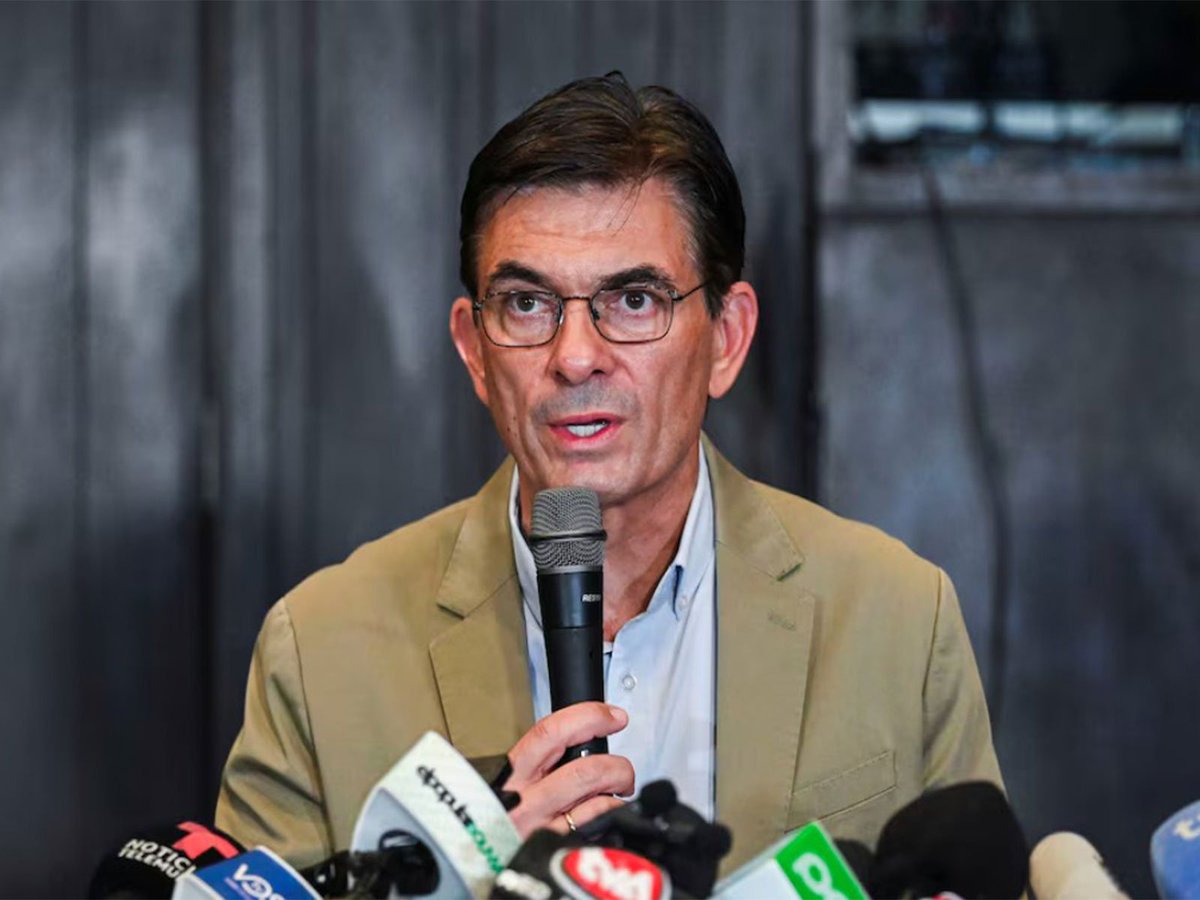
Bolivia’s President Rodrigo Paz declared a state of emergency amid a 50-day blockade halting the economy.
Bolivian President Rodrigo Paz has declared a nationwide state of emergency after more than six weeks of anti-government protests and road blockades, saying all efforts to negotiate an end to the crisis had failed. The move marks the most significant escalation yet in a political and economic standoff that has increasingly disrupted daily life across the country.
In a national address delivered on Saturday, Paz said the government had exhausted all channels of dialogue and accused sections of the protest movement of moving beyond social grievances into attempts to destabilize democratic institutions. Authorities maintained that emergency powers would be used to restore order and maintain essential services rather than limit ordinary civilian freedoms.
The emergency declaration authorizes wider deployment of security forces and military support to clear major transport corridors that have remained blocked for weeks. Officials said reopening roads is intended to restore the movement of fuel, food supplies and medical services in areas affected by shortages.
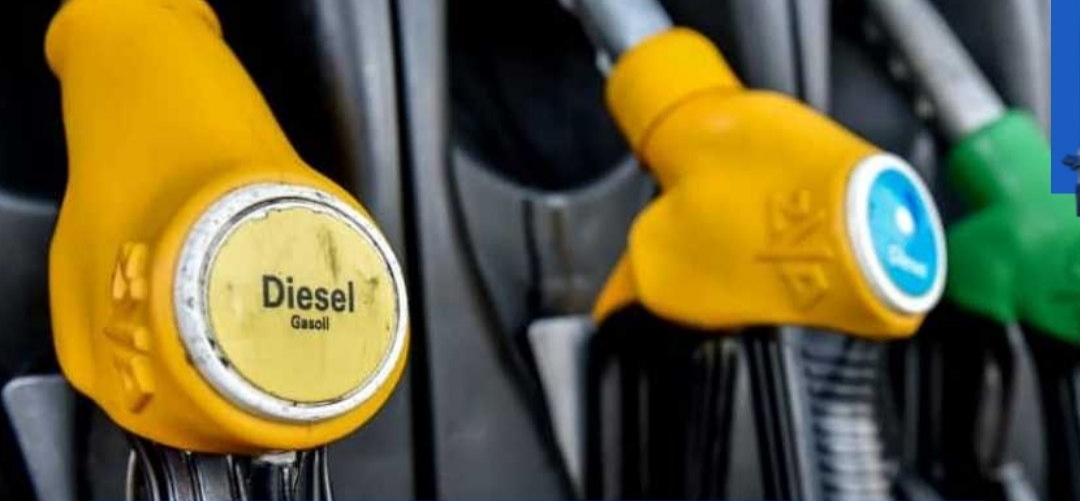
The demonstrations began in May following economic reforms introduced by the Paz administration, particularly the removal of long-standing fuel subsidies and broader austerity measures aimed at easing fiscal pressure. What began as economic protests later expanded into broader political demands, including calls for the president’s resignation.
Large parts of the country have experienced prolonged road closures, with disruptions reported around La Paz and other strategic transport routes. The blockades have slowed supply chains and increased pressure on households and businesses already facing higher living costs.
The government reached an agreement with the Bolivian Workers’ Confederation in an effort to reduce tensions, but several protest groups remained outside the negotiations and continued demonstrations. Rural and Indigenous organizations have argued that their economic and political concerns remain unresolved.
President Paz has repeatedly accused supporters of former president Evo Morales of helping sustain the unrest. Morales has rejected those claims and argued that the protests are rooted in worsening economic conditions and dissatisfaction with government policy.
The crisis has already carried a heavy social and economic toll. Reports indicate shortages of fuel and medicine, interruptions to healthcare access and multiple fatalities linked to the wider disruption caused by the protests and blockades.
The declaration now places Paz’s administration under intense pressure to show that emergency measures can stabilize the country without deepening divisions. Observers say the coming days are likely to determine whether Bolivia moves toward de-escalation or enters a more prolonged period of political confrontation.
Tags: Bolivia Protests Rodrigo Paz Signs Signs Media Signs Media Kenya Limited Signs Tv Signsmedia Signst Signstv SignsTV Signstvfao Signstvkenya Signsv

Share this article

FELIX MAKONA
FACT FINDER AND DATA DRIVEN JOURNALIST. DATA MINING AT IT'S BEST. GET FACTS RANGING FROM MATTERS DISABILITY AND INCLUSION, POLITICS, ECONOMY, SPORTS AND GENERAL NEWS AROUND THE WORLD