

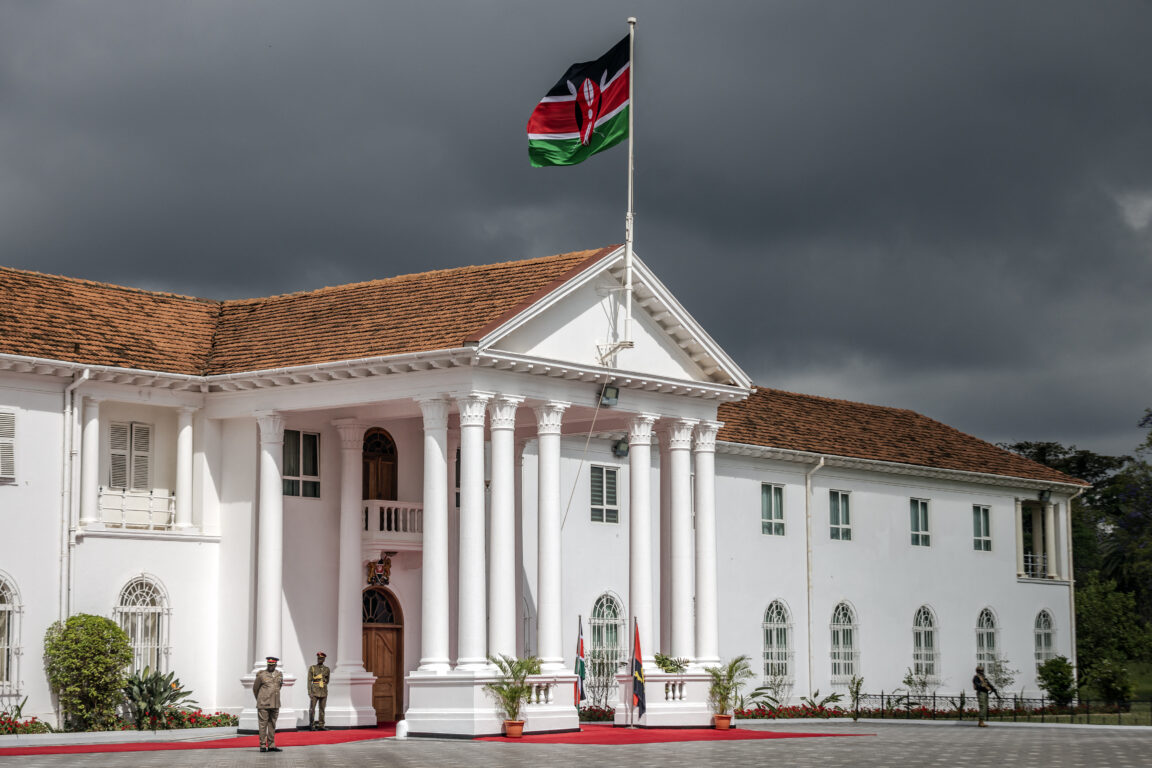
It is a common refrain in Kenyan political discourse to hear people say, "We are in government" or "We are not in government." However, these statements often stem from a misunderstanding of how our state is structured. To truly understand who is "in" government, we must look at the blueprint of our nation: The Constitution of Kenya 2010.
Here is a breakdown of how our government is structured and why, technically, the government encompasses far more than just the winning political coalition.
What is "The Government"?
Under the 2010 Constitution, the government was decentralized and devolved to move power away from a single center and bring services closer to the people. While we owe allegiance to one Republic, that Republic functions through a system of Arms and Levels.
1. The Three Arms of Government
The government is divided into three distinct branches to ensure checks and balances, as outlined in Chapters Nine and Ten of the Constitution:
The Executive: Consists of the President, Deputy President, and the Cabinet. Per Article 129.
The Legislature (Parliament): Comprising the National Assembly and the Senate. According to Article 94.
The Judiciary: Headed by the Chief Justice. Article 160 ensures the independence of the Judiciary, which is responsible for administering justice and interpreting the law.
2. The Two Levels of Government
Kenya operates under a devolved system. Article 1(4) and Article 6 of the Constitution establish that the governments at the national and county levels are distinct and interdependent.
The National Government: Manages national affairs and is oversighted by the National Assembly.
The County Governments: There are 47 county governments, each with its own Executive (headed by a Governor) and its own independent Legislature (the County Assembly).
The Senate, as established under Article 96, exists specifically to represent the counties and serve their interests, ensuring that devolution is protected and counties are adequately funded.
Who is "In" Government?
When an individual is elected to office, they become state officers, and according to Articles 10 and 129, these leaders are mandated to serve all Kenyans, regardless of how those citizens voted.
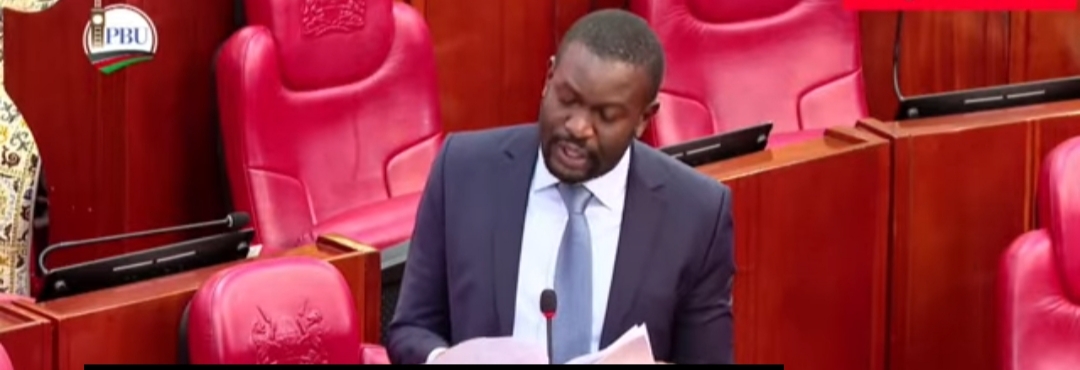
The Minority in Government are Members of Parliament who do not belong to the President’s/governor’s party are still part of the Legislative arm of government. They are paid by the taxpayer to perform the constitutional function of oversight.
Conclusion
The idea that "we are not in government" is often a political sentiment rather than a legal reality. If you hold an elective, appointive, or oversight role, you are part of the machinery of the State.
As long as you are a Kenyan citizen, the government by constitutional design is meant to serve you in health, education, and infrastructure amongst many other services. We are all stakeholders in this government, regardless of political affiliation, because the Constitution ensures that leadership is a responsibility to the public, not a reward for a specific group.
So we are all in the government; we are the government.
Tags: Editor's Pick


Share this article

Kasanga johnson
Kasanga is a seasoned journalist covering politics, business, and technology. @KasangaJohnson, @SignsTVKenya