
The Dual Reality of FIFA World Cup 2026: A Landmark for Inclusion, a Crisis for Access
Sports Updated: 12 June 2026 07:51 EAT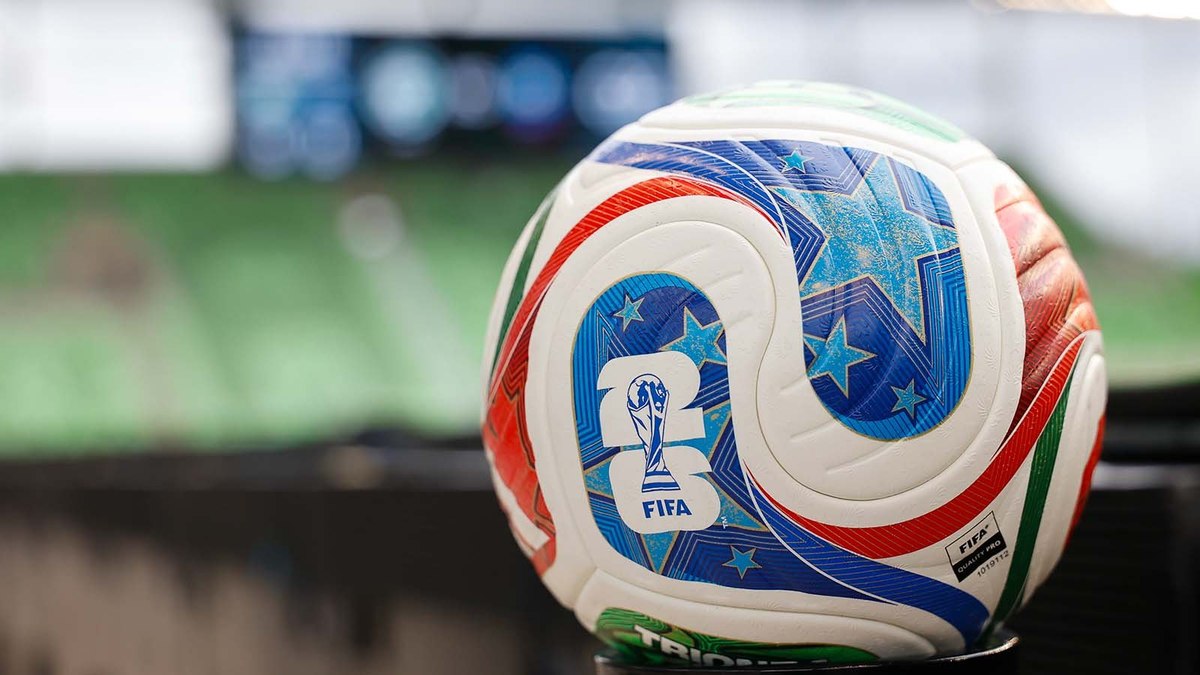
Photo Courtesy.
The FIFA World Cup 2026 has officially arrived, promising to be the largest and most ambitious sporting event in human history.
Spanning three host nations—the United States, Canada, and Mexico—and expanding to an unprecedented 48-team format, FIFA’s core message has been clear, this is a tournament built for global unity and total inclusivity.
Yet, as the opening matches kick off, a striking paradox has emerged. On one hand, the tournament is breaking revolutionary barriers in stadium accessibility, neurodiversity inclusion, and deaf community access.
On the other hand, it is mired in a severe geopolitical crisis at passport control, where strict visa policies and travel bans are locking out the very world the tournament claims to unite. As the eyes of billions turn to North America, we look closely at the dual reality of World Cup 2026: a masterclass in infrastructure inclusion, shadowed by a crisis of human exclusion.
The Triumph: Breaking Barriers in Accessibility
Architecturally and socially, the 2026 World Cup has achieved historic milestones in making live sport truly equitable for fans with disabilities.
1. A Historic First for the Deaf Community:
In a massive victory for the deaf and hard-of-hearing community, FIFA officially announced that the 2026 tournament will feature dedicated sign language broadcasts for all 104 matches, a first in World Cup history.
This groundbreaking service is highly localized to cater to the host territories: U.S. and Canada Venues: Matches will feature American Sign Language (ASL) commentary. Mexico Venues: Matches will utilize Mexican Sign Language (LSM).
The Knockout Rounds: The final tournament stretch will primarily use ASL, with LSM provided for high-profile matches featuring Spanish-speaking nations. Rather than just dry translation, these broadcasts are engineered to transmit the raw emotion of the game.
Interpreters convey live tactical commentary, stadium-wide public safety announcements, and the exact energy of the venue—including crowd cheers, referee whistles, and halftime musical performance lyrics. Fans both inside the stadium and watching worldwide can instantly access this stream via the "Accessibility Services" tab under the "Stadiums" section of the official FIFA World Cup 2026 App.
Sensory Inclusive Stadiums. Simultaneously, the 2026 tournament is the first mega-sports event to receive official Sensory Inclusive certification from the national non-profit KultureCity.
For decades, the roars of a football stadium meant that neurodivergent fans, individuals with autism, PTSD, dementia, and severe anxiety were effectively left on the sidelines.
Dedicated Sensory Rooms: Presented by Hisense, every single one of the 16 host stadiums features built-in, state-of-the-art sensory quiet spaces.
These rooms provide dimmed lighting, sound reduction, tactile calming resources, and specialized relaxation visual tech.
Mobile Sensory Units & Staff: Mobile units extend these quiet zones into the massive Fan Festivals outside the stadium gates, backed by thousands of venue staff strictly trained in sensory regulation.
2. The Expansion
Football Belongs to the World. By abandoning the traditional 32-team bottleneck for a 48-team group stage, FIFA structurally democratized the pitch.
Historically, the World Cup has been dominated by European and South American slots, leaving vast football-obsessed regions heavily underrepresented. The 2026 expansion intentionally shifts the balance, with Africa having secured 10 slots from 5, Asia and the CONCACAF region received massive qualifying boosts of 8 and 9 slots respectively.
This layout welcomes nations that rarely or never grace the world stage, proving that elite football no longer belongs to an exclusive continental club.
3. The Shadow:
The Visa Crisis and Geopolitical Exclusion.
Despite these profound internal strides, a tournament cannot be truly inclusive if the world cannot physically cross the border to get there.
The 2026 World Cup faces its steepest hurdle not on the pitch, but at consulate windows. Human rights organizations like Amnesty International have sounded urgent alarms over severe travel restrictions, diplomatic freezes, and visa rejections that are casting a shadow over the event.
More than a dozen members of Iran's senior backroom staff were denied entry visas ahead of their opening games. Even more damaging to the tournament’s image are the viral videos showing the Senegal and Uzbekistan national teams being subjected to aggressive, tarmac-level luggage searches and pat-downs immediately upon touchdown in the U.S., sparking widespread public outrage and allegations of racial profiling.
The Visa Freeze:
Compounding the crisis, recent U.S. executive immigration directives ordered a complete freeze on visa processing for fans from 15 participating nations. This sweeping ban impacts powerhouse traveling fanbases, threatening to leave stadium seats empty and fragment the co-hosting alliance among the U.S., Canada, and Mexico.
Another unfortunate incident that has cast a shadow over the 2026 FIFA World Cup is the exclusion of Somali referee Omar Abdulkadir Artan, the first referee from Somalia ever selected to officiate at a FIFA World Cup. Despite reportedly holding valid travel documentation, Artan was denied entry into the United States, forcing him to miss out on football’s biggest stage.
The incident has sparked global concern, raising fresh questions about the contradictions surrounding a tournament widely promoted as a symbol of diversity, inclusion, and unity. For many, the unfortunate treatment of Omar Artan highlights the deeper barriers that continue to challenge football’s promise of equal opportunity for all, both on and off the pitch.
The Verdict.
2026 FIFA World Cup is a vivid case study in modern progress. It proves that we possess the technology, empathy, and organizational will to make public spaces profoundly accessible to individuals of all physical, auditory, and neurological needs. However, it also serves as a stark warning, true inclusion cannot exist in a vacuum.
When a global sporting body awards a tournament to nations with hyper-restrictive border policies, the beautiful game inevitably becomes subverted by local geopolitics.
As the matches progress, World Cup 2026 will be remembered for two things. The beautiful steps it took to open stadium doors to everyone inside, and the geopolitical walls that kept thousands locked outside.
Tags: FIFA World Cup 2026 Edit Editor's Pick Editors choice News Article Signs Media Kenya Limited Signsmedia Signstvkenya Sports City Sports Journalism



Share this article