

Ruto Vs Sifuna: The Contrasting Paths To State House In 2027
Politics Updated: 27 July 2026 09:25 EAT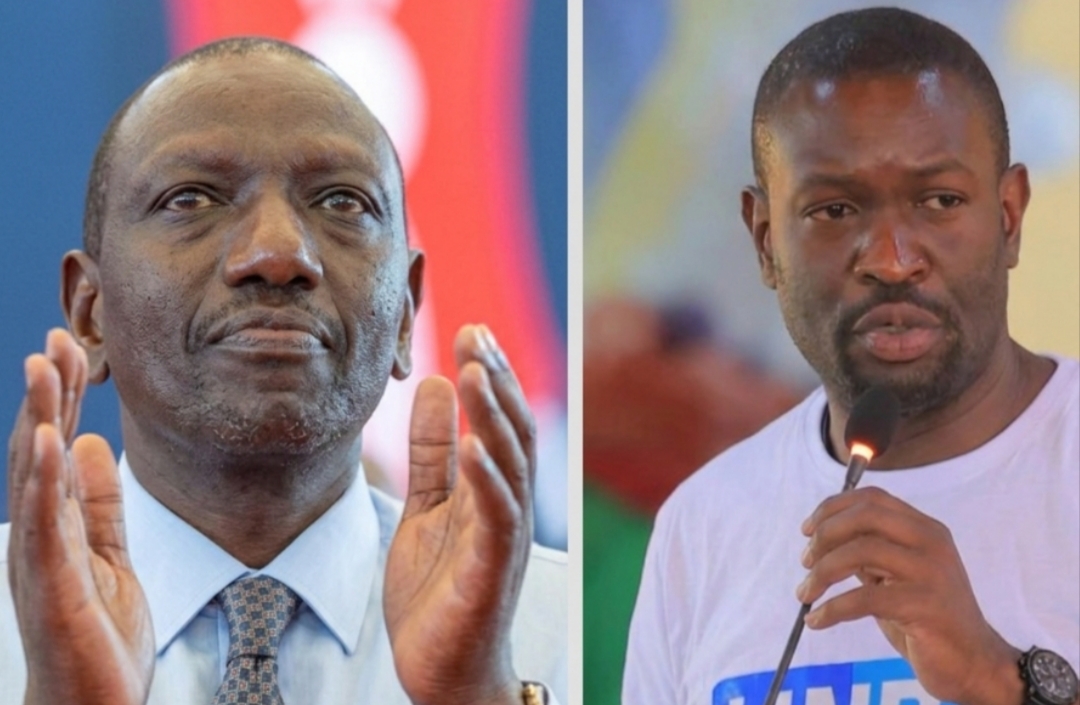
Photo Courtesy: President William Samoei Ruto and The Embattled ODM Secretary General who is Linda Mwananchi faction Leader Edwin Sifuna
As political activity intensifies ahead of Kenya's 2027 General Election, Nairobi Senator Edwin Sifuna has emerged as one of the country's most visible opposition figures, while President William Ruto continues to consolidate support as the incumbent. Although Sifuna has not officially declared his presidential candidature, his nationwide political engagements have fuelled speculation that he could play a central role in the race if selected by the opposition.
President Ruto enters the next election with the significant advantage of incumbency. As Head of State and Government, he oversees the implementation of national policies, chairs Cabinet meetings, directs the Executive and remains the face of Kenya's diplomatic engagements, giving him continuous national visibility.
Unlike Ruto, Sifuna's influence has largely been built through opposition politics. As Nairobi Senator and ODM Secretary-General, he has consistently travelled across the country addressing public rallies, defending opposition positions and criticising government policies on the economy, governance and accountability.
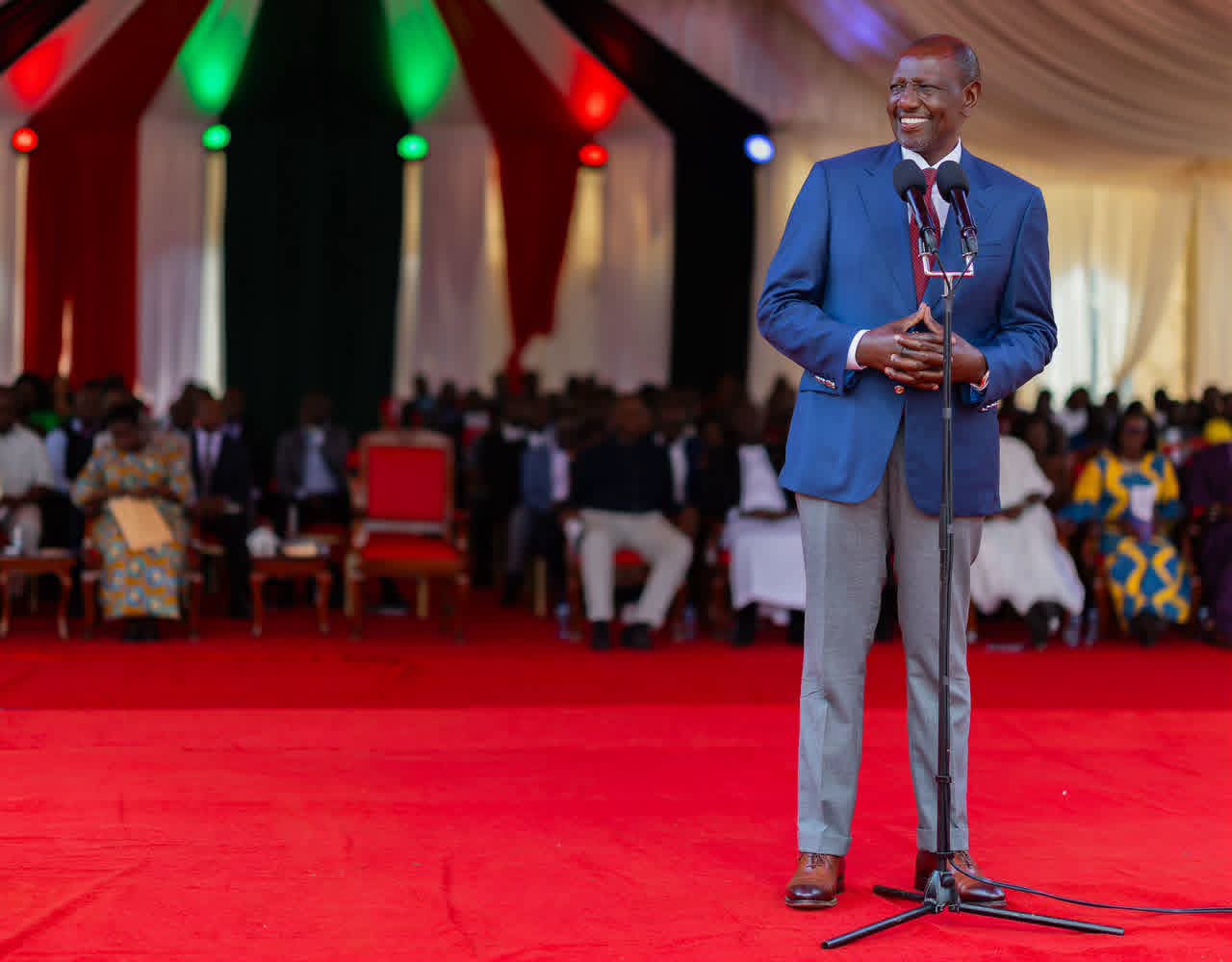
One of the biggest differences between the two leaders is the nature of their campaigns. Ruto's public engagements frequently combine official government functions with political mobilisation, allowing him to showcase ongoing development projects while simultaneously strengthening support for his administration.
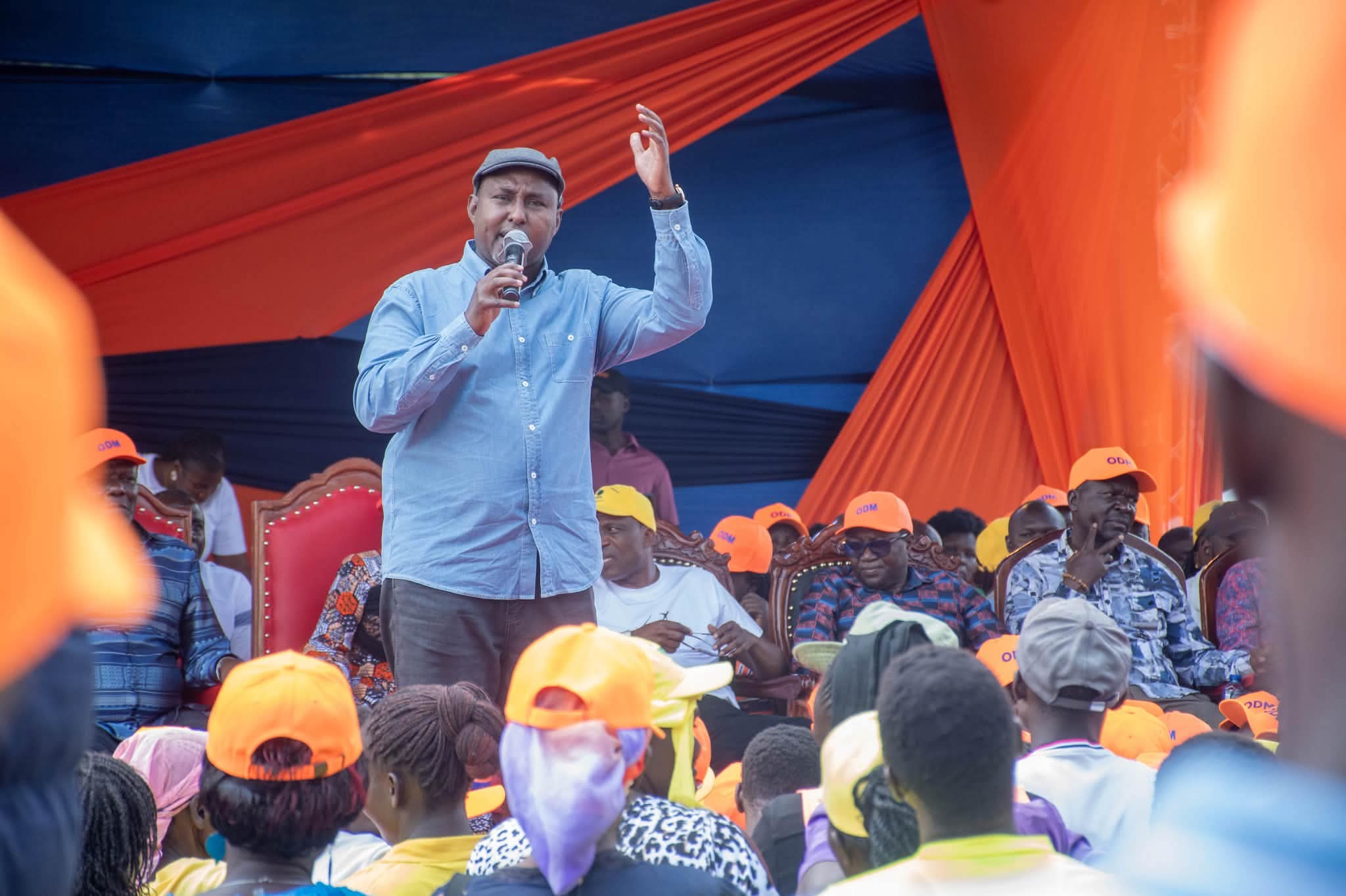
Sifuna's campaign approach has largely focused on grassroots mobilisation. His meetings have centred on engaging ordinary citizens, highlighting economic challenges, advocating for democratic reforms and encouraging greater public participation in governance through the opposition's Linda Mwananchi movement.
Another major distinction lies in access to resources. As the sitting President, Ruto commands the machinery of government within the limits of the Constitution, including ministries and national agencies responsible for implementing public programmes. These institutions regularly provide platforms for communicating government achievements.
Sifuna, on the other hand, operates without the advantages of state resources. His political activities depend on opposition party structures, volunteers, supporters and allied leaders who organise public meetings and mobilisation campaigns across different counties.
Communication has become one of Sifuna's strongest political assets. His frequent appearances in Parliament, television interviews and political rallies have earned him recognition as one of the opposition's most vocal communicators, particularly among younger voters.
Ruto's political communication focuses primarily on defending his administration's record. His speeches frequently highlight affordable housing, agricultural reforms, infrastructure development, universal healthcare, digital transformation and other flagship government programmes.
Another important difference is organisational structure. Ruto benefits from an already established national political coalition under Kenya Kwanza, bringing together elected leaders, Members of Parliament, governors and county officials who actively campaign for the administration.
Sifuna's political influence continues to grow within the opposition, but the coalition has yet to formally settle on a single presidential candidate. Opposition leaders have repeatedly stated that unity will be critical if they are to mount a serious challenge in 2027.
Coalition politics is expected to play a decisive role in the election. Kenya's recent electoral history demonstrates that broad regional alliances often determine presidential outcomes more than individual popularity alone.
Ruto also possesses the constitutional powers of an incumbent President. These include appointing Cabinet Secretaries, assenting to legislation passed by Parliament, directing government policy and representing Kenya in regional and international affairs.
By contrast, Sifuna's constitutional authority comes from his position as Nairobi Senator. His responsibilities include legislation, oversight and representation in the Senate, alongside his organisational duties within ODM as Secretary-General.
The two leaders also differ in their campaign messaging. Ruto presents himself as a leader focused on completing ongoing development projects and implementing his Bottom-Up Economic Transformation Agenda, urging voters to judge his administration based on performance.
Sifuna has consistently framed his political message around accountability, economic hardship, youth unemployment, transparency and the rising cost of living. He argues that stronger oversight and reforms are necessary to improve governance.
Public rallies have become an important feature of Sifuna's growing national profile. His tours across several regions have attracted large crowds and increased his visibility beyond his traditional political base, although rally attendance alone does not necessarily translate into votes during a general election.
Ruto, meanwhile, enjoys the advantage of nationwide administrative visibility. His official duties require frequent visits to counties where he launches projects, meets local leaders and interacts with residents, giving him regular opportunities to engage the electorate.
Despite growing speculation, Sifuna has not officially declared a presidential bid. Opposition leaders continue to emphasise the need to first agree on a united candidate capable of attracting support across Kenya's diverse political and regional landscape.
As the 2027 General Election approaches, the contrast between the two leaders is becoming clearer. Ruto's campaign is anchored on incumbency, executive authority and the record of his administration, while Sifuna's growing influence is driven by grassroots mobilisation, opposition messaging and his increasing prominence as one of the coalition's leading national voices.
Tags: Editor's Pick Edwin Watenya Sifuna Linda Mwananchi ODM-UDA Pact One Term One term Sifuna Signs Signs Media Signs Media Kenya Limited Signs Tv Signsmedia Signst Signstv SignsTV Signstvkenya Signsv Ssignstv Tutam Two Term Uda UDA Uda Party William Ruto William Samoei Ruto WSR
Share this article

FELIX MAKONA
FACT FINDER AND DATA DRIVEN JOURNALIST. DATA MINING AT IT'S BEST. GET FACTS RANGING FROM MATTERS DISABILITY AND INCLUSION, POLITICS, ECONOMY, SPORTS AND GENERAL NEWS AROUND THE WORLD