

Oxford Ebola Vaccine Becomes First Candidate To Enter Human Clinical Trials
Health Updated: 14 July 2026 14:43 EAT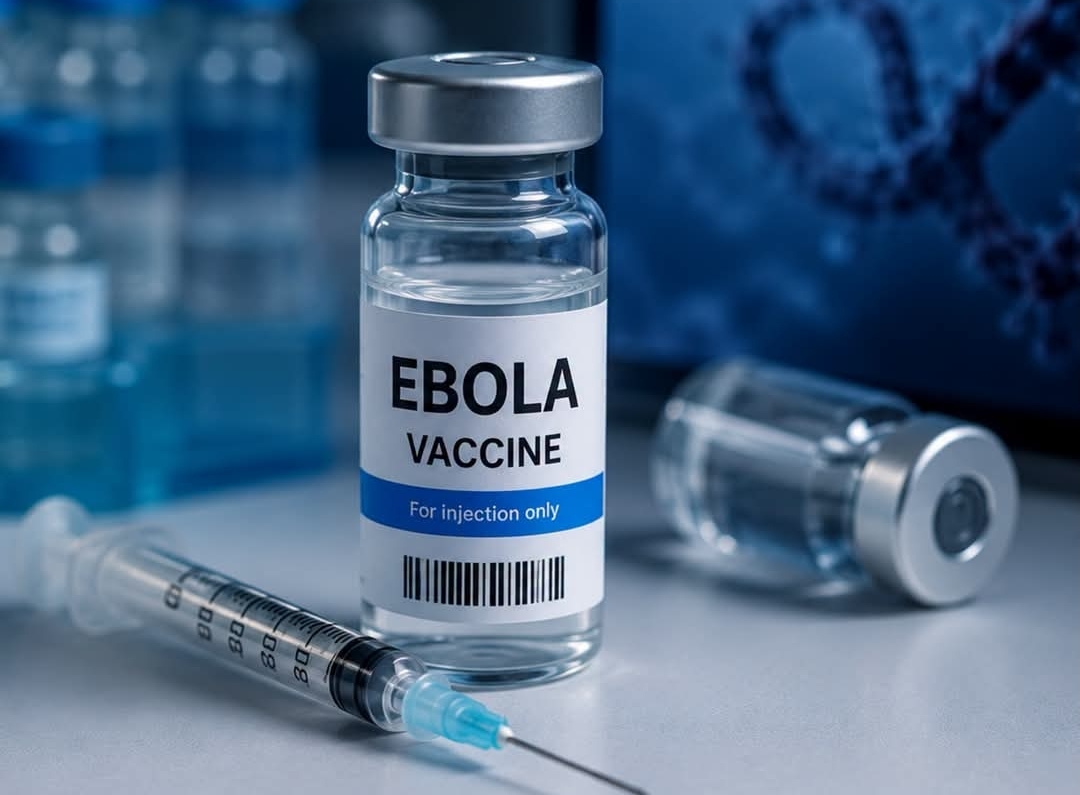
Photo courtesy
A new Ebola vaccine developed by scientists at the University of Oxford has become the first of four candidate vaccines targeting the Bundibugyo strain of the virus to enter human clinical trials after receiving regulatory approval. The milestone marks a significant step in the global response to the ongoing Ebola outbreak in the Democratic Republic of the Congo (DRC) and neighbouring Uganda, where health authorities continue efforts to contain the spread of the disease.
The vaccine, known as ChAdOx1 BDBV, has been designed specifically to protect against the Bundibugyo ebolavirus, one of the less common but potentially deadly species of the Ebola virus. Unlike the Zaire strain, which already has licensed vaccines, there is currently no approved vaccine for the Bundibugyo strain.
The Phase I clinical trial, named BD-Ebov, will assess the vaccine's safety and its ability to generate an immune response in healthy adults. Researchers plan to recruit 50 volunteers aged between 18 and 55 years from across the United Kingdom for the first stage of testing.
Volunteer recruitment is already underway, with participants expected to receive the first doses within weeks following regulatory approval. Researchers will closely monitor participants over several months to evaluate the vaccine's safety profile and immune response.
The Oxford vaccine uses the ChAdOx1 adenoviral vector platform, the same technology that was successfully used in the Oxford-AstraZeneca COVID-19 vaccine. Scientists adapted the platform to target the Bundibugyo Ebola virus in an effort to accelerate vaccine development during the current outbreak.
The vaccine is one of four experimental candidates being advanced through international collaboration to address the Bundibugyo Ebola outbreak. It is the first candidate to receive regulatory clearance and begin testing in humans.
The project has received financial support from the Coalition for Epidemic Preparedness Innovations (CEPI), which is funding the rapid development and early clinical evaluation of the vaccine as part of broader efforts to improve global outbreak preparedness.
Researchers say the trial is intended to provide the first evidence on whether the vaccine is safe and capable of stimulating protective immunity. Positive results would pave the way for larger trials in outbreak settings where vaccine effectiveness can be assessed.
The Bundibugyo strain was first identified in Uganda in 2007 and has since caused several outbreaks in East and Central Africa. Although less common than the Zaire strain, it carries a high fatality rate and remains a significant public health threat because there are no licensed vaccines or targeted treatments.
The ongoing outbreak in the DRC has spread into neighbouring Uganda, prompting coordinated action by national health authorities, the World Health Organization and international research partners to strengthen surveillance, patient care and vaccine development.
Scientists involved in the project say the rapid transition from vaccine development to human trials reflects advances made during the COVID-19 pandemic, when vaccine platforms and regulatory processes were accelerated without compromising safety standards.
If the Phase I trial demonstrates that the vaccine is safe and produces a strong immune response, researchers expect it to progress to larger clinical studies in regions experiencing Ebola outbreaks to determine its effectiveness in preventing infection.
Tags: Ebola Ebola Outbreak Edit Editor's Pick Editors choice Health Ministry Of Health Signs Signs Media Kenya Limited Signs Tv Signsmedia Signst Signstv Signstvkenya



Share this article

FELIX MAKONA
FACT FINDER AND DATA DRIVEN JOURNALIST. DATA MINING AT IT'S BEST. GET FACTS RANGING FROM MATTERS DISABILITY AND INCLUSION, POLITICS, ECONOMY, SPORTS AND GENERAL NEWS AROUND THE WORLD