
This Thursday on the Signs Breakfast Show, host Alan Herbert steered the conversation towards the critical intersection of personal finance, investment, and inclusivity. As always, the show offered the best tips for achieving financial discipline and smart saving.
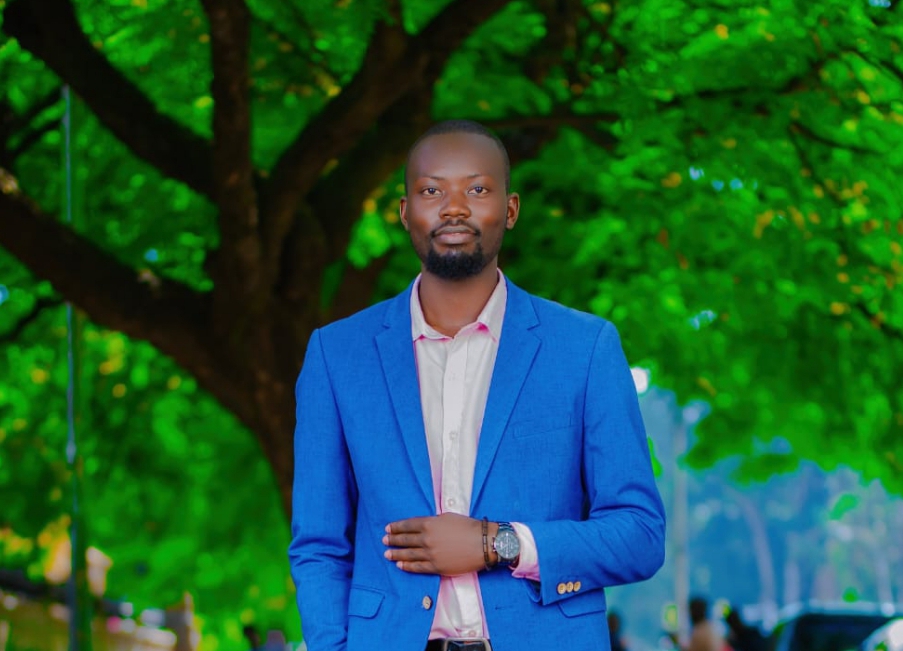
Gracing the studio was Alphonse Okoth, a financial expert and accountant at Signs Media Kenya (SMKL), an institution recognized for championing the hiring of PWDs and setting a strong example.
The financially literate professional provided insights into tax savings and investment strategies for Persons With Disabilities (PWDs), highlighting key government incentives, particularly the tax exemptions, designed to alleviate the financial burden on PWDs.
He strongly urged eligible PWDs to actively benefit from these provisions, emphasizing that this is a critical tool for improving daily lives and savings.
According to Mr. Okoth, eligibility is straightforward: "For as long as you are registered with the National Council for Persons with Disabilities (NCPWD), you are eligible."
He noted that the registration procedure itself is easy, and following the right criteria is essential to start benefiting immediately.
The conversation stretched further to the popular personal finance frameworks, specifically the often-cited 40-30-20 budgeting rule, hailed as the universal path to financial freedom.
But is it actually realistic for everyone? Mr. Okoth states that this popular strategy might not be realistic for everyone, particularly those facing unique financial constraints, including PWDs.
He argues that a standardized budget fails to account for diverse income levels, regional cost-of-living differences, or higher necessary expenses (like medical costs or specialized transport).
The expert's core advice for financial success remains simple yet powerful: "Track your expenses." Understanding precisely where your money goes is the most crucial step toward achieving tailored saving and investment goals.
Mr. Okoth addressed the critical issue of disability inclusion in the workplace, stressing that the conversation must shift from mere hiring targets to financial commitment.
While Human Resources (HR) advises and manages recruitment, the true benchmark of an inclusive institution is set by the Finance Office.
Mr. Okoth asserts that advocacy must highlight the financial adjustments necessary for true accessibility, such as creating a dedicated budget for ramps for wheelchair users, allocating funds for sign language interpreters, and investing in Braille and specialized technology.
He concluded with a powerful message for corporate institutions: "Disability inclusion begins at the finance offices." Institutions must recognize this fundamental truth as they strive to make their environments genuinely accessible and supportive.
Do you follow a fixed budget rule, or do you track your expenses? Watch this conversation on https://youtu.be/u-wXA7WpEy8 and https://www.facebook.com/share/r/1GevNbRYeP/ and upgrade your financial knowledge.
Tags: Money Signs Media Kenya Limited Editor's Pick Signstvkenya Matters Disability Pwds

Share this article
Selestine Nyongesa
Experienced and versatile writer, dedicated to using my exceptional writing and editing skills to inform and advocate. My work focuses on educating and entertaining readers on a range of topics, with a particular expertise in matters of disability.