

Joseph “Le Grand Kallé” Kabasele: Life and Legacy
Entertainment Updated: 07 February 2026 11:13 EAT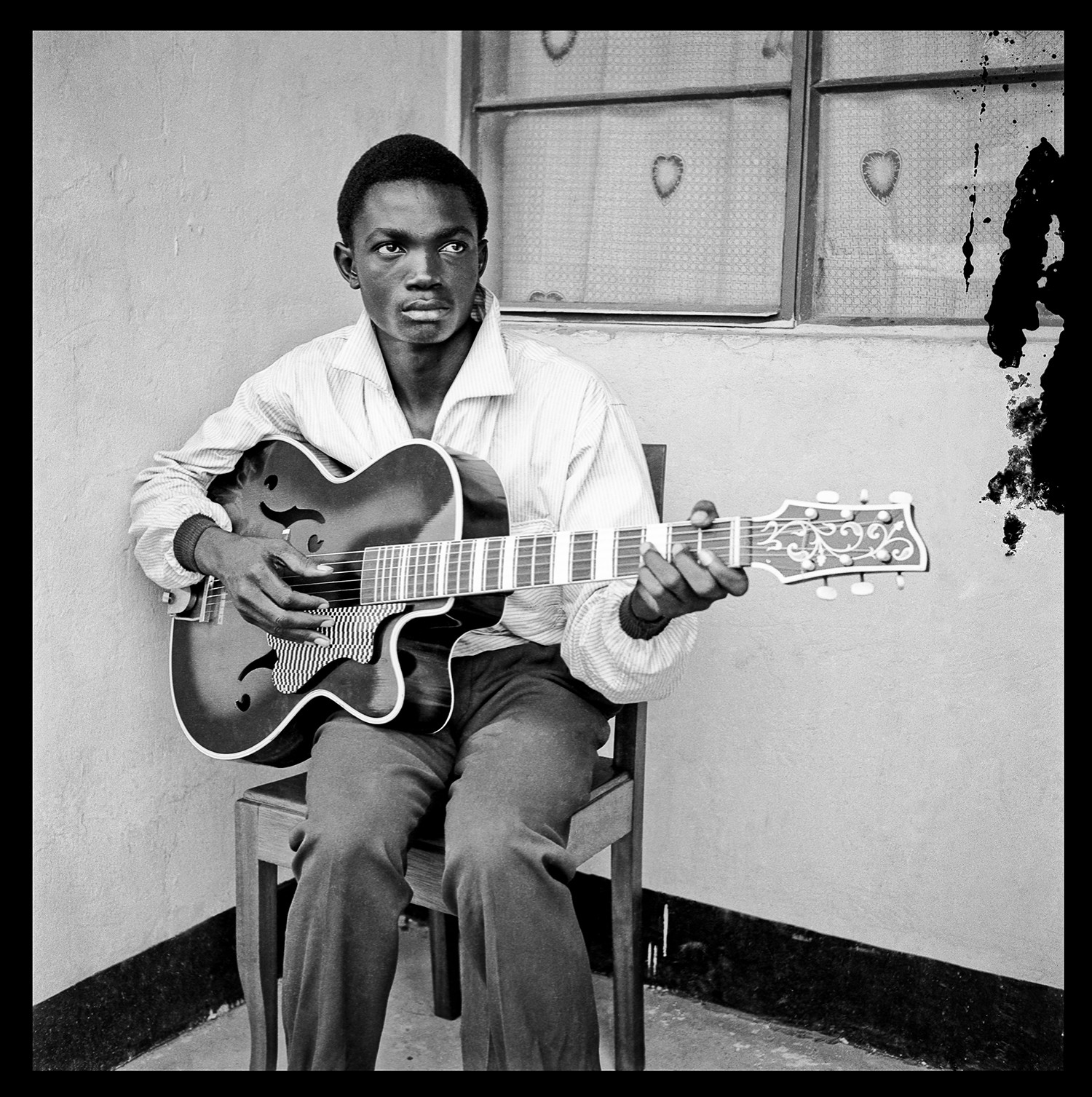
Joseph Kabasele, popularly known as Le Grand Kallé
Joseph “Le Grand Kallé” Kabasele was born on December 16, 1930, in Matadi, in the former Belgian Congo, now the Democratic Republic of Congo. His early life unfolded under colonial rule, a context that later influenced his music and worldview.
He grew up exposed to church hymns, traditional Congolese sounds, and imported Afro-Cuban records that circulated widely in Central Africa during the 1940s.
Before becoming a full-time musician, Kabasele worked as a clerk, reflecting the limited professional opportunities available to educated Congolese at the time.
His passion for music eventually led him to leave formal employment and pursue a career in performance and composition.
In 1953, he founded the band L’African Jazz, which would become one of the most influential musical groups in African history.
The band developed a distinctive sound by blending Congolese rhythms with Cuban rumba, son, and elements of jazz.
This fusion helped shape what later became known globally as Congolese rumba.
Kabasele earned the title “Le Grand Kallé” due to his leadership qualities, commanding stage presence, and refined artistic style.
He was among the first Congolese musicians to record extensively under European-owned record labels.
His recordings helped introduce African popular music to international audiences during the 1950s.
Most of his songs were sung in Lingala, with occasional French and Kikongo, allowing his music to cross ethnic and national boundaries.
L’African Jazz served as a training ground for future stars, including Tabu Ley Rochereau and Dr Nico Kasanda.
These artists later became major figures in African music after leaving the band.
In 1960, Le Grand Kallé traveled with his band to Brussels for the Congolese Round Table Conference.
While in Belgium, he composed and recorded the historic song “Indépendance Cha Cha.”
The song celebrated African unity and marked the political liberation of Congo and other African nations.
“Indépendance Cha Cha” became an anthem played across Africa during independence celebrations.
It uniquely mentioned political leaders by name, reflecting the optimism of the independence era.
Beyond music, Le Grand Kallé acted as a cultural ambassador for the Congo.
Throughout the 1960s, his band toured Africa and Europe, strengthening the global presence of African music.
He advocated for professionalism and respect for musicians within the entertainment industry.
Kabasele was known for his elegant fashion, often wearing tailored suits that symbolized modern African identity.
As musical trends changed in the late 1960s, newer styles emerged, but his influence remained strong.
He continued mentoring younger musicians and contributing to cultural life.
Joseph Le Grand Kallé Kabasele died on February 11, 1983, in Kinshasa, leaving a lasting legacy as a pioneer of modern African music.
Tags: Article Editor's Pick Entertainment Signs Media Kenya Limited Signsmedia Signstvkenya



Share this article

FELIX MAKONA
FACT FINDER AND DATA DRIVEN JOURNALIST. DATA MINING AT IT'S BEST. GET FACTS RANGING FROM MATTERS DISABILITY AND INCLUSION, POLITICS, ECONOMY, SPORTS AND GENERAL NEWS AROUND THE WORLD