

El Mencho: The Ruthless Rise of CJNG’s Most Wanted Kingpin
News Updated: 24 February 2026 17:22 EAT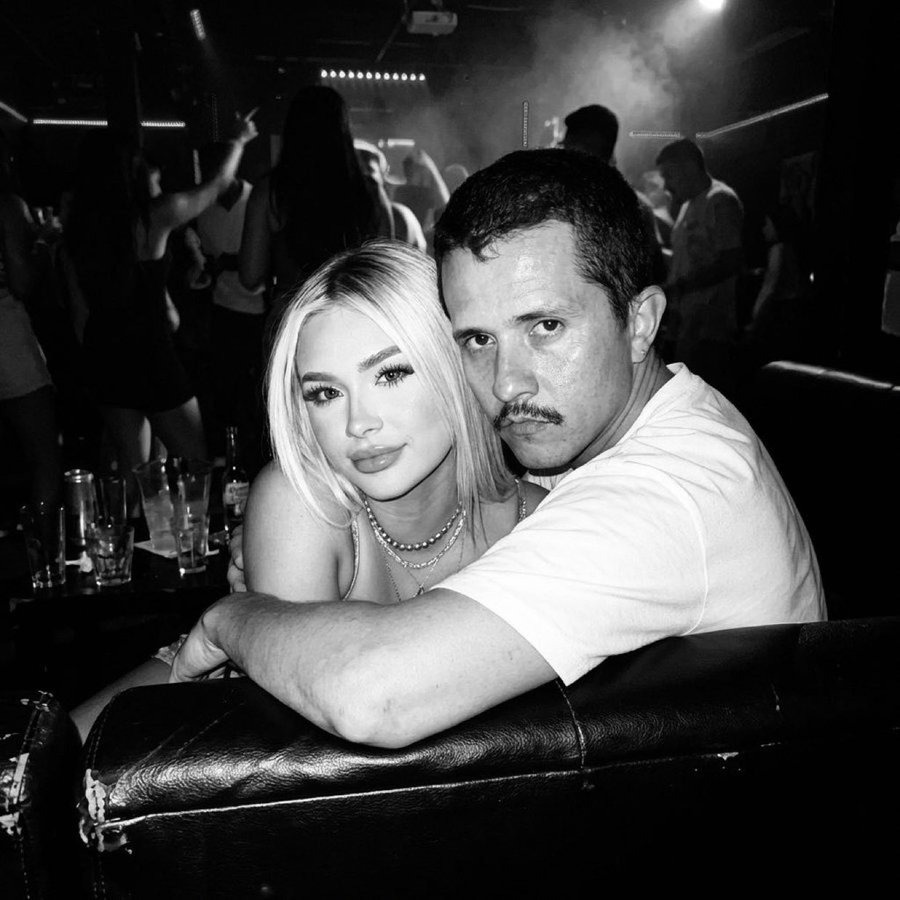
World's Most wanted person, El Mencho was snitched on by an only fans model before being killed
Nemesio Rubén Oseguera Cervantes, widely known as El Mencho, was born on July 17, 1966, in Aguililla, a small town in Michoacán, Mexico. Raised in a rural farming community, his early life was shaped by poverty and limited opportunity, conditions common in parts of western Mexico during that period.
As a young man, he reportedly migrated to the United States in search of work. During his time there, he was arrested in California on drug-related charges in the early 1990s. After serving a prison sentence, he was deported back to Mexico, a turning point that would precede his deeper involvement in organized crime.
Upon returning to Mexico, Oseguera became associated with the Milenio Cartel, a criminal organization operating in Jalisco and neighboring states. Within the group, he steadily rose through the ranks as internal divisions and law enforcement crackdowns weakened its leadership.
Around 2009–2010, following the fragmentation of the Milenio Cartel, Oseguera helped establish what would become the Jalisco New Generation Cartel (CJNG). Initially formed as an armed faction to combat rivals, CJNG quickly distinguished itself through aggressive tactics and rapid territorial expansion.
Under his leadership, CJNG grew into one of the most powerful drug trafficking organizations in Mexico. The cartel expanded operations across numerous states, including Jalisco, Michoacán, Guanajuato, and Veracruz, challenging established criminal networks.
Authorities in Mexico and the United States allege that CJNG became a major trafficker of methamphetamine, cocaine, heroin, and fentanyl. The organization developed sophisticated production and distribution systems, enabling it to move narcotics across borders at large scale.
The U.S. Drug Enforcement Administration identified El Mencho as one of its top international fugitives. The U.S. government issued multiple indictments against him, accusing him of drug trafficking conspiracy and firearms violations, and offered a multimillion-dollar reward for information leading to his arrest.
CJNG gained global attention for its militarized image. Videos released online showed heavily armed members in tactical gear, showcasing armored vehicles and high-powered weapons. This strategy projected strength and intimidation toward both rivals and state forces.
In May 2015, cartel gunmen shot down a Mexican military helicopter during an operation in Jalisco. The incident underscored the cartel’s firepower and marked one of the most dramatic confrontations between organized crime and Mexican security forces in recent years.
Despite sustained efforts by Mexican authorities to capture him, El Mencho managed to evade arrest. Large-scale raids and intelligence operations repeatedly targeted CJNG strongholds, yet he remained elusive.
Members of his family also faced legal consequences. His son, Rubén Oseguera González, known as “El Menchito,” was extradited to the United States and convicted on drug trafficking charges. His daughter, Jessica Johanna Oseguera González, pleaded guilty to financial offenses linked to cartel activities.
Security analysts describe Oseguera as highly secretive, rarely appearing in public and relying on trusted inner circles to relay commands. This decentralized structure allowed CJNG to operate across multiple regions without depending solely on his visible presence.
As CJNG expanded, it became embroiled in violent turf wars with rival cartels. Clashes in several Mexican states contributed to rising homicide rates and intensified instability in contested territories.
Internationally, CJNG was designated by U.S. authorities as a major transnational criminal organization. Officials linked its operations to the flow of synthetic opioids, particularly fentanyl, into the United States.
Observers note that CJNG’s rapid rise reflected shifts in Mexico’s criminal landscape, where newer, more aggressive groups challenged older cartels for dominance. El Mencho’s leadership style was often characterized as forceful and uncompromising.
Though information about his movements remains limited, intelligence reports suggest he relied on rural strongholds and complex security measures to avoid detection. His ability to remain at large for years elevated his status as one of the world’s most wanted figures.
The story of El Mencho is intertwined with Mexico’s broader struggle against organized crime. His ascent mirrored the fragmentation of older cartels and the emergence of highly adaptable, network-based criminal enterprises.
Law enforcement agencies continue to pursue CJNG leadership through coordinated efforts between Mexico and the United States. Arrests of high-ranking members have sought to weaken the organization’s operational structure.
El Mencho’s legacy, as described by authorities and analysts, is defined by the expansion of one of Mexico’s most powerful cartels and the escalation of violence linked to territorial control and drug trafficking routes.
Today, his name remains associated with the global fight against narcotics trafficking, representing both the resilience of organized crime networks and the ongoing efforts by governments to dismantle them.
Tags: Article Editor's Pick Signs Media Kenya Limited Signsmedia Signstvkenya


Share this article

FELIX MAKONA
FACT FINDER AND DATA DRIVEN JOURNALIST. DATA MINING AT IT'S BEST. GET FACTS RANGING FROM MATTERS DISABILITY AND INCLUSION, POLITICS, ECONOMY, SPORTS AND GENERAL NEWS AROUND THE WORLD