

Théo Blaise Kounkou: The Legendary Voice of Congolese Rumba
Entertainment Updated: 02 February 2026 20:09 EAT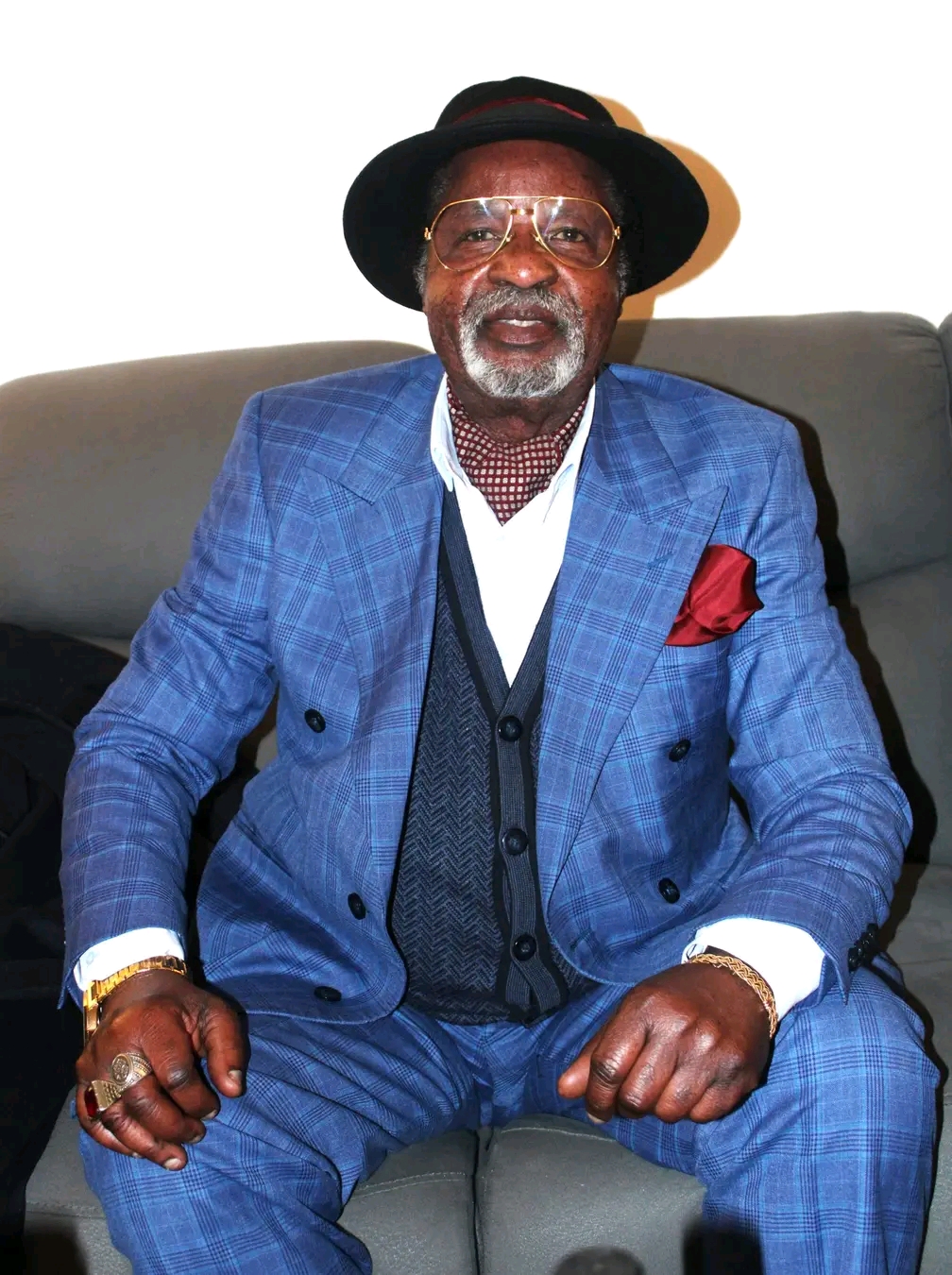
Theo Blaise kounkou is among the best Rhumba artists
Théo Blaise Kounkou, known by his initials TBK, has long been celebrated as one of the most iconic figures in African music.
Born on 24 April 1950 in the historic district of Poto-Poto, Brazzaville, Kounkou showed an early passion for music.
From a young age, he joined Catholic church choirs, where he began developing his vocal skills and understanding of harmony.
His early exposure to church music helped shape his musical foundation and fostered a love for performance.
As he grew older, Kounkou expanded his horizons, joining local vocal groups and performing at community events.
His talent soon caught the attention of musicians in Kinshasa, where he moved to pursue a professional music career.
In Kinshasa, Kounkou performed with several orchestras, refining his guitar skills and mastering the art of songwriting.
By the mid-1970s, his reputation as a skilled vocalist and musician began to spread across Central Africa.
In 1974, he recorded his first successful single, “Amen Ledy,” which marked the beginning of his recording career.
Following this, Kounkou moved to Benin and joined the famed Orchestre Poly-Rythmo de Cotonou, contributing to several albums.
His work with the orchestra brought him regional recognition and opened doors for international collaborations.
In 1977, he performed at the Festac ’77 Pan-African Festival in Lagos, a major cultural event that celebrated African music and art.
Kounkou’s journey continued in Abidjan, Côte d’Ivoire, where he co-founded the group African All Stars alongside Sam Mangwana.
The group became known for blending Congolese rumba with Afro-pop and disco elements, attracting audiences across Africa.
During the 1980s, Kounkou produced hits such as “Zenaba” that solidified his reputation as a leading artist.
He eventually moved to Paris, where he expanded his musical reach to European audiences.
In France, he sang in both French and Lingala, bridging cultural and linguistic gaps through his music.
Songs like “Eden” and “Mwana Djambala” became instant classics, celebrated for their rhythm and lyrical depth.
Other notable hits include “Belle Amicha,” “Nadia Soleil,” “Bibelo,” and “Ça c’est la vie.”
His compositions are considered essential pieces of the Congolese rumba repertoire, often covered by younger artists.
Kounkou’s influence extends beyond performance; he has been a mentor to emerging musicians, passing on traditional techniques.
He is widely recognized for his role in modernizing Congolese rumba while preserving its cultural roots.
Throughout his career, Kounkou performed internationally, gaining acclaim in Africa, Europe, and beyond.
In 2018, a special concert in Paris revisited his classic works, highlighting his lasting influence on music enthusiasts.
Kounkou’s songs have been adopted in celebrations and events, reflecting their enduring cultural relevance.
He has trained in musical arrangement and production, giving him a technical edge in his compositions.
His mentorship has helped ensure that Congolese rumba continues to thrive among new generations.
Kounkou’s artistry is a blend of traditional rhythms, soulful vocals, and contemporary innovation.
Today, he is celebrated not only as a performer but also as a cultural icon of the Republic of Congo.
His life and music continue to inspire countless artists, keeping the spirit of African rumba alive.
Théo Blaise Kounkou’s legacy stands as a testament to the power of music in uniting people and preserving cultural heritage.
Tags: Signs Media Kenya Limited Signsmedia Entertainment Signstv Signstvkenya
Share this article

FELIX MAKONA
FACT FINDER AND DATA DRIVEN JOURNALIST. DATA MINING AT IT'S BEST. GET FACTS RANGING FROM MATTERS DISABILITY AND INCLUSION, POLITICS, ECONOMY, SPORTS AND GENERAL NEWS AROUND THE WORLD