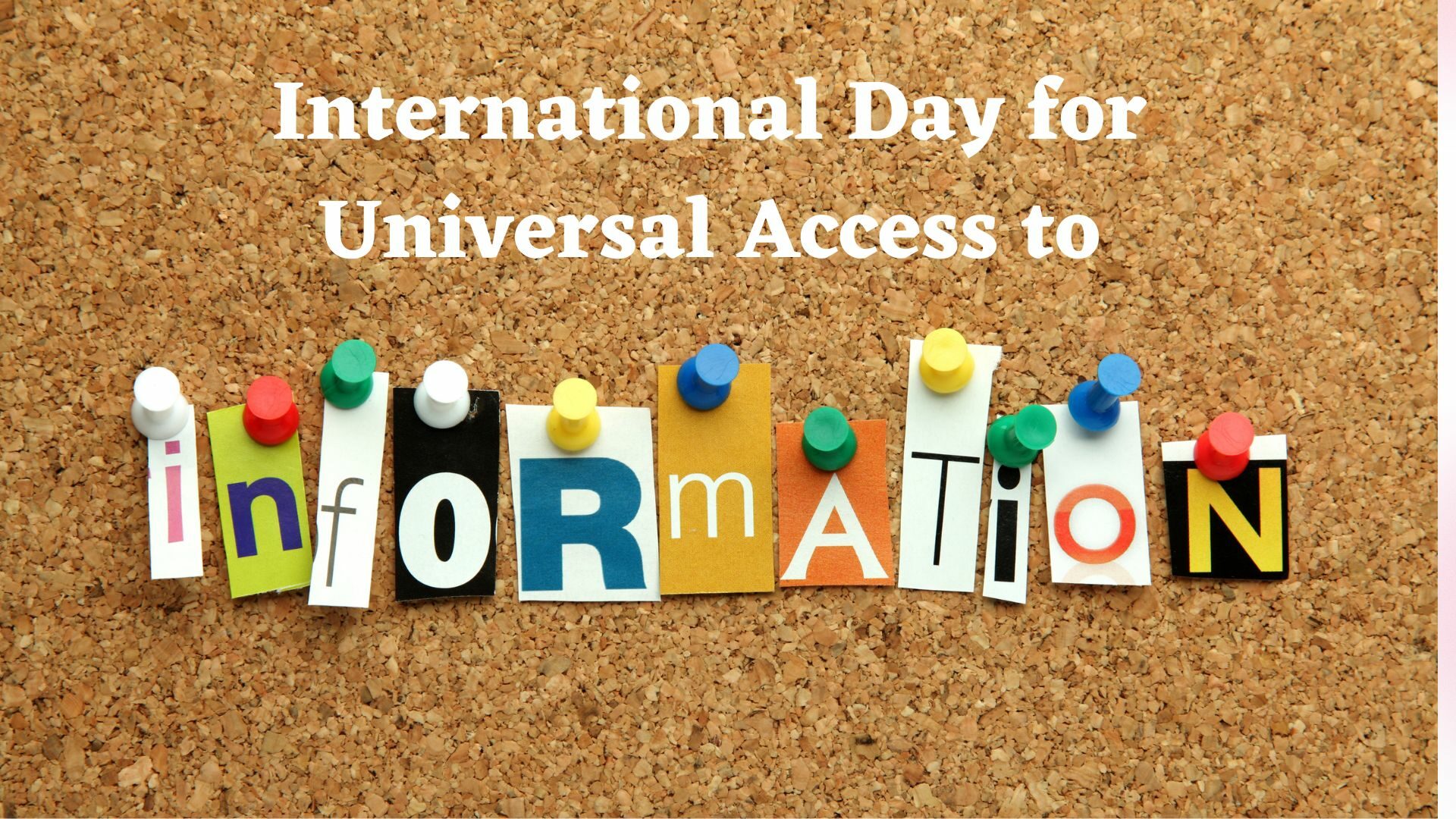
It's not enough for information to simply exist; it must be usable by everyone. To achieve this universal access, particularly for persons with disabilities, the International Day for Universal Access to Information serves as a critical reminder to raise awareness about digital accessibility.
This calls for concerted efforts in building websites, apps, and digital documents that are seamlessly accessible to users relying on screen readers, those with hearing disabilities, and people facing cognitive challenges.
We tend to associate the word "disability" with readily visible aids, such as a wheelchair or a white cane. This focus overlooks the reality that disability is a broad spectrum that includes physical, sensory, cognitive, and psychological conditions. Widening our understanding of this diversity is the crucial first step toward building a truly inclusive online world.
According to the World Health Organization, globally, approximately 1.3 billion people, roughly 16% of the world's population, live with some form of disability.
Each category of disability presents unique challenges to interacting with the web, making inclusive design essential.
Visual disability (ranging from color blindness to complete loss of sight) requires well-structured content for screen readers. Auditory disability necessitates captions or transcripts for multimedia.
Motor disability (like arthritis or spinal cord injuries) requires keyboard-only navigation and alternatives to precise mouse movements. Finally, Cognitive disability (including dyslexia, ADHD, and autism) demands simple language, predictable layouts, and clear instructions to aid memory and comprehension.
When websites and apps are intentionally designed to be accessible, they empower people with disabilities to engage with the online world completely and independently.
This translates into tangible benefits: Autonomy and independence, allowing users to complete everyday tasks like shopping or job applications without assistance.
It ensures equal access to information, making the internet a truly comprehensive source of news and education for all.
Tags: International Day for Universal Access to Information WHO Editor's Pick Signstvkenya


Share this article

Selestine Nyongesa
Experienced and versatile writer, dedicated to using my exceptional writing and editing skills to inform and advocate. My work focuses on educating and entertaining readers on a range of topics, with a particular expertise in matters of disability.