Our brains rely on a constant flow of information to make sense of the world, shaping everything from our personal perceptions to our collective beliefs and attitudes.
This information, whether we get it from a newspaper, a TV broadcast, a library, or the internet, determines the quality of our engagement with society.
While access to communication has increased, this wealth of content has created a dual challenge: some people are starved for information, while others are overwhelmed, or flooded, with it.
For the disability community, this challenge is acutely felt, as inaccessible platforms often block them from participating, while unchecked content frequently misrepresents or stigmatizes them.
This is where Media and Information Literacy (MIL) steps in. MIL isn't just a technical skill; it's a social tool that empowers individuals to understand the stakes of the modern information environment and to fully contribute to and benefit from communication opportunities.
For a person with a disability, MIL provides the critical answers to essential, everyday questions: How do I efficiently search for accessible content using assistive technology?
How can I critically assess the torrent of online information for bias or inaccurate stereotypes about my condition? How do I ensure my right to freedom of expression is met when platforms aren't designed for me to contribute my own story?
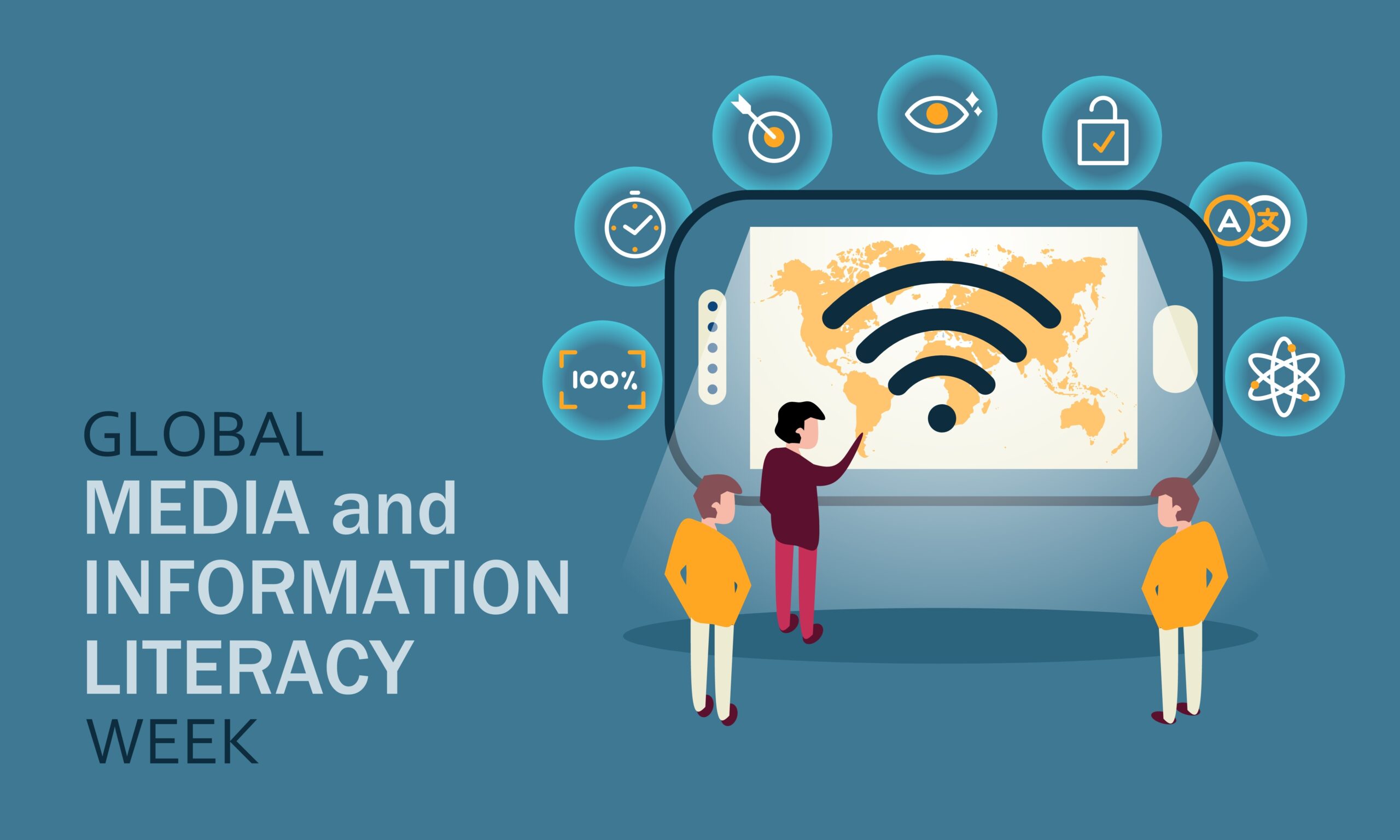
The annual Global Media and Information Literacy Week serves as a vital platform for action, challenging stakeholders to celebrate progress while identifying gaps toward achieving "MIL for All."
By deliberately centering the needs of Persons with disabilities, we acknowledge that digital exclusion is a major barrier to human rights.
MIL equips everyone with the knowledge to demand accessibility, promote the ethical use of information, and leverage technology to advance equality, peace, and cross-cultural dialogue.
Ultimately, making MIL inclusive ensures that information is a force for dignity and empowerment, rather than a source of marginalization, for every member of society.
Tags: Global Media and Information Literacy Week Pwds United Nations Editor's Pick
Share this article
Selestine Nyongesa
Experienced and versatile writer, dedicated to using my exceptional writing and editing skills to inform and advocate. My work focuses on educating and entertaining readers on a range of topics, with a particular expertise in matters of disability.