

Kenyan Doctors Approve Injectable PrEP Push, Stress Routine Testing and Monitoring
Health Updated: 26 February 2026 14:43 EAT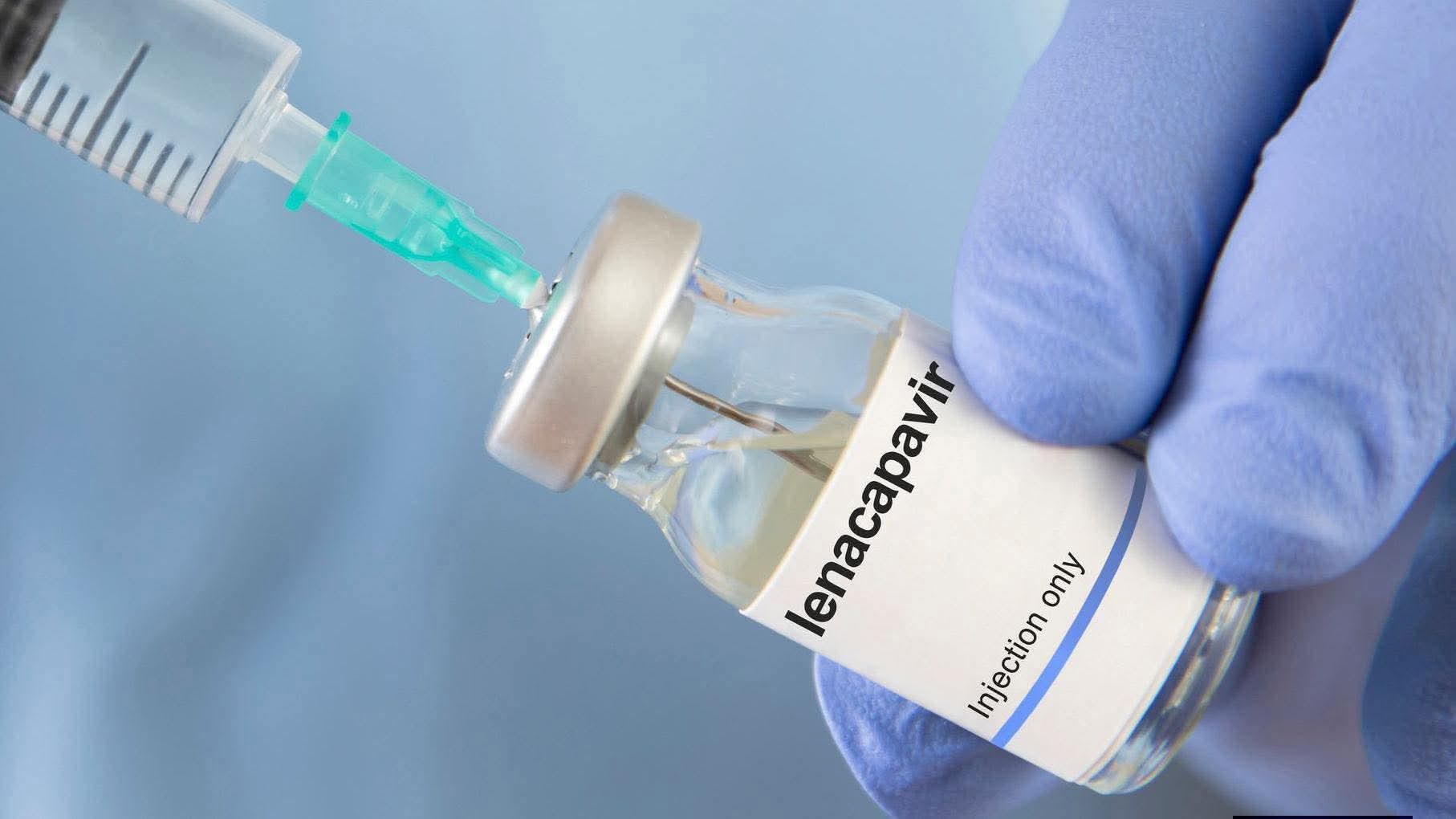
The Kenya Medical Association has endorsed the national introduction of long-acting HIV prevention injectables, describing the move as a significant milestone in strengthening the country’s HIV response. The association, however, called for strict safeguards to ensure the rollout is safe, sustainable and integrated within existing prevention frameworks.
The injectable, known as Lenacapavir, is administered twice a year and is designed for HIV-negative individuals at substantial risk of infection. It expands options beyond daily oral pre-exposure prophylaxis and is expected to improve adherence among users who struggle with taking pills consistently.
KMA emphasised that routine and accurate HIV testing must remain central to the programme. The association advised that every injection be preceded by confirmed HIV-negative status through approved testing methods, including rapid diagnostic tests and self-testing kits.
The doctors’ body also urged the strengthening of pharmacovigilance and national surveillance systems to monitor safety outcomes, possible breakthrough infections and the emergence of drug resistance. Particular attention, it said, should be given to vulnerable populations, including pregnant women.
Healthcare providers were advised to carefully review patients’ medical histories to identify potential drug interactions before administering the injectable. Certain medications used in tuberculosis treatment, epilepsy and other chronic conditions may interfere with the effectiveness of the drug.
Beyond the clinical safeguards, KMA stressed that the injection should not be viewed as a standalone solution. It called for continued promotion of combination prevention strategies such as condom use, screening and treatment of sexually transmitted infections, behavioural interventions and hepatitis vaccination.
The association further raised concerns about the sustainability of financing for the programme. Kenya’s HIV response has historically relied heavily on donor funding, and KMA warned that long-term success would require stronger domestic resource mobilisation and budgetary planning.
KMA urged the Ministry of Health to embed the injectable within national HIV financing structures and procurement systems to prevent stock-outs and ensure equitable access across counties.
The government has begun a phased rollout targeting counties with higher HIV burden before expanding to the rest of the country. Initial consignments have already been distributed to selected health facilities as part of the early implementation phase.
Public and private health facilities are expected to participate in the rollout to widen access and reduce pressure on public hospitals. Training of healthcare workers is also underway to ensure proper administration and monitoring.
The endorsement by KMA adds professional backing to the government’s latest prevention strategy at a time when Kenya continues to pursue ambitious targets in reducing new HIV infections.
Health stakeholders say that if implemented with strong oversight, adequate funding and consistent testing, the long-acting injectable could significantly reshape HIV prevention efforts nationwide.
Tags:

Share this article

FELIX MAKONA
FACT FINDER AND DATA DRIVEN JOURNALIST. DATA MINING AT IT'S BEST. GET FACTS RANGING FROM MATTERS DISABILITY AND INCLUSION, POLITICS, ECONOMY, SPORTS AND GENERAL NEWS AROUND THE WORLD